In this interview, industry expert Trevor Tillman explains how CCUS (carbon capture, usage/utilization, and storage) works, and why CO2 purity monitoring is key to building confidence across the value chain.
To start, can you give us an overview of CCUS and why it is considered an important tool for industrial decarbonization?
CCUS is gaining momentum because it provides industrial facilities with a way to offset their existing greenhouse gas emissions. Much of this is driven by government programs, such as the Emissions Trading System in Europe, as well as greenhouse gas regulations affecting power plants in the United States.
It is also being driven by corporate sustainability goals. Many companies are setting greenhouse gas reduction targets, which creates a market for CCUS.
For example, organizations can purchase carbon credits from companies that are actively offsetting emissions or operating at a net-negative carbon dioxide output. This means they can reduce their overall emissions impact while they continue to adapt or modify their existing production processes over time.
Why is it more accurate to think of CCUS as a full value chain rather than just carbon capture?
Capturing CO2 is only the first step. Once captured, it needs to be transported and either used in another process or stored permanently. That is why CCUS should be seen as a connected value chain.
On the usage side, captured CO2 can be used to make viable products, such as chemicals, e-fuels, precursors for industrial materials, clean concrete, and beverage-grade CO2. On the storage side, it can be stored underground in depleted oil wells or saline aquifers, or used for enhanced oil recovery.
Across the whole value chain, analytical technology plays an important role. It can be used to quantify emissions that bypass the carbon capture process, protect transportation infrastructure, and verify the quality of the final CO2 product, whether used for beverages, research-grade applications, or permanent sequestration.
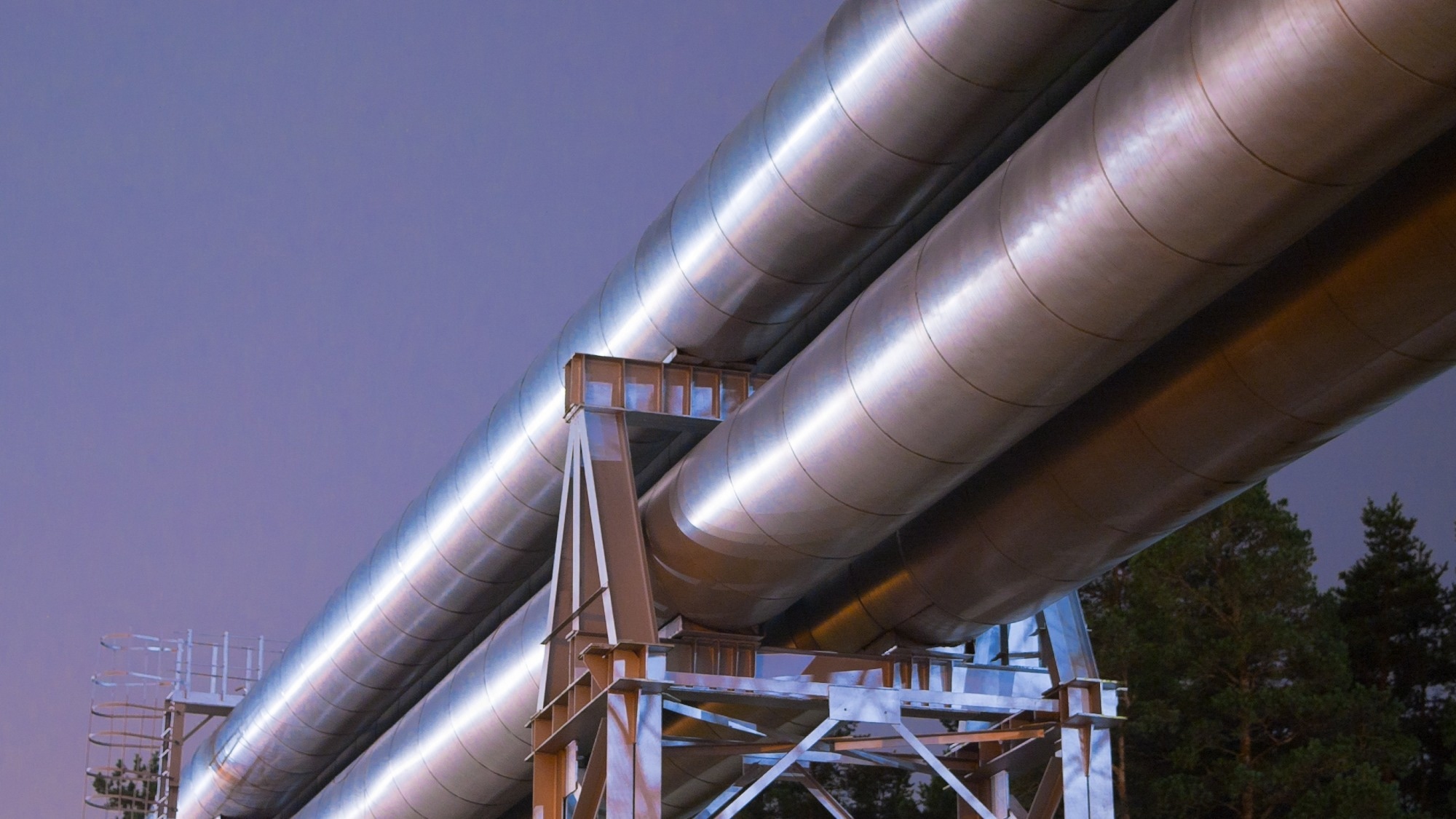
Image Credit: fotokaleinar/Shutterstock.com
What actually happens during the carbon capture stage?
There are typically four main carbon capture techniques.
The first is pre-combustion capture. In this process, the fossil fuel is partially burned and routed through a gasifier to create syngas. This syngas is mainly made up of hydrogen and CO2. The produced hydrogen can be used for power generation, while the CO2 can be stored.
The second is post-combustion capture, which is probably the most common technique used today because facilities can retrofit it onto their existing production systems. In this process, the flue gas after combustion is routed through a carbon capture process using solvents such as amines.
These amines have a special affinity for CO2, so they capture it. The amines are then transported and reheated, allowing the CO2 to separate.
The third method is oxy-fuel combustion. This removes air from the combustion process and uses pure oxygen instead. That results in a nearly pure combustion reaction, producing carbon dioxide and water. The water can then be removed, leaving the CO2 to be captured.
The final method is direct air capture, which is gaining momentum. As the name suggests, this involves capturing CO2 directly from the atmosphere. These systems can have a relatively small footprint and may be placed directly at a facility.
For example, a beverage facility could capture CO2 from the air, liquefy it, and use it directly in its process. However, direct air capture is currently relatively expensive because the concentration of CO2 in air is only around 400 ppm, making it more challenging than capturing CO2 from sources with much higher concentrations.
Click here to watch Analyze That episode 12 - Building confidence across the CCUS value chain
Why is transport such a critical stage in the CCUS process?
Transport is critical because CO2 streams can contain very different impurities depending on the industrial source from which they were captured. Certain impurities, such as oxides of nitrogen and sulfur species, can react with water and oxygen in the transportation network to create acids, including nitric and sulfuric acid, which can degrade the infrastructure.
This is especially important because much of the CO2 transportation network may rely on existing carbon steel pipelines originally designed for oil and gas. That makes it essential to understand exactly what is flowing through the pipeline. Custody transfer points are important as soon as the CO2 leaves the capture facility, and monitoring is also needed at critical points across the transportation network.
CO2 is typically transported by pipeline, but there are also examples around the North Sea where converted liquid natural gas ships are used to move CO2 to receiving hubs. There may also be a trucking network in the future, especially for landlocked facilities that need a way to move captured CO2 to sequestration hubs. In those cases, it will also be important to quantify the emissions involved in transporting the CO2.
What does usage mean in practice, and why is it important?
Usage means making a viable product from the captured CO2. I expect this to become more important over the next five to 10 years because capturing carbon dioxide is expensive. If facilities can purify captured CO2 to a high enough standard to use it in a product, they have another potential revenue stream in addition to storing it for carbon offsets.
A major area of CO2 use is the beverage market, though it is also used in fertilizer manufacturing, particularly in the production of urea, and in industrial manufacturing, such as the production of calcium carbonate for cement.
Another emerging area is e-fuels, in which CO2 can be reacted with carbon monoxide to produce methanol. That methanol can then undergo a Fischer-Tropsch process to produce hydrocarbons.
In that sense, usage allows us to recycle previously combusted hydrocarbons and potentially turn them back into viable products, including sustainable aviation fuel or other hydrocarbons for combustion.
Why is beverage-grade CO2 such an important example of usage?
Beverage-grade CO2 is important because it has to meet a very strict standard called the ISBT standard. This typically requires that impurities in the CO2 be present at very low parts-per-billion levels, while the CO2 purity itself must be above 99.9%.
That is where the Thermo Scientific™ MAX-Bev™ CO2 Purity Monitoring System is relevant. It was originally designed to measure CO2 against the ISBT standard, but it can also be used across the wider CCUS value chain for liquefied CO2.
It can verify whether CO2 meets a high-purity requirement and assess different sequestration specifications, confirming that the CO2 is within the required purity range for storage.
What does CO2 storage involve, and why does monitoring remain important at this stage?
Storage refers to the placement of CO2 in permanent sequestration wells, such as saline aquifers or depleted oil wells. These wells are intended to store CO2 for a very long time, so operators need confidence that the CO2 will remain there.
In some cases, the requirement is that the storage location should not have a leak rate exceeding 10% over a thousand years.
Monitoring is important because of the risk of well degradation and because operators need to quantify exactly how much CO2 is being stored in the ground. That also ties back to tax credits.
It is also necessary to verify that impurity levels are within specification, as reactions under extreme pressure could degrade the storage location.
Enhanced oil recovery is another area connected to storage, as CO2 can be used to displace oil more effectively than water, which was traditionally used. In this case, oil and gas operators could install a CCUS process, capture and liquefy the CO2, and then use it to support additional oil production while also offsetting emissions.
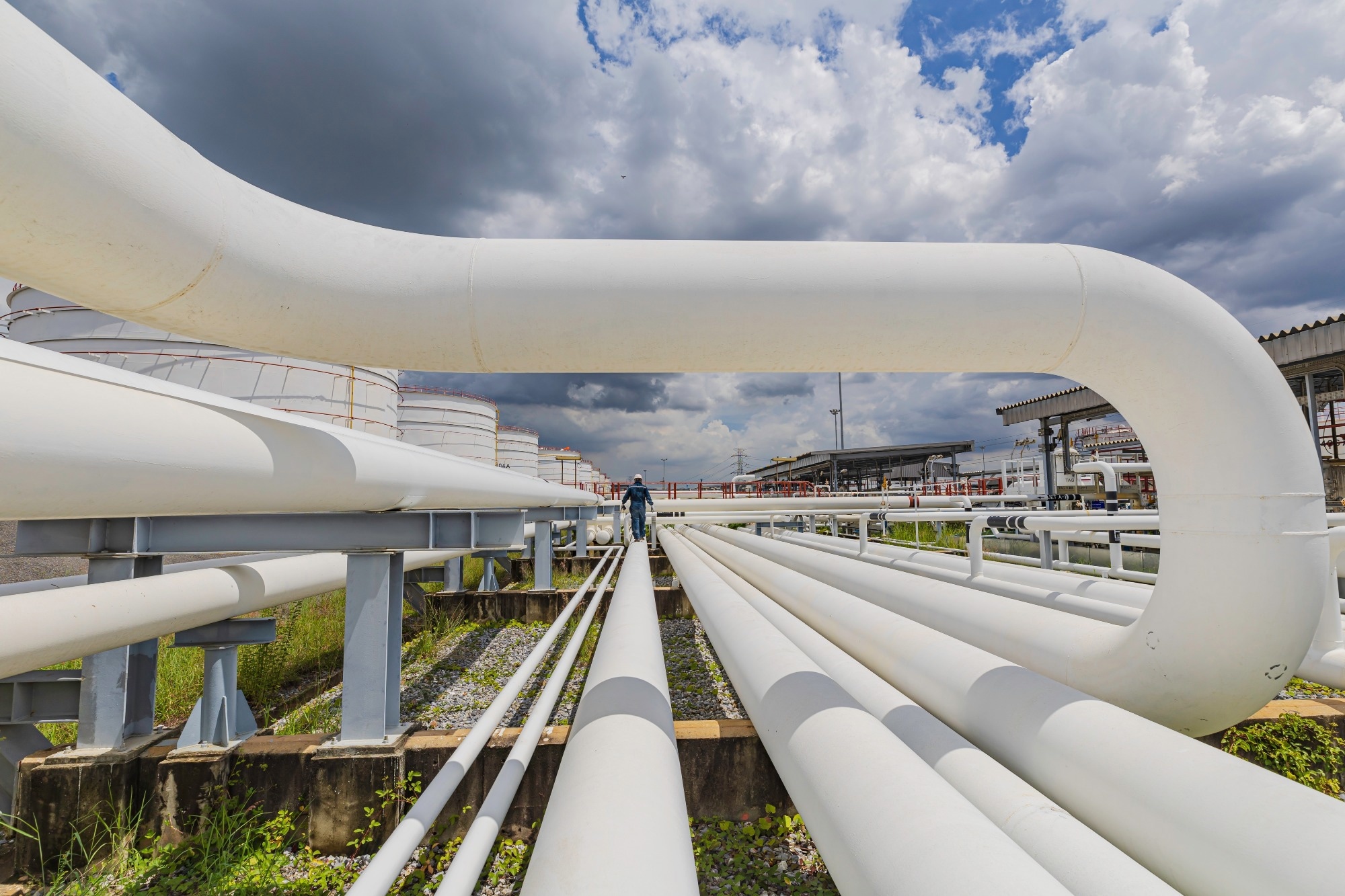
Image Credit: noomcpk/Shutterstock.com
Click here to watch Analyze That episode 12 - Building confidence across the CCUS value chain
Why is understanding what is in the CO2 stream so important?
The composition of the CO2 stream depends heavily on the industrial production source and the capture technique used. CO2 captured from fermentation, for example, may have very different impurities compared with CO2 captured from a combustion process. Similarly, impurities from direct air capture will differ markedly from those found in post-combustion capture using amines.
That is one reason why there is not yet a single global specification for CO2 transportation and storage. It is difficult to define every impurity that could be present, although there are certain critical ones that operators pay close attention to. These include oxides of nitrogen, sulfur species such as H2S and SO2, oxygen, and water. Even at relatively low concentrations, from single-digit PPM to tens of PPM, these components can create reaction conditions that lead to acid formation.
There are also components like glycols that can create buffer conditions in pipelines, allowing reactions to happen more quickly. This remains an active area of research, and some organizations are even exploring whether changes in pipeline elevation could affect reaction mechanisms.
That is why flexible monitoring technology is valuable. It needs to measure multiple components at extremely low levels while also measuring CO2 at 99% and above.
Where does the MAX-Bev fit into the CCUS value chain?
The MAX-Bev fits into the value chain once the CO2 has been captured, purified, and liquefied. It is used at custody transfer points across the transportation network. For example, it can be installed at a facility where liquefied CO2 is stored in tanks before being shipped.
One of its advantages is its multiplexing capability and continuous measurement. It can sample from up to nine different storage tanks and output a certificate of analysis for custody transfer.
It can also be installed at strategic points across the transportation network, such as pumping and compressing stations, to confirm that no reactions are taking place and that the CO2 is not picking up additional impurities.
At the receiving hub, the MAX-Bev can verify whether the CO2 meets the facility's specification. If it is within specification, it can be permanently sequestered; if it is not, it can be rejected. This helps protect assets across the value chain while maintaining traceability at each point.
Finally, why is FTIR such a valuable tool for supporting reliable CO2 purity monitoring across the CCUS value chain?
FTIR stands for Fourier transform infrared spectroscopy. It operates on the basic concept that molecules vibrate at specific frequencies.
When infrared light is exposed to certain molecules and the frequency matches, the molecule absorbs that light. By routing gas through a set-volume gas cell, the system can measure the concentration of different components based on how much infrared light is absorbed.
FTIR is a strong fit for this application because it is flexible. It can measure from low parts per billion up to 100% simultaneously.
The MAX-Bev measures CO2 directly with high accuracy and precision while also measuring many impurities simultaneously. Automatic feedback can be provided in as little as 30 seconds. This is important because CO2 needs to be detected quickly before it travels further down the network if it falls outside specification in a pipeline.
Another advantage is calibration transferability. If additional components need to be measured later, calibrations can be uploaded remotely to an existing MAX-Bev system, helping to reduce downtime. Combined with monthly QAQC that takes about an hour and a half, FTIR is valuable for maintaining continuous uptime and constant monitoring of CO2 streams.
Analyze That episode 12 - Building confidence across the CCUS value chain
Building confidence across the CCUS value chain
About Trevor Tillman 
Trevor Tilmann holds a Bachelor of Science in Chemistry from Central Michigan University. As Engineer III, Field Applications at Thermo Fisher Scientific, he applies his chemistry background to field applications, supporting technical performance, customer needs and practical scientific solutions.

This information has been sourced, reviewed, and adapted from materials provided by Thermo Fisher Scientific – Environmental and Process Monitoring Instruments.
For more information on this source, please visit Thermo Fisher Scientific – Environmental and Process Monitoring Instruments.
Disclaimer: The views expressed here are those of the interviewee and do not necessarily represent the views of AZoM.com Limited (T/A) AZoNetwork, the owner and operator of this website. This disclaimer forms part of the Terms and Conditions of use of this website.