Nickel-rich layered oxide cathodes (e.g., NCA90) are considered some of the most advanced materials for high-energy lithium-ion batteries. Yet, under high-stress conditions, they remain unstable, posing a significant barrier to long-term use in electric vehicles and energy storage.
Because the chemistry of these materials is susceptible to severe electrolyte decomposition, capacity fade accelerates and poses a number of safety hazards.
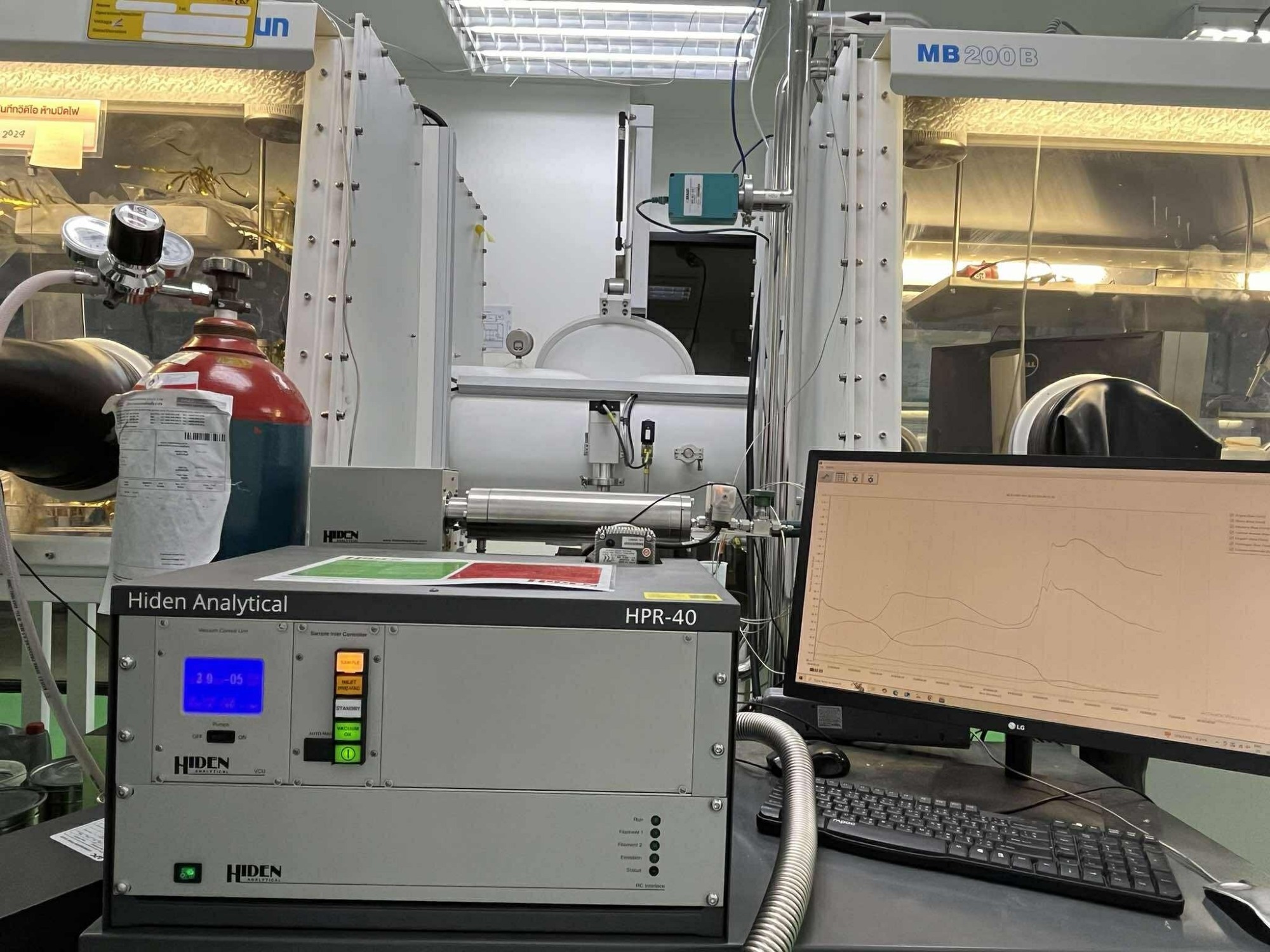
Figure 1. HPR-40 DEMS, Hiden Analytical. Image Credit: Hiden Analytical
This study determines whether formaldehyde (CH2O) produced during the initial cycle can serve as a reliable diagnostic of long-term battery stability. Herein, it is demonstrated how the baseline CH2O that first forms under any stress strongly correlates with future capacity retention, voltage hysteresis, and energy efficiency over extended cycling.
Taking 18650-format NCA90/graphite cells manufactured under pilot-line conditions, a systematic evaluation of overcharge, over-discharge, and rapid-charging scenarios was conducted. Ny also applied Hiden’s HPR-40 DEMS system; gas evolution was monitored in real time and aided with 1H NMR spectroscopy of the electrolyte. The findings revealed:
- Overcharge results in exponential increases in CH2O with voltage escalation (4.5–4.9 V), signifying severe oxidative decomposition.
- While over-discharge gradually generates CH2O, it is still linked to long-term degradation.
- Rapid charging (2C), even without lithium plating, results in detectable CH2O in the electrolyte, indicating interfacial instability.
Computational free-energy analyses demonstrated that CH2O was spontaneously yielded via CO2 reduction at lithiated graphite (LiC6) surfaces.
Experimentally, it was confirmed that lithiated graphite catalyzes CO2 conversion to CH2O, exhibiting how pivotal electrode cross-talk can be.
Most crucially, cells exhibiting lower initial CH2O generation delivered superior cycle life consistently. CH2O formation was minimized using optimized electrode designs, in contrast to thin or thick counterparts, which in turn demonstrated the best long-term stability across 1000 cycles.
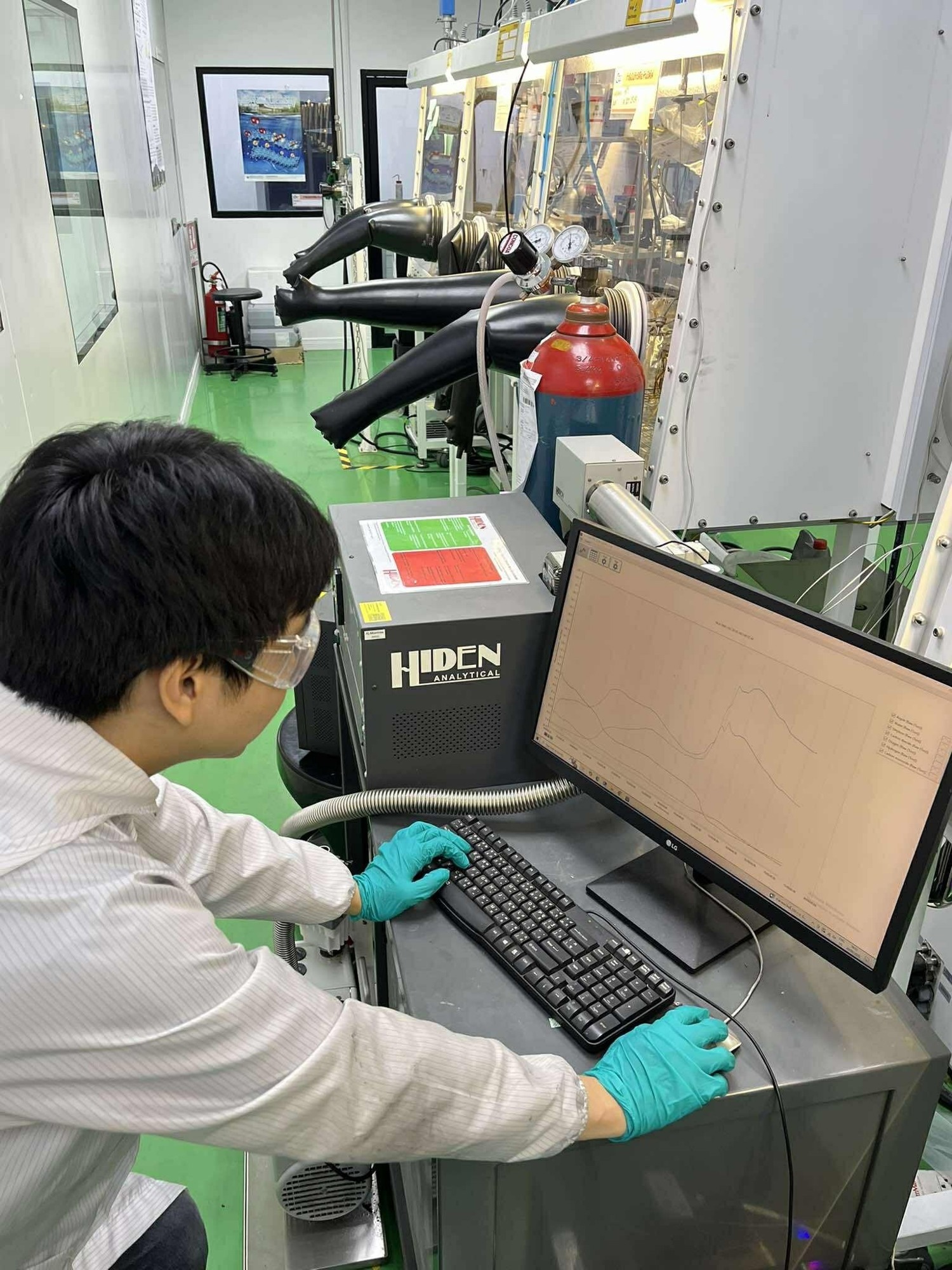
Figure 2. Postdoctoral researcher, Dr. Nattanon Joraleechanchai. Image Credit: Hiden Analytical
Key Contributions of This Work:
- Early diagnostic marker – Initial CH2O levels help predict performance and safety in the long-term, limiting dependence on time- and cost-intensive cycling tests.
- Mechanistic insight – CH2O derives from CO2 reduction at lithiated graphite, associating gas-phase and liquid-phase degradation pathways.
- Practical screening tool – A combination of Hiden DEMS and NMR puts in place a workflow relevant for electrolyte development, formation optimization, and quality control.
- Industrial relevance – CH2O detection, already possible with affordable sensors, can be incorporated into EV or ESS systems as a state-of-health monitoring tool.
This study offers a fundamental and practical framework for degradation reduction in Ni-rich cathodes through the development of electrolytes and interfaces that control CH2O formation. It also underscores how state-of-the-art analytical tools, such as those from Hiden, facilitate rapid and predictive evaluation of cell chemistry under real-world stress conditions.
References
- Sangsanit, T., et al. (2024). Initial formaldehyde generation as a predictive marker for long-term stability of Ni-rich Li-ion batteries under abusive conditions. Journal of Power Sources, 611, p.234770. DOI: 10.1016/j.jpowsour.2024.234770. https://www.sciencedirect.com/science/article/abs/pii/S0378775324007225?via%3Dihub.
Hiden Product: HPR-40 DEMS.

This information has been sourced, reviewed and adapted from materials provided by Hiden Analytical.
For more information on this source, please visit Hiden Analytical.