In the fast-changing landscape of precision agriculture, autonomous sprayers are changing the way farmers handle crop protection. These innovative technologies rely on precise, real-time meteorological data to ensure environmental compliance, optimize spray application, and improve operating efficiency.
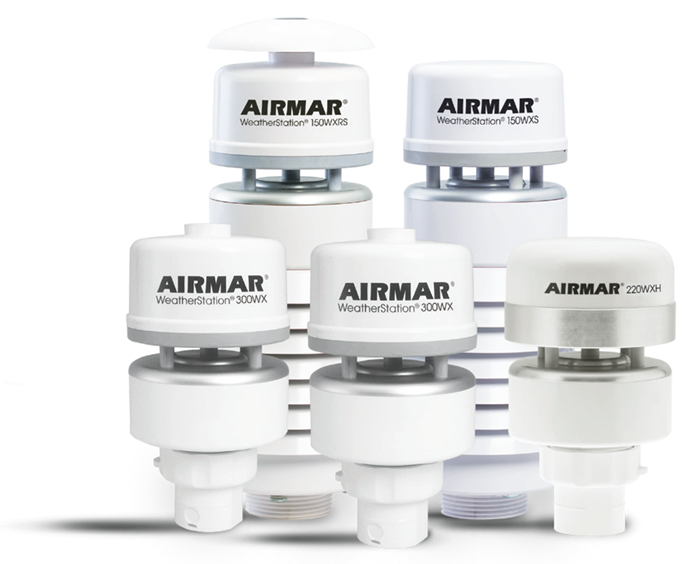
Image Credit: AIRMAR Technology Corporation
The WeatherStation® sensors from Airmar Technology Corporation are at the heart of this breakthrough, since they offer vital environmental measures for autonomous Agtech platforms such as SwarmFarm's SwarmBots.
SwarmFarm Robotics, a Queensland-based pioneer in autonomous farming solutions, has been using Airmar's WeatherStation® instruments in its SwarmBots since 2019.
With over 300 WeatherStations installed in the field, SwarmFarm is at the forefront of autonomous spraying, helping farmers improve precision, reduce chemical drift, and meet strict environmental requirements.
This case study outlines how Airmar's WeatherStation® sensors enable SwarmFarm's autonomous sprayers to make real-time choices, meet regulatory standards, and increase efficiency in modern agriculture.
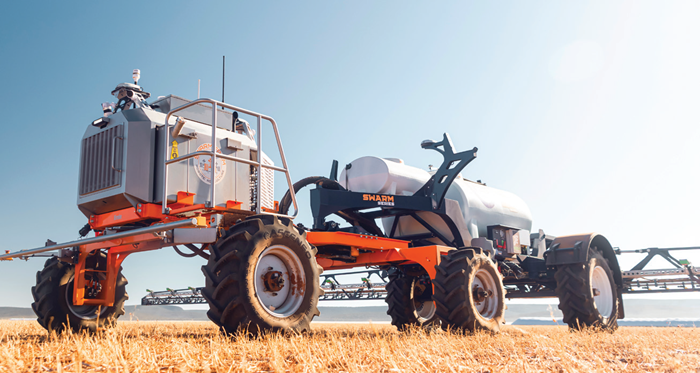
Image Credit: SwarmFarm
The Role of Weather Data in Autonomous Spraying
Autonomous sprayers are transforming agriculture by lowering labor costs, increasing operational efficiency, and enhancing chemical application accuracy. However, the efficiency of these systems is dependent on precise, real-time meteorological data.
Wind speed, wind direction, temperature, humidity, and Delta T (the difference between air temperature and dew point) are all important variables that affect spray drift, chemical efficacy, and environmental compliance.
Regulatory Compliance in Australia
Spray applications in Australia are subject to stringent restrictions that aim to reduce environmental effects while also protecting operators.
The Australian Pesticides and Veterinary Medicines Authority (APVMA) requires that spray operations follow label requirements, which include weather limits, buffer zones, and application conditions.
State-based chemical use restrictions frequently require farmers to document weather variables such as wind speed, direction, temperature, and humidity during spray operations.
SwarmFarm's interface with Airmar's WeatherStation® instruments directly solves these needs by providing real-time, on-machine weather data. This data provides a reliable record of conditions at the place of application, ensuring adherence to APVMA label instructions and state-specific spray record standards.
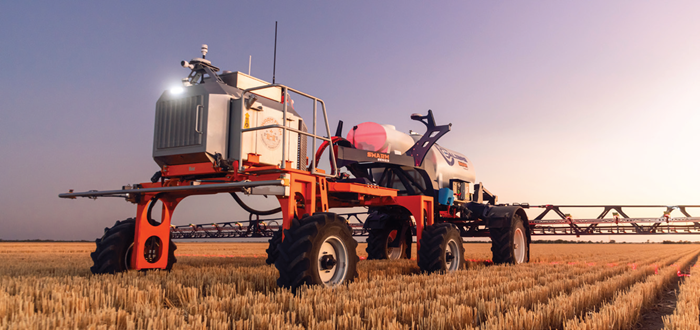
Image Credit: SwarmFarm
Global Agrochemical Regulations: A Growing Trend
Australia is not alone in enforcing strict agrochemical application laws. Environmental restrictions limiting herbicide and fungicide spraying are increasingly being enforced by governments around the world to protect ecosystems, water sources, and human health. The key regulatory frameworks include:
- United States: Pesticides are regulated by the Environmental Protection Agency (EPA) under the Federal Insecticide, Fungicide, and Rodenticide Act (FIFRA). State-level organizations, such as the California Department of Pesticide Regulation (CDPR), impose additional restrictions, including buffer zones and wind speed limits.
- European Union: The European Union's Pesticide Regulation (EC) No 1107/2009 limits pesticide residue levels in food and drinking water, while the Sustainable Use Directive (2009/128/EC) mandates farmers to use Integrated Pest Management (IPM) strategies and follow application guidelines.
- Canada: In Canada, pesticide registration and use are overseen by Health Canada's Pest Management Regulatory Agency (PMRA). Provincial rules, such as Ontario's Pesticides Act, limit application timing, wind conditions, and record-keeping.
- United Kingdom: The UK now implements the GB Pesticides Regulations, which comply with EU norms and include features like buffer zones near water bodies and real-time weather monitoring.
- New Zealand: In New Zealand, pesticides are regulated under the Hazardous Substances and New Organisms (HSNO) Act, with additional restrictions imposed by regional councils such as mandated wind speed thresholds and spray spread management plans.
- Brazil: Brazil's Ministry of Agriculture (MAPA) enforces tight pesticide application laws, including buffer zones around water sources and mandatory record-keeping. State-level regulations also apply in crucial agricultural regions such as Mato Grosso.
- China: Producers in China must observe label directions and adhere to buffer zones and application timing limits under the Pesticide Management Regulations enforced by provincial agricultural departments.
- Japan: Japan's Agricultural Chemicals Regulation Law requires buffer zones, wind speed limitations, and record-keeping, with additional prefectural rules in high-risk locations.
These global regulations highlight the crucial importance of real-time, precise meteorological data and equipment position logging in spray operations.
Airmar's WeatherStation® instruments help farmers globally comply with these various regulatory frameworks by providing exact, on-machine environmental readings, resulting in safer, more sustainable pesticide applications across varied agricultural landscapes.
Industry Growth of Autonomous Sprayers
The global agricultural robots market is rapidly expanding, with autonomous sprayers playing a critical role.
According to Grand View Research, the agricultural robotics market was valued at USD 7.4 billion in 2020 and is expected to increase at a compound annual growth rate (CAGR) of 23.1% between 2021 and 2030, reaching $48.1 billion by 2030.
This rise is being driven by increased use of precision agriculture technologies, workforce shortages, and the demand for greater efficiency in farming operations. Autonomous sprayers are an important element of this market, allowing farmers to optimize chemical usage, eliminate drift, and increase crop protection.
SwarmFarm customers, with their fleet of over 300 autonomous SwarmBots outfitted with Airmar WeatherStation® instruments, are at the forefront of this technological transformation.
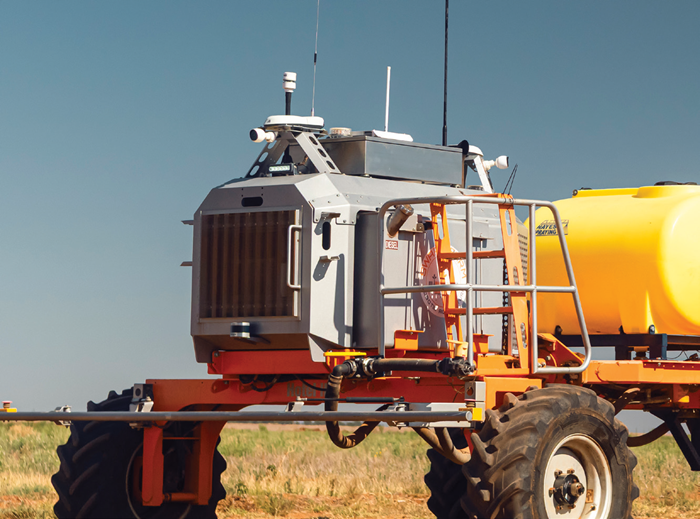
Image Credit: SwarmFarm
Airmar’s WeatherStation® Instruments: Powering Autonomous Agtech
Airmar's WeatherStation® instruments are designed to offer accurate, dependable, and real-time weather data even under the most adverse situations. Airmar has established itself as the chosen choice for autonomous systems working on land and at sea in a variety of applications due to its proven performance.
Each WeatherStation instrument provides up to seven vital weather observations, together with motion-based data from an integrated GPS/GNSS sensor, three-axis rate gyro, compass, and accelerometers.
The 150 WXRS model improves performance by detecting and quantifying rainfall accumulation, intensity, and duration. Building on this solid foundation, the 300WX series, the latest addition to the WeatherStation® family, delivers additional functionality tailored to agriculture, defense, and industrial applications.
Key Features of the 300WX Series
1. Dynamic True Wind Measurement:
- The 300WX instruments measure both dynamic true wind from a moving vehicle (actual wind speed and direction relative to North, minus motion-induced wind speed and direction) and apparent wind from a moving platform.
- Autonomous sprayers rely on this capability to alter spray parameters based on actual environmental conditions, rather than merely vehicle wind.
2. Expanded Communication Protocols:
- The 300WX series supports CAN (NMEA2000®), J1939, and ISOBUS output protocols, making it compatible with agricultural, heavy machinery, and industrial applications.
- Automatically detects baud rates (250 and 500 kbps) for seamless interaction with existing car networks.
3. Bluetooth® Connectivity via Airmar’s CAST™ App:
- The CAST™ app allows users to configure sensors, examine real-time data, and upgrade firmware wirelessly from up to 33 meters (100 feet).
- The software offers adjustable data display layouts in digital, graphical, or hybrid formats, giving farmers easy access to crucial meteorological data.
4. Rugged and Maintenance-Free Design:
- The 300WX instruments have a small, all-in-one design with no moving parts, ensuring dependability and lifespan in severe agricultural situations.
- Models with IP64 and IP67 classifications offer protection from water, dust, and corrosion.
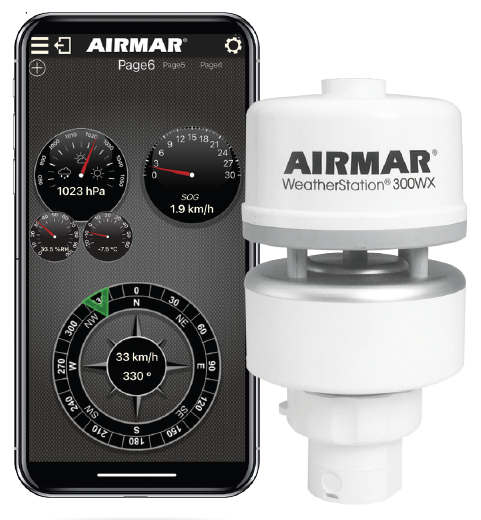
Image Credit: AIRMAR Technology Corporation
5. Comprehensive Environmental Measurements:
- The 300WX monitors real-time wind speed and direction, air temperature, barometric pressure, relative humidity (on certain models), and computed dew point and heat index.
- The improved wind speed accuracy to 1.5 knots RMS at 20 knots facilitates precise measurements in challenging conditions.
6. Delta T and Wet Bulb Temperature Calculation Data:
- Delta T (the difference between air temperature and dew point) is an important parameter for spray operations as it affects droplet evaporation and drift potential.
- Wet bulb temperature calculations are crucial for forestry/wildfire risk assessment, greenhouse climate control, and livestock facility management.
SwarmFarm’s Integration of Airmar’s WeatherStation®
Since 2019, SwarmFarm, a leader in autonomous farming solutions, has deployed over 300 Airmar WeatherStation® instruments across a wide range of customers' SwarmBot fleets.
These instruments give real-time meteorological data for autonomous spray operations, allowing SwarmFarm's customers to comply with environmental standards while also optimizing spray applications.
Data Collection and Real-Time Decision-Making
SwarmBots outfitted with Airmar WeatherStation® instruments record the following data every five seconds while operating:
- Delta T (critical for spray drift management)
- Temperature
- Wind speed and gust
- Wind direction
- GPS position
This data is used to generate an as-applied map that includes real-time weather conditions gathered at the nozzle. SwarmFarm has also created algorithms that leverage the moving vehicle's velocity and orientation to adjust measured wind speed and direction, resulting in more accurate static wind observations from a moving robot.
Autonomous Spray Control
SwarmFarm's SwarmView app enables operators to specify meteorological conditions for each spray job based on chemical label instructions. The onboard weather station constantly analyzes circumstances against these parameters.
If the conditions exceed the established criteria (for example, if the wind speed is too high or the Delta T is too low), the SwarmBot will stop spraying. When conditions recover to suitable levels, spraying continues automatically.
This real-time decision-making mechanism guarantees that spray operations follow safe and effective guidelines, limiting chemical drift and enhancing application efficacy.
Current Integration Method and Future Potential
Currently, SwarmFarm connects the Airmar WeatherStation® instruments to its SwarmBots via serial. While the new 300WX series supports CAN, J1939, and ISOBUS protocols, SwarmFarm's existing serial integration fits its autonomous needs.
However, the possibility for future use of these advanced communication protocols could help to speed system integration and data transfer.
Benefits for SwarmFarm’s Customers
Customers of SwarmFarm have benefited significantly from incorporating Airmar's WeatherStation® instruments into their spray operations.
1. Regulatory Compliance:
- Real-time weather data from WeatherStation® instruments ensures compliance with APVMA label instructions and state-specific spray record standards.
- Farmers can avoid regulatory penalties by demonstrating that spray activities were conducted within allowed weather restrictions.
2. Improved Spray Efficacy:
- Accurate Delta T and wet bulb temperature estimates aid farmers in optimizing droplet size and reducing chemical drift, leading to more effective spray treatments.
- The SwarmBot uses real-time wind data to dynamically alter spray parameters, providing optimal chemical application conditions.
3. Operational Efficiency:
- WeatherStation® instruments enable autonomous sprayers to run constantly, lowering labor costs and enhancing efficiency.
- The "Snooze" mode feature enables SwarmBots to enter a low-power state and restart activity when conditions improve, increasing efficiency.
4. Data-Driven Decision-Making:
- The CAST™ app offers farmers easy access to real-time meteorological data, helping them make educated decisions about spray operations.
- Users can customize data display layouts to visualize weather conditions in digital, graphical, or hybrid formats that meet their individual demands.
5. Scalability and Growth:
- SwarmFarm's autonomous sprayer solutions have proven scalable and reliable, with over 300 WeatherStation® devices installed in the field.
- The company's rise in the Agtech sector highlights the need of incorporating accurate meteorological data into autonomous farming equipment.
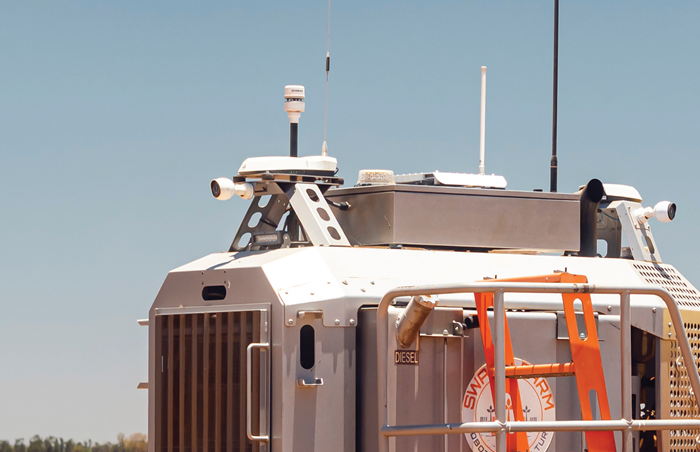
Image Credit: SwarmFarm
Future Outlook: Advancing Autonomous Agtech with Airmar
As SwarmFarm's fleet of autonomous SwarmBots grows, Airmar's WeatherStation® instruments will play an increasingly important role in advancing innovation and efficiency in precision agriculture.
Farmers have indicated interest in new features that could expand the capability of these devices, such as:
- Rain Detection: Real-time rain detection notifications enable rapid modifications to spray operations. Airmar's current rain sensor (150WXRS) provides data on rain amount, duration, and intensity but is solely suited for stationary installations. Future advancements may enable rain detection from a moving vehicle equipped with a rain sensor.
- Inversion Detection: Detect inversions to prevent spray drift near the ground, enhancing safety and compliance.
- Confidence Metrics: Use a quality measure (e.g., standard deviation or uncertainty value) to assess the dependability of weather data and identify potential sources of error, such as vibration, turbulence, or mounting location.
Airmar's commitment to continual innovation guarantees that its WeatherStation® instruments evolve to meet the changing needs of system integrators in the autonomous Agtech industry.
Airmar helps farmers and Agtech firms like SwarmFarm achieve more precision, efficiency, and sustainability in modern agriculture by providing precise, dependable, and real-time meteorological data.
Conclusion
The incorporation of Airmar's WeatherStation® instruments into SwarmFarm's autonomous SwarmBots demonstrates the potential of precision agriculture technology in modern farming.
These tools help SwarmFarm clients comply with environmental requirements, optimize spray applications, and increase operating efficiency by providing real-time, accurate meteorological data.
As the autonomous Agtech sector expands, the collaboration between Airmar and SwarmFarm demonstrates how advanced sensor technology can transform farming operations.
With continued innovation and a focus on client needs, Airmar's WeatherStation® instruments will remain at the forefront of the autonomous agriculture revolution, assisting farmers in increasing yields, reducing environmental impact, and creating a more sustainable future.
This information has been sourced, reviewed, and adapted from materials provided by AIRMAR Technology Corporation.
For more information on this source, please visit AIRMAR Technology Corporation.