Soil fungi could become an essential tool for tackling climate change, particularly if synthetic biology can enhance their natural abilities to store carbon, support plant growth, and improve soil health.
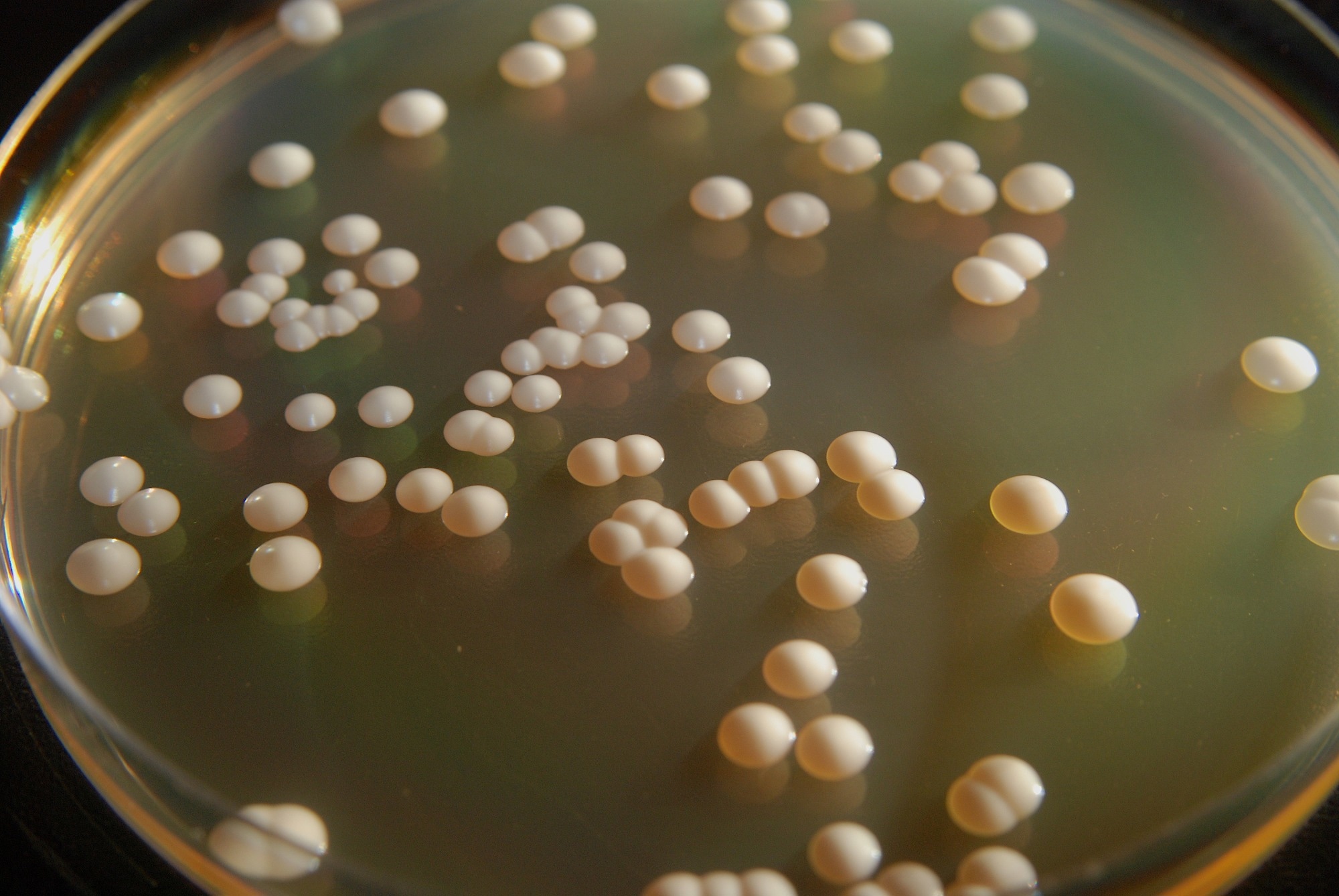
Study: In the synthetic biology era, engineered fungi could mitigate carbon dioxide emissions and enhance environmental resilience. Image Credit: Rafael Zarate/Shutterstock.com
The Importance of Fungi
In the last 20 years, greenhouse gas emissions, specifically carbon dioxide emissions, have increased significantly due to anthropogenic activities, resulting in substantial environmental shifts.
While there have been continuous efforts to decrease emissions, real progress has not yet been achieved. This has pushed researchers to seek alternative approaches to improving environmental sustainability.
Marine prokaryotes and land plants absorb carbon dioxide and store carbon as biomass during photosynthesis. While plant systems have often been synthetically engineered to improve their native carbon-fixation pathways, few studies have focused on microorganisms, specifically fungi.
A newly published paper has reviewed the role of soil-borne fungi in carbon management. The review was published in Communications Earth and Environment.
Want to save for later? Click here.
Engineering Fungal Carbon-Stabilizing Compounds
Melanin and glomalin-related soil proteins (GRSP) are closely linked to the long-term retention of carbon in soil.
Fungi synthesize melanin through the L-dihydroxyphenylalanine (L-DOPA) and dihydroxynaphthalene (DHN) pathways. The L-DOPA pathway starts with L-dopamine or tyrosine and leads to dihydroxyindole polymerization, producing DOPA melanin, while the DHN pathway begins with malonyl-CoA and results in 1,8-DHN polymerization to create DHN melanin.
However, the genes and pathways responsible for producing GRSP have not yet been identified, posing challenges for incorporating these pathways into new host organisms or improving biosynthetic pathways for carbon dioxide sequestration.
Synthetic Carbon Fixation Pathways
Engineering fungi that assimilate carbon dioxide into alternative pathways for long-term storage could reduce atmospheric carbon dioxide levels.
While yeasts such as Saccharomyces cerevisiae are used to produce biofuels, these strains can be enhanced to reduce waste and shift carbon flux toward different or more desired products.
Soil yeasts can grow under conditions that are not normally conducive to good laboratory performance, making them suitable for engineering platforms. Fatty acid production in yeasts has also been exploited to capture carbon dioxide.
This approach extends to other filamentous fungi and yeasts by introducing carbon dioxide-assimilating pathways.
Laboratory evolution and genetic engineering have created an autotrophic strain of Escherichia coli that uses carbon dioxide as its only carbon source.
While this technology can also be applied to various fungal species, it would require rewiring the host's endogenous metabolic network and introducing specific Calvin cycle enzymes.
Improved Bioremediation and Greenhouse Gas Mitigation
During bioremediation, soil-borne fungi degrade environmental threats and waste, such as pesticides, petroleum hydrocarbons, and plastics, using their inherent enzymatic capabilities. Such degradation mitigates greenhouse gas release and detoxifies contaminated environments. As an example, isolates of the endophyte Pestalotiopsis microspora can degrade polyester polyurethane and use it as a carbon source. Isolates of Engyodontium album and Aspergillus terreus can degrade polypropylene after ultraviolet or heat pretreatment.
Similarly, isolates of Phanerochaete chrysosporium and Aspergillus niger help remove petroleum hydrocarbons from diesel- and petrol-contaminated soil, while Fusarium solani solubilizes and degrades methane at a comparable biodegradation rate to a consortium of methanotrophic bacteria catalyzed by a cytochrome P450.
Although most of these activities have been reported in fungal pathogens that pose a significant threat to plants and humans, these metabolic activities can be engineered into beneficial fungal species to reduce greenhouse gas emissions and environmental waste.
Enhanced Fungal–Plant Symbioses
Symbiotic associations between fungi and plants primarily drive plant development and growth, as fungi improve water and nutrient uptake in return for carbohydrates from plants.
Enhanced nutrient acquisition promotes greater root biomass and photosynthetic capacity, which increases the amount of atmospheric carbon dioxide stored in soils and fixed into plant tissues, thereby improving carbon sequestration.
Thus, engineering strains of soil-borne fungi that promote plant growth and health through mutualistic symbioses is one potential application of synthetic biology.
Mycorrhizal fungi, particularly orchid (OrM) and ericoid (ErM) mycorrhizal fungi, possess specific carbohydrate-active enzymes (CAZymes) that degrade plant cell walls and facilitate symbiotic interactions with plant roots.
Functional characterization of the genes encoding these enzymes offers opportunities to genetically engineer non-symbiotic fungi for plant association. Fungi also produce signaling molecules like lipo-oligosaccharides (LCOs), or nodulation (Nod) factors, which promote symbiosis with various plant species.
Genetic modification of LCO biosynthetic pathways in fungi can enhance LCO production, which could strengthen fungal–plant interactions. Arbuscular mycorrhizal (AM) and ectomycorrhizal (EcM) fungi can serve as platforms for engineering nitrogen fixation, although challenges include expressing multiple genes and targeting their products to mitochondria for anaerobic reactions.
What Does the Future Look Like?
Advances in synthetic biology could unlock the largely untapped potential of soil fungi as powerful tools for climate change mitigation and environmental restoration.
By enhancing fungal carbon sequestration, pollutant degradation, and beneficial interactions with plants, researchers could develop innovative strategies to reduce greenhouse gas emissions while improving soil health and ecosystem resilience.
However, challenges surrounding genetic engineering, ecological safety, and the long-term stability of stored carbon must be addressed before these approaches can be implemented at scale.
Further research into fungal metabolic pathways and their interactions with surrounding ecosystems is essential to translating these promising developments into practical, sustainable climate solutions.
Journal Reference
Davis, K., & Tannous, J. (2026). In the synthetic biology era, engineered fungi could mitigate carbon dioxide emissions and enhance environmental resilience. Communications Earth & Environment, 7(1), 846. DOI:10.1038/s43247-026-04088-5, https://www.nature.com/articles/s43247-026-04088-5
Disclaimer: The views expressed here are those of the author expressed in their private capacity and do not necessarily represent the views of AZoM.com Limited T/A AZoNetwork the owner and operator of this website. This disclaimer forms part of the Terms and conditions of use of this website.