In this interview, industry experts Simon Welzmiller and Julian Ungerer discuss how lab-scale melt filtration and advanced analytics support more efficient plastics recycling workflows.
What broader challenge is the plastics recycling industry currently facing?
Julian Ungerer: The recycling industry is under increasing pressure because of legislation and ambitious recycling targets. Although recyclers are expected to process growing volumes of plastic waste, many of the additional waste streams entering the market are highly heterogeneous and complex, with complicated contamination profiles. In many cases, suitable recycling and purification concepts either don't yet exist or are still being developed.
As a result, recyclers need faster and more efficient ways to evaluate new waste streams and develop appropriate process strategies for such complex materials.
Traditional process development can be time-consuming and resource-intensive, particularly when working with large numbers of different materials. This is where faster lab-scale screening approaches can be extremely valuable.
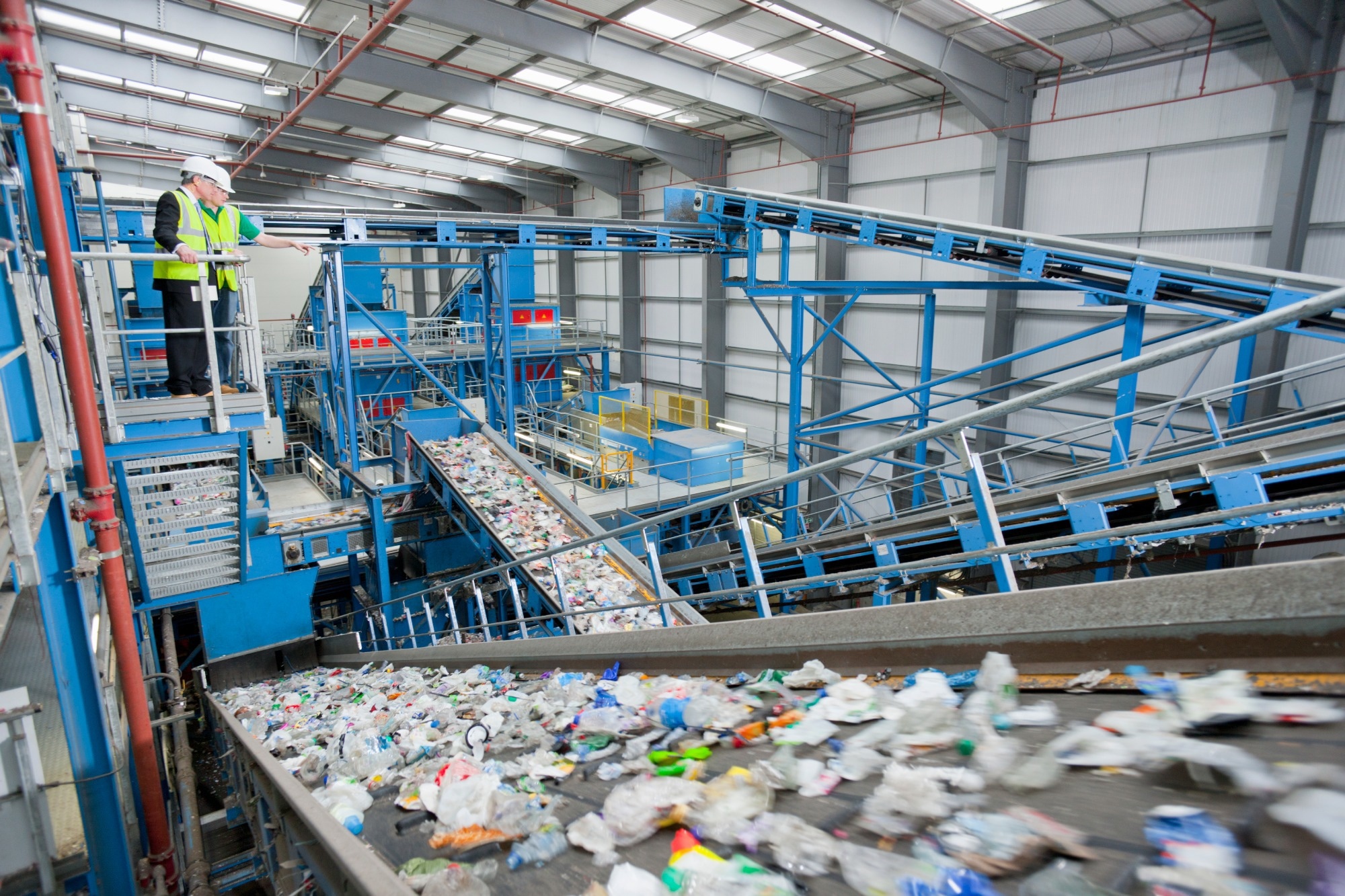
Image Credit: Juice Flair/Shutterstock.com
Why is melt filtration such an important step in mechanical recycling?
Julian Ungerer: Contamination is one of the biggest limiting factors in mechanical recycling. During extrusion, foreign plastics, metals, glass fibers, mineral fillers, and unmelted residues can damage equipment, destabilize processing, and reduce final product quality. Melt filtration removes these contaminants directly from the polymer melt in a lab-scale environment.
However, every waste stream behaves differently, so the same filtration strategy will not work for every material. This makes screening especially important. By testing filtration behavior at lab scale, recyclers can quickly evaluate which filter configuration is most suitable for a specific waste stream before moving toward industrial production.
How does this support the wider goal of circular plastics processing?
Simon Welzmiller: Recycled plastics are increasingly expected to replace virgin polymer materials in certain applications. For example, many packaging materials now state that they contain 80% or even 100% recycled plastic. But these recycled materials must come from processes that can deliver consistent quality.
Someone has to recycle the plastic and produce a starting material that meets the required quality standards. These requirements can vary depending on the final application. Packaging for detergents, for example, has different requirements from packaging used for food.
By studying melt filtration and related analytical techniques, we can better understand how the recycling process works, how processing affects material properties, and how recyclers can produce materials that meet the expectations of demanding applications.
Click here to watch Analyze That episode 17 -
Turning Waste into Quality: A Smart Screening Approach for Optimizing Plastics Recycling
Why is homogeneous processing important for analytical characterization?
Simon Welzmiller: For meaningful analytical results, representative and homogeneous samples are essential. Even when a large batch of recyclate is available, the test sample must represent a good average of the whole batch.
This can be challenging because recycled materials often have strongly varying local compositions. They may contain different polymers, additives, fillers, pigments, or contaminants depending on their source and previous use.
Twin screw extrusion can improve mixing and dispersion, making both the material properties and the analytical measurements more reliable. From the analytical side, this also helps correlate process conditions with material performance and contamination levels more effectively.
Julian Ungerer: Extrusion also makes it possible to integrate additives, stabilizers, or other absorbers to improve the quality of the process and recycled material. That flexibility is extremely valuable in industrial recycling because recyclers are dealing with continuously changing feedstock qualities.
How does lab-scale melt filtration screening work?
Julian Ungerer: Lab-scale melt filtration screening can be performed using a Thermo ScientificTM ProcessTM 16 Parallel Twin-Screw Extruder equipped with a filtration die, a water bath, and a pelletizer. Filter meshes can be replaced quickly by pushing out the old insert and inserting a new one, reducing downtime to around 10-30 seconds.
The process begins by purging the system without a filter to establish stable baseline conditions. After that, increasingly smaller mesh sizes are inserted while the pressure development in the die is monitored.
As contaminants accumulate in the filter, the pressure increases. Once the filter reaches a critical pressure level, it is exchanged, and the next configuration is tested. This helps quickly identify which mesh sizes are appropriate for different waste stream qualities.
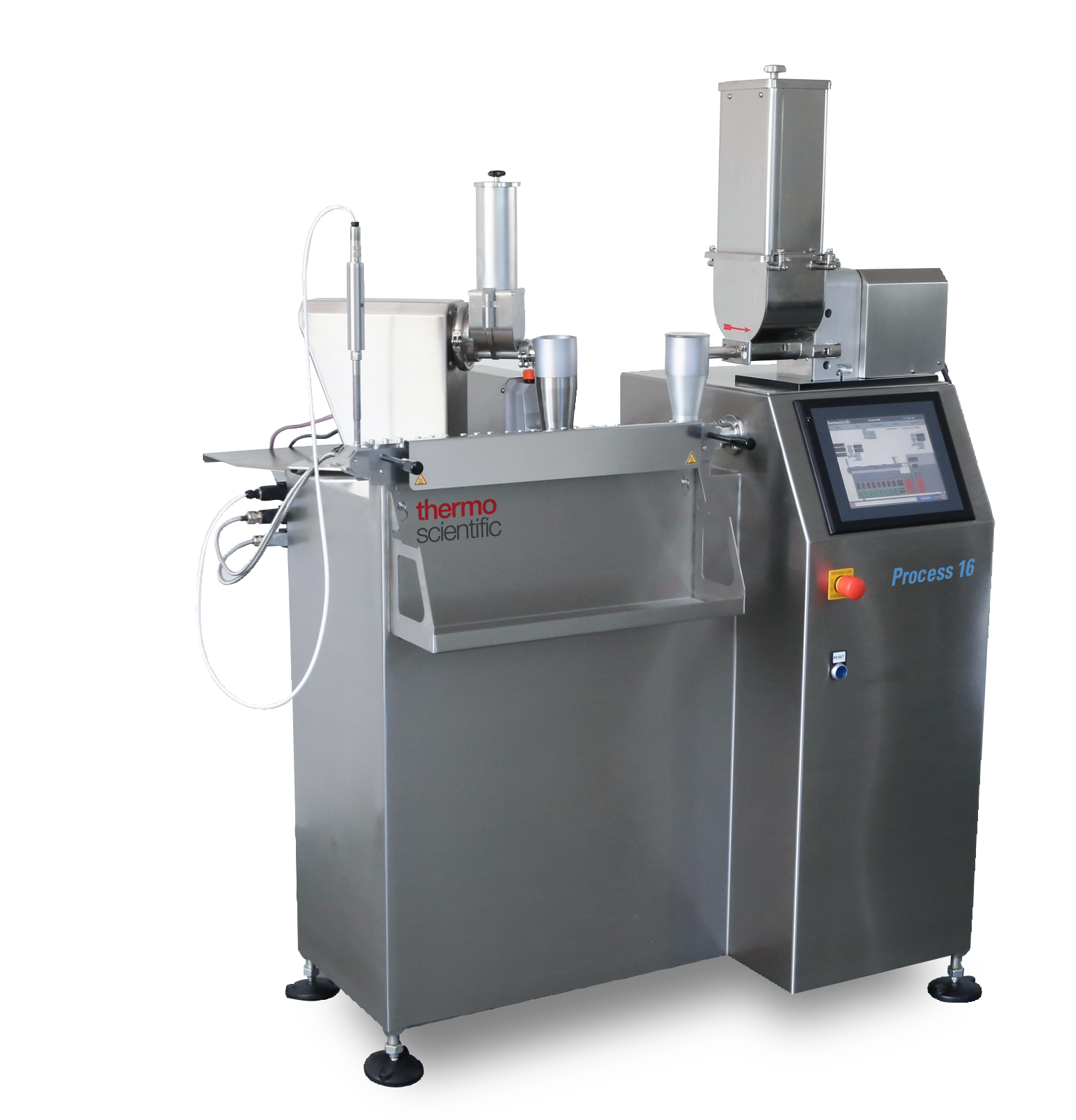
Thermo ScientificTM ProcessTM 16 Twin-screw Extruder. Image Credit: Thermo Fisher Scientific – Materials Characterization
How can filtration behavior differ between ABS and PP recyclates?
Julian Ungerer: Pressure is one of the most important indicators during melt filtration. Stable pressure generally indicates stable process conditions, while pressure increases or fluctuations can suggest higher contamination levels or filter blockage.
Different recyclates can behave very differently depending on their source and contamination profile. For example, ABS recyclate from used toolboxes may show moderate contamination and relatively stable filtration behavior, while PP recyclate from post-consumer household packaging waste can contain more fibrous and heterogeneous contamination.
Simon Welzmiller: These differences can often be seen using optical microscopy and then correlated with the pressure curves from the filtration process. This illustrates why different waste streams require different filtration strategies.
There is no universal filtration solution for recycling. Each filter configuration needs to be adapted to the specific characteristics of the feedstock, including the type, level, and distribution of contamination.
Click here to watch Analyze That episode 17 -
Turning Waste into Quality: A Smart Screening Approach for Optimizing Plastics Recycling
Why are rheology measurements important in plastics recycling?
Julian Ungerer: Rheology tells us how the polymer melt behaves during processing in an extruder or industrial process environment. It helps evaluate viscosity, elasticity, stability, and flow behavior in the processed material.
Viscosity is closely related to molecular structure, so rheological measurements can reveal changes in polymer architecture caused by degradation, chain splitting, branching, or cross-linking during processing. This is especially important in recycling because the polymer may already have undergone degradation during its previous life cycle.
Simon Welzmiller: In this study, the viscosity measurements showed that the polymer structure itself was largely unaffected by the filtration process. This was a positive finding because it indicated that the filtration process removed contaminants without significantly damaging the polymer matrix.
At the same time, changes in storage modulus indicated that some remaining contamination still influenced the flow behavior of the samples. This shows how sensitive rheology can be a quality control tool.
Why are EDX and XRD becoming increasingly important in plastics recycling?
Simon Welzmiller: Recycled plastics are far more complex than virgin materials. They often contain unknown fillers, additives, pigments, metals, mineral contamination, and other components. Because of this, recyclers need analytical techniques that can help identify what is actually present in the material.
Energy-dispersive X-ray fluorescence (EDX) is useful for elemental analysis. In principle, the sample is irradiated with X-rays, exciting the elements in the material. These elements then emit characteristic radiation, which can be detected and used as a fingerprint to identify and quantify the elements present.
In polymer materials, the matrix is mainly carbon and hydrogen. However, fillers and contaminants often contain elements such as iron, calcium, silicon, titanium, barium, or zinc. EDX therefore provides a quick way to carry out elemental analysis of recycling streams.
How does XRD add to the information provided by EDX?
Simon Welzmiller: EDX can identify which elements are present, but it doesn't provide the full picture. Even when the elemental composition is known, we still need to understand where those elements are located and how they are incorporated in the material.
For example, titanium could be present in different materials. Even titanium dioxide has different forms, such as rutile and anatase, and these can behave differently in polymers. X-ray diffraction, or XRD, works on crystalline materials and can identify these different crystalline phases.
Each material, such as quartz or calcite, produces a unique diffraction pattern. This makes it possible to identify materials even in complex mixtures such as recycling streams. The combination of EDX and XRD is powerful because EDX identifies the elements present, while XRD helps determine the compounds or crystalline phases those elements are part of.
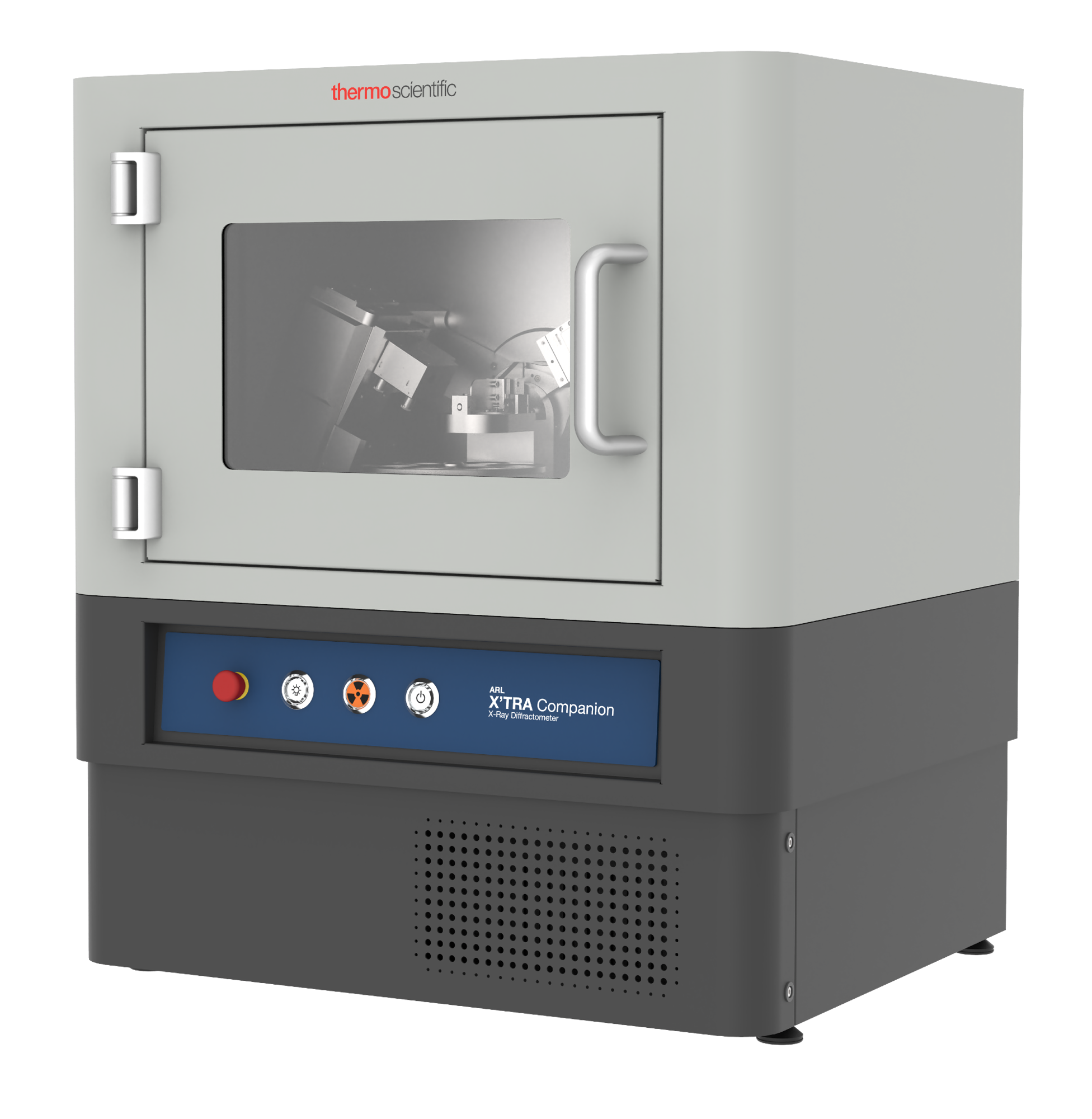
Thermo ScientificTM ARL X’TRA Companion X-ray Diffractometer. Image Credit: Thermo Fisher Scientific – Materials Characterization
Click here to watch Analyze That episode 17 -
Turning Waste into Quality: A Smart Screening Approach for Optimizing Plastics Recycling
How can lab-scale melt filtration and advanced analytics support the future of plastics recycling?
Simon Welzmiller: Lab-scale melt filtration combined with advanced analytics provides an efficient way to understand and optimize plastics recycling processes. From an analytical perspective, techniques such as extrusion, optical microscopy, XRF, and XRD can work together to give a more complete picture of contamination and material quality.
Julian Ungerer: From the processing perspective, lab-scale screening using the Process 16 parallel twin-screw extruder with the filtration die can significantly reduce development time, material consumption, and scale-up risk before industrial implementation.
More broadly, this reflects where advanced plastics recycling is heading. The industry needs smarter processing, deeper analytics, and more targeted materials upgrading, rather than simple waste reprocessing. These approaches will be important for producing high-quality recyclates that can compete with virgin materials in demanding applications and support a truly circular plastics economy.
Analyze That episode 17 - Turning Waste into Quality: A Smart Screening Approach for Optimizing Plastics Recycling
Turning Waste into Quality: A Smart Screening Approach for Optimizing Plastics Recycling
About Simon Welzmiller 
Dr. Simon Welzmiller is a Global Application Specialist XRD at Thermo Fisher Scientific, leading application strategy, market development, and commercial enablement for analytical instrumentation. He holds a doctorate in Solid State Chemistry from Universität Leipzig, plus an MSc in Chemistry.
About Julian Ungerer 
Dr. Julian Ungerer is an Application Specialist at Thermo Fisher Scientific, specializing in extrusion applications. He holds a Doctor of Engineering in Chemical Engineering, Process Engineering, and Materials Science, as well as master’s and bachelor’s degrees in Chemical Engineering and Process Engineering from Karlsruhe Institute of Technology.

This information has been sourced, reviewed, and adapted from materials provided by Thermo Fisher Scientific – Materials Characterization.
For more information on this source, please visit Thermo Fisher Scientific – Materials Characterization.
Disclaimer: The views expressed here are those of the interviewee and do not necessarily represent the views of AZoM.com Limited (T/A) AZoNetwork, the owner and operator of this website. This disclaimer forms part of the Terms and Conditions of use of this website.