Editorial Feature

What are the Effects of Sustainable Packaging on Shelf Life and Food Safety?

Food packaging is a multi-layered system designed to protect food, prevent contamination, and control environmental influences.1 Sustainable packaging, while environmentally beneficial, often compromises barrier properties necessary for shelf life compared to conventional plastics. However, advances in materials science, such as nanocomposite films, are addressing these limitations.

This article focuses on various advantages and limitations of sustainable food packaging and how it can balance environmental responsibility with product integrity.
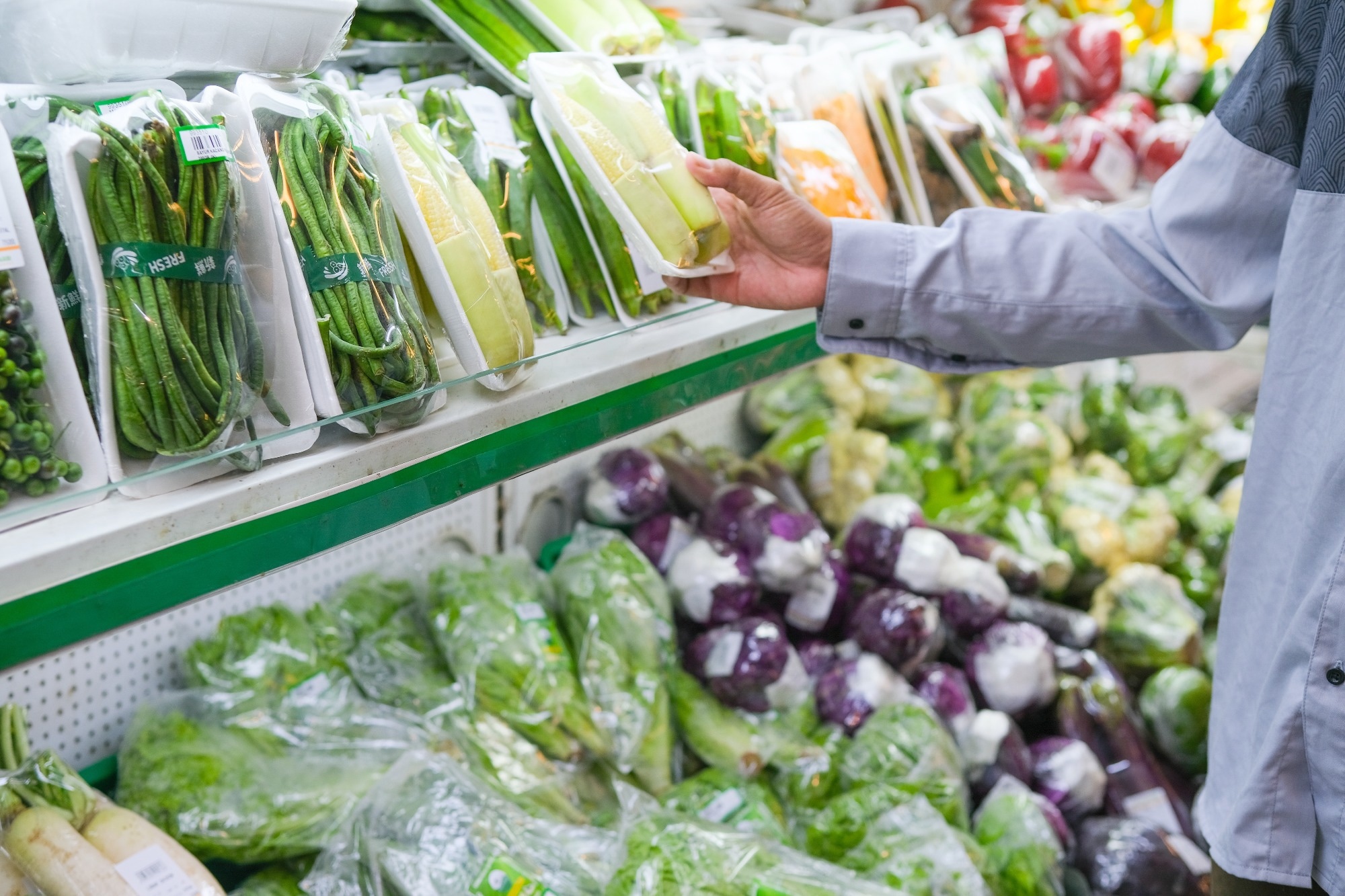
packaging, vegetable in a supermarket

Image Credit: Ahsan Creative/Shutterstock.con

The Shift Toward Eco-Friendly Food Packaging Solutions

Packaging plays a critical role in maintaining the quality and safety of foods and beverages throughout distribution, sales, and consumption.2 It extends shelf life, reduces food waste, and provides consumers with key information on ingredients, storage conditions, and environmental attributes.

Polymers such as polyethylene terephthalate (PET) and polyolefins have dominated packaging applications due to their customizable mechanical and thermal properties, corrosion resistance, light weight, and efficient manufacturing processes.2 As a result, packaging accounts for a significant share of total plastic use and has contributed to the dramatic increase in global plastic production over the past decades.

Over the years, concerns have emerged regarding the environmental impacts of plastic packaging, including resource depletion, greenhouse gas emissions, high water and energy use, and persistence in ecosystems. The growing issue of microplastics further complicates the environmental assessment of packaging systems.3

In response to these concerns, consumers seek sustainable food packaging alternatives to minimize the environmental impact of packaging. A recent packaging survey also documented consumers’ willingness to pay more for products with sustainable packaging. However, companies face challenges in balancing this demand with the need to maintain operational efficiency and ensure food quality throughout the supply chain.4

Want to save for later? Click here.

Integrating Sustainability in Food Packaging Design

Life cycle assessment should inform decision-making by evaluating the impacts of both products and packaging within real-world waste management systems.5 Research indicates that packaging typically accounts for only about 10 % of a food product's total energy footprint.

For foods with high environmental impacts, such as dairy and meat, minimizing food waste offers the greatest sustainability gains, while for fruits and vegetables, reducing packaging impact is often the most effective strategy.

To enhance packaging sustainability, manufacturers can implement several key strategies. Using recyclable materials supports a circular economy and reduces overall waste. Selecting biodegradable or compostable options enables packaging to naturally decompose, decreasing environmental impact. Minimizing packaging material also conserves resources without compromising product functionality or safety.

A circular economy for food packaging relies on recyclable, reusable, and safe materials, as well as efficient logistics and resource management. Achieving greater circularity requires public education, standardized labeling, and advanced sorting technologies.

The Shift Toward Eco-Friendly Food Packaging Solutions

Packaging plays a critical role in maintaining the quality and safety of foods and beverages throughout distribution, sales, and consumption.2 It extends shelf life, reduces food waste, and provides consumers with key information on ingredients, storage conditions, and environmental attributes.

Polymers such as polyethylene terephthalate (PET) and polyolefins have dominated packaging applications due to their customizable mechanical and thermal properties, corrosion resistance, light weight, and efficient manufacturing processes.2 As a result, packaging accounts for a significant share of total plastic use and has contributed to the dramatic increase in global plastic production over the past decades.

Over the years, concerns have emerged regarding the environmental impacts of plastic packaging, including resource depletion, greenhouse gas emissions, high water and energy use, and persistence in ecosystems. The growing issue of microplastics further complicates the environmental assessment of packaging systems.3

In response to these concerns, consumers seek sustainable food packaging alternatives to minimize the environmental impact of packaging. A recent packaging survey also documented consumers’ willingness to pay more for products with sustainable packaging. However, companies face challenges in balancing this demand with the need to maintain operational efficiency and ensure food quality throughout the supply chain.4

Integrating Sustainability in Food Packaging Design

Life cycle assessment should inform decision-making by evaluating the impacts of both products and packaging within real-world waste management systems.5 Research indicates that packaging typically accounts for only about 10 % of a food product's total energy footprint.

For foods with high environmental impacts, such as dairy and meat, minimizing food waste offers the greatest sustainability gains, while for fruits and vegetables, reducing packaging impact is often the most effective strategy.

To enhance packaging sustainability, manufacturers can implement several key strategies. Using recyclable materials supports a circular economy and reduces overall waste. Selecting biodegradable or compostable options enables packaging to naturally decompose, decreasing environmental impact. Minimizing packaging material also conserves resources without compromising product functionality or safety.

A circular economy for food packaging relies on recyclable, reusable, and safe materials, as well as efficient logistics and resource management. Achieving greater circularity requires public education, standardized labeling, and advanced sorting technologies.

Biodegradable Packaging Influences Food Quality and Shelf Life

Earlier generations of biodegradable packaging materials, primarily those derived from starch, cellulose, or polylactic acid (PLA), were characterized by high water vapor and oxygen permeability.6 These technical limitations resulted in inadequate protection against moisture and oxidative degradation processes, significantly accelerating staling, microbial growth, lipid oxidation, and overall quality deterioration in packaged foods.7 As a result, food safety became a serious concern, since increased microbial growth and faster spoilage raise the risk of foodborne illnesses and contamination.

Biodegradable packaging materials have had a notable impact on the shelf life of products such as bakery items, dairy products, and processed meats. Often, these materials reduce the shelf life of foods compared to conventional petroleum-based plastics, which offer superior barrier properties. In addition, early bioplastics typically lacked optimal flexibility and tensile strength, making packaged foods more vulnerable to physical damage and increasing the potential for compromised safety during storage and distribution.

Innovations Aiding Sustainability in Food Packaging

Advances in material science led to the development of improved bio-based composites and nanocomposites, in which the incorporation of nanofillers, such as nanoclay, cellulose nanocrystals, or chitosan nanoparticles, has significantly enhanced the barrier, mechanical, and, in some cases, antimicrobial properties of the packaging matrix.8

Recent research has shown that poly(3-hydroxybutyrate-co-3-hydroxyhexanoate) (PHBHHx) films reinforced with zinc oxide (ZnO) nanoparticles are a promising alternative to conventional packaging.9 These films offer a combination of flexibility, biodegradability, and robust processing characteristics. The incorporation of ZnO nanoparticles enhanced mechanical stiffness and thermal stability, improved oxygen-barrier and antimicrobial properties, and provided strong ultraviolet (UV) shielding. These features provide the active-preservation capabilities of PHBHHx-ZnO films, making them well-suited for chilled food applications.

Research demonstrates that using PHBHHx-ZnO films for seafood storage can increase storage time from 6–8 days to 12–16 days, with similar benefits observed for meat and dairy products. These improvements arise from nanoparticle–polymer interactions that boost crystallinity, limit polymer mobility, and stabilize film microstructures. PHBHHx-ZnO bionanocomposites present a promising pathway toward safe, active, and sustainable packaging systems.

While research innovations and technical advancements have enabled more effective food preservation and extended shelf life, narrowing the performance gap with traditional plastics, the widespread commercial adoption of advanced biodegradable materials remains limited. Key challenges include high production costs, scalability issues, regulatory hurdles, and the need for comprehensive life-cycle assessments to confirm their overall environmental benefits.

Future Pathways for Sustainable Packaging

Compostable bioplastics require access to industrial composting facilities; without proper infrastructure and disposal practices, their environmental advantages may be lost. Mislabeling, limited facility availability, and inadequate sorting can contribute to pollution and the formation of microplastics. Ensuring true sustainability requires the consistent application of green chemistry principles and comprehensive safety testing of new materials throughout their lifecycle.10

Consumer perceptions of packaging vary, with some individuals underestimating its essential role in protecting and preserving products. Persistently high costs remain a significant barrier to the widespread adoption of sustainable packaging. Therefore, developing strategies to lower costs can enhance accessibility and foster wider acceptance of sustainable options.

Achieving sustainable packaging solutions demands a systems-based approach that addresses the entire supply chain, product lifecycle, and end-of-life processes. Looking ahead, progress in sustainable packaging will depend on collaboration among scientists, industry leaders, policymakers, and consumers. Accelerating the development of closed-loop systems, advanced materials, and scalable composting and recycling infrastructure will be essential for genuine sustainability. These advancements can significantly reduce waste, minimize environmental impact, and support a circular economy for packaging materials.

Biodegradable Packaging Influences Food Quality and Shelf Life

Earlier generations of biodegradable packaging materials, primarily those derived from starch, cellulose, or polylactic acid (PLA), were characterized by high water vapor and oxygen permeability.6 These technical limitations resulted in inadequate protection against moisture and oxidative degradation processes, significantly accelerating staling, microbial growth, lipid oxidation, and overall quality deterioration in packaged foods.7 As a result, food safety became a serious concern, since increased microbial growth and faster spoilage raise the risk of foodborne illnesses and contamination.

Biodegradable packaging materials have had a notable impact on the shelf life of products such as bakery items, dairy products, and processed meats. Often, these materials reduce the shelf life of foods compared to conventional petroleum-based plastics, which offer superior barrier properties. In addition, early bioplastics typically lacked optimal flexibility and tensile strength, making packaged foods more vulnerable to physical damage and increasing the potential for compromised safety during storage and distribution.

Innovations Aiding Sustainability in Food Packaging

Advances in material science led to the development of improved bio-based composites and nanocomposites, in which the incorporation of nanofillers, such as nanoclay, cellulose nanocrystals, or chitosan nanoparticles, has significantly enhanced the barrier, mechanical, and, in some cases, antimicrobial properties of the packaging matrix.8

Recent research has shown that poly(3-hydroxybutyrate-co-3-hydroxyhexanoate) (PHBHHx) films reinforced with zinc oxide (ZnO) nanoparticles are a promising alternative to conventional packaging.9 These films offer a combination of flexibility, biodegradability, and robust processing characteristics. The incorporation of ZnO nanoparticles enhanced mechanical stiffness and thermal stability, improved oxygen-barrier and antimicrobial properties, and provided strong ultraviolet (UV) shielding. These features provide the active-preservation capabilities of PHBHHx-ZnO films, making them well-suited for chilled food applications.

Research demonstrates that using PHBHHx-ZnO films for seafood storage can increase storage time from 6–8 days to 12–16 days, with similar benefits observed for meat and dairy products. These improvements arise from nanoparticle–polymer interactions that boost crystallinity, limit polymer mobility, and stabilize film microstructures. PHBHHx-ZnO bionanocomposites present a promising pathway toward safe, active, and sustainable packaging systems.

While research innovations and technical advancements have enabled more effective food preservation and extended shelf life, narrowing the performance gap with traditional plastics, the widespread commercial adoption of advanced biodegradable materials remains limited. Key challenges include high production costs, scalability issues, regulatory hurdles, and the need for comprehensive life-cycle assessments to confirm their overall environmental benefits.

Future Pathways for Sustainable Packaging

Compostable bioplastics require access to industrial composting facilities; without proper infrastructure and disposal practices, their environmental advantages may be lost. Mislabeling, limited facility availability, and inadequate sorting can contribute to pollution and the formation of microplastics. Ensuring true sustainability requires the consistent application of green chemistry principles and comprehensive safety testing of new materials throughout their lifecycle.10

Consumer perceptions of packaging vary, with some individuals underestimating its essential role in protecting and preserving products. Persistently high costs remain a significant barrier to the widespread adoption of sustainable packaging. Therefore, developing strategies to lower costs can enhance accessibility and foster wider acceptance of sustainable options.

Achieving sustainable packaging solutions demands a systems-based approach that addresses the entire supply chain, product lifecycle, and end-of-life processes. Looking ahead, progress in sustainable packaging will depend on collaboration among scientists, industry leaders, policymakers, and consumers. Accelerating the development of closed-loop systems, advanced materials, and scalable composting and recycling infrastructure will be essential for genuine sustainability. These advancements can significantly reduce waste, minimize environmental impact, and support a circular economy for packaging materials.

References and Future Readings

  1. Turan D, et al. Food packaging technology considerations for designers: Attending to food, consumer, manufacturer, and environmental issues. Compr Rev Food Sci Food Saf. 2024; 23(6), e70058. https://doi.org/10.1111/1541-4337.70058
  2. Arfelli F, et al. Environmental impacts of food packaging: Is it all a matter of raw materials? Sustain Prod Consum. 2024; 49, 318-328. https://doi.org/10.1016/j.spc.2024.06.032
  3. Jiao H, et al. A critical review on plastic waste life cycle assessment and management: Challenges, research gaps, and future perspectives. Ecotoxicol Environ Saf. 2025; 271, 115942. https://doi.org/10.1016/j.ecoenv.2024.115942
  4. Herbes C, et al. Company views of consumers regarding sustainable packaging. Sustain Prod Consum. 2024; 52, 136-150. https://doi.org/10.1016/j.spc.2024.10.018
  5. Bher A, Auras R. Life cycle assessment of packaging systems: A meta-analysis to evaluate the root of consistencies and discrepancies. J Clean Prod. 2024; 476, 143785. https://doi.org/10.1016/j.jclepro.2024.143785
  6. Abe MM, et al. Advantages and Disadvantages of Bioplastics Production from Starch and Lignocellulosic Components. Polymers (Basel). 2021;13(15):2484. doi: 10.3390/polym13152484
  7. Chandra DK, et al. Advanced nano-enhanced bioplastics for smart food packaging: Enhancing functionalities and sustainability. Clean Circ Bioeconomy. 2025; 10, 100140. https://doi.org/10.1016/j.clcb.2025.100140
  8. Yadav V, et al. Exploring nanofillers: Enhancing properties in biopolymer food packaging materials - A comprehensive review. Environ Pollut Manag. 2025;2, 256-270. https://doi.org/10.1016/j.epm.2025.05.002
  9. Nahar L, Sarker S. Active Bio-Packaging with PHBHHx-ZnO Bionanocomposites: Advancing Food Safety and Shelf-Life. Front Nutr. 2026; 13, 1789448. doi.org/10.3389/fnut.2026.1789448
  10. Lackner M, Mukherjee A, Koller M. What Are "Bioplastics"? Defining Renewability, Biosynthesis, Biodegradability, and Biocompatibility. Polymers (Basel). 2023;15(24):4695. doi: 10.3390/polym15244695

Disclaimer: The views expressed here are those of the author expressed in their private capacity and do not necessarily represent the views of AZoM.com Limited T/A AZoNetwork the owner and operator of this website. This disclaimer forms part of the Terms and conditions of use of this website.

Dr. Priyom Bose

Written by

Dr. Priyom Bose

Priyom holds a Ph.D. in Plant Biology and Biotechnology from the University of Madras, India. She is an active researcher and an experienced science writer. Priyom has also co-authored several original research articles that have been published in reputed peer-reviewed journals. She is also an avid reader and an amateur photographer.

Citations

Please use one of the following formats to cite this article in your essay, paper or report:

  • APA

    Bose, Priyom. (2026, March 09). What are the Effects of Sustainable Packaging on Shelf Life and Food Safety?. AZoCleantech. Retrieved on March 09, 2026 from https://www.azocleantech.com/article.aspx?ArticleID=2100.

  • MLA

    Bose, Priyom. "What are the Effects of Sustainable Packaging on Shelf Life and Food Safety?". AZoCleantech. 09 March 2026. <https://www.azocleantech.com/article.aspx?ArticleID=2100>.

  • Chicago

    Bose, Priyom. "What are the Effects of Sustainable Packaging on Shelf Life and Food Safety?". AZoCleantech. https://www.azocleantech.com/article.aspx?ArticleID=2100. (accessed March 09, 2026).

  • Harvard

    Bose, Priyom. 2026. What are the Effects of Sustainable Packaging on Shelf Life and Food Safety?. AZoCleantech, viewed 09 March 2026, https://www.azocleantech.com/article.aspx?ArticleID=2100.

Tell Us What You Think

Do you have a review, update or anything you would like to add to this article?

Leave your feedback
Your comment type
Submit

While we only use edited and approved content for Azthena answers, it may on occasions provide incorrect responses. Please confirm any data provided with the related suppliers or authors. We do not provide medical advice, if you search for medical information you must always consult a medical professional before acting on any information provided.

Your questions, but not your email details will be shared with OpenAI and retained for 30 days in accordance with their privacy principles.

Please do not ask questions that use sensitive or confidential information.

Read the full Terms & Conditions.