A pilot initiative in Metro Vancouver is shedding new light on the recovery and recycling potential of construction-phase plastics, identifying packaging films, wraps, and protective materials as one of the clearest near-term opportunities for advancing circular economy practices in the building sector.
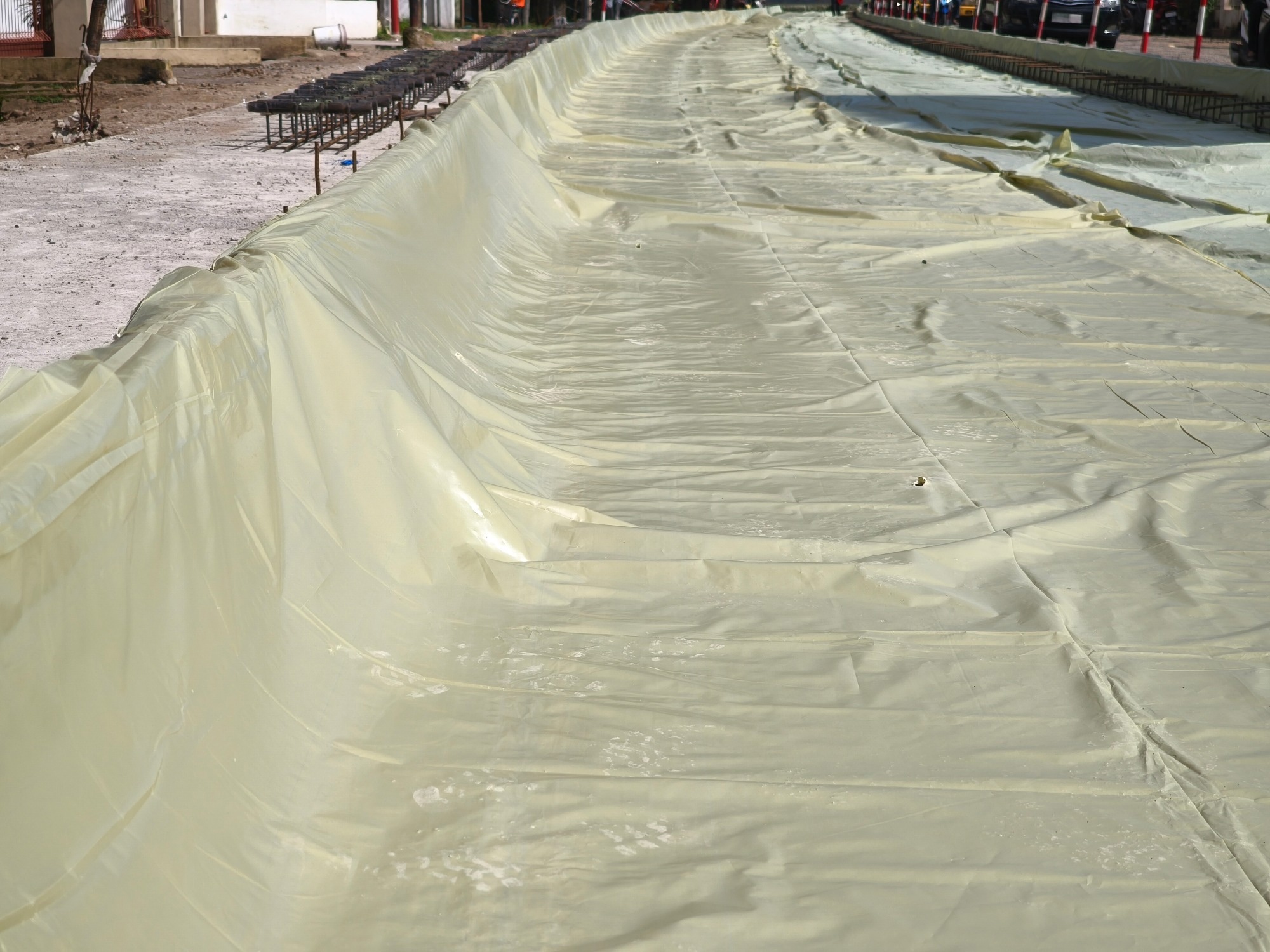
Image Credit: OmJee_144/Shutterstock.com
The research comes from the Construction Plastics Initiative (CPI), a 14-month pilot led by Light House Sustainability Society that examined how plastics move through construction sites and whether they can realistically be recycled back into manufacturing streams. Rather than relying solely on estimates or modeling, the initiative followed plastics from job sites through hauling, sorting, processing, and manufacturing trials to test how a circular recovery system could work in practice.
The study ultimately found that 77 % of the plastics collected during the pilot were recyclable. At the same time, it revealed just how difficult plastic recovery can be once contamination, inconsistent handling practices, and limited recycling infrastructure are a factor.
Construction Plastics Escape Attention
Compared with materials such as concrete, wood, or steel, plastics generated during construction have received relatively little attention within waste diversion efforts.
Yet the sector uses plastics extensively. According to the report, construction-related products accounted for 22.3 % of all plastics introduced into the Canadian market in 2021, excluding packaging. Many of these materials appear only briefly on site before becoming waste. These include:
- Shrink wrap protecting mass timber deliveries
- Pallet strapping
- Poly sheeting
- PVC piping
- Insulation packaging
- Geotextile fabrics
Because these plastics are often mixed into general construction debris, they tend to disappear into waste streams before anyone tracks what happens to them. This lack of visibility makes it challenging for the industry to understand how much material could be recovered.
CPI tests whether construction plastics could move through a functional circular economy system involving collection, transportation, sorting, processing, and manufacturing reuse.
Following Plastics Through the Recovery Chain
The pilot operated across eight construction projects in Metro Vancouver, including institutional buildings, commercial tenant improvements, and infrastructure work. Researchers monitored plastics generated during different construction stages and tracked how those materials moved through the recovery process.
Across the participating sites, the initiative collected 77 loads of construction-derived plastics representing more than 38 tons of material. Of the 34,268 kg sent for sorting, 29,319 kg was ultimately classified as recyclable.
Click here to download a free PDF copy of this page
Flexible polyethylene films quickly emerged as the dominant recoverable stream. Clear poly sheeting, shrink wrap, lumber wrap, and protective packaging appeared repeatedly across projects, particularly on mass timber sites where large building components arrived heavily wrapped for protection during transport and storage.
Polypropylene products also featured prominently, especially geotextile fabrics, surface protection materials, and packaging products. PVC contributed a significant amount by weight, largely because of piping and fittings used during structural and servicing phases.
One of the report’s clearest conclusions is that construction packaging plastics may represent the most immediate opportunity for large-scale recovery systems. These materials are generated in high volumes, often arrive relatively clean, and can be separated more easily than mixed demolition waste.
Site Conditions Heavily Influenced Recycling Outcomes
Although the pilot achieved strong diversion results, the study finds that successful plastics recovery depends heavily on what happens onsite.
Contamination averaged roughly 21 % by weight across participating projects. Mud, gravel, cardboard, wood waste, tape, and adhesive residues frequently found their way into plastic loads, reducing the quality of material available for recycling.
The construction phase itself often shaped recovery performance. Early excavation and foundation work created particularly difficult conditions because plastics were routinely exposed to dirt, moisture, and heavy equipment traffic. In several cases, mechanical loading practices worsened the problem by mixing recyclable plastics with other debris during collection and transport.
The contrast between sites was notable. Projects with clear signage, visible collection bins, regular workforce communication, and stronger site leadership generally produced cleaner loads and higher-quality material. Where recycling systems were harder to access or poorly integrated into daily site routines, contamination rates increased significantly.
Rather than pointing to worker confusion as the main issue, the report suggests that convenience and site logistics play a much larger role in determining whether plastics are successfully separated.
Recycling Plastics Back into Construction Products
Beyond collection and sorting, the initiative also explored whether construction-derived plastics could successfully return to the manufacturing stream.
Selected LDPE and polypropylene materials moved through mechanical recycling processes that included shredding, extrusion, pelletizing, and material performance testing. The recycled feedstock was then incorporated into new construction-sector products through partnerships with Ocean Legacy Foundation, Plascon Plastics, and InfinaTec.
One manufacturing application involved InfinaNet™, a construction void technology produced via injection molding.
The trials demonstrated that plastics recovered from construction sites can be reused in commercial products, though processors encountered several operational challenges along the way. Flexible films behaved differently from conventional rigid plastic feedstocks during shredding and extrusion, while contaminants such as staples, adhesive tape, and mixed-material products complicated processing.
Manufacturers also emphasized that feedstock consistency remains essential. Even small variations in contamination or resin composition can affect processing stability and product performance.
Still, the pilot showed that viable recycling pathways already exist for several major construction plastic streams, particularly when materials are collected cleanly and sorted effectively at the source.
A Broader Systems Challenge for the Construction Sector
The report ultimately frames construction plastics as more than a recycling issue alone. Building a circular system, researchers argue, will require coordination across the entire value chain, from product manufacturers and contractors to haulers, processors, and policymakers.
Technical recyclability is only part of the challenge. In practice, decisions about whether plastics are recycled or discarded are shaped by economics, site logistics, available infrastructure, labor demands, and the strength of downstream markets for recycled materials.
The study also highlights how poorly tracked plastics remain within construction waste systems compared with other materials. To improve accountability, CPI developed a centralized tracking framework that records material quantities, contamination levels, hauling costs, labor inputs, and resin composition throughout the recovery chain. Researchers suggest similar systems could eventually support reporting requirements under Canada’s future Federal Plastics Registry.
While the pilot was not intended to represent the entire construction sector, the findings point to a significant untapped opportunity. Cleaner packaging plastics, especially films, wraps, and protective materials, may offer one of the most practical entry points for expanding circular economy strategies within the construction industry.
Want to save for later? Click here.
Reference
Coulter, M. et al. (2026). Construction Plastics Initiative: Findings from a pilot study examining the recovery, recycling, and circular potential of construction-phase plastics in Metro Vancouver. Light House Sustainability Society. https://d12v9rtnomnebu.cloudfront.net/paychek/lh-cpi-report-042726.pdf
Disclaimer: The views expressed here are those of the author expressed in their private capacity and do not necessarily represent the views of AZoM.com Limited T/A AZoNetwork the owner and operator of this website. This disclaimer forms part of the Terms and conditions of use of this website.