*Important notice: This news reports on an unedited version of an accepted paper and is awaiting final editing. Therefore, the paper should not be regarded as conclusive or treated as established information.
Hospitals could soon keep the lights on with the power of the sun - and a little help from AI. Researchers have unveiled a cutting-edge renewable energy system that combines solar power, hydrogen storage, and oxygen production to deliver a steady, sustainable energy supply for healthcare facilities. By using artificial intelligence to optimize performance in real time, the technology is designed to slash reliance on the grid while ensuring critical hospital operations never lose power.
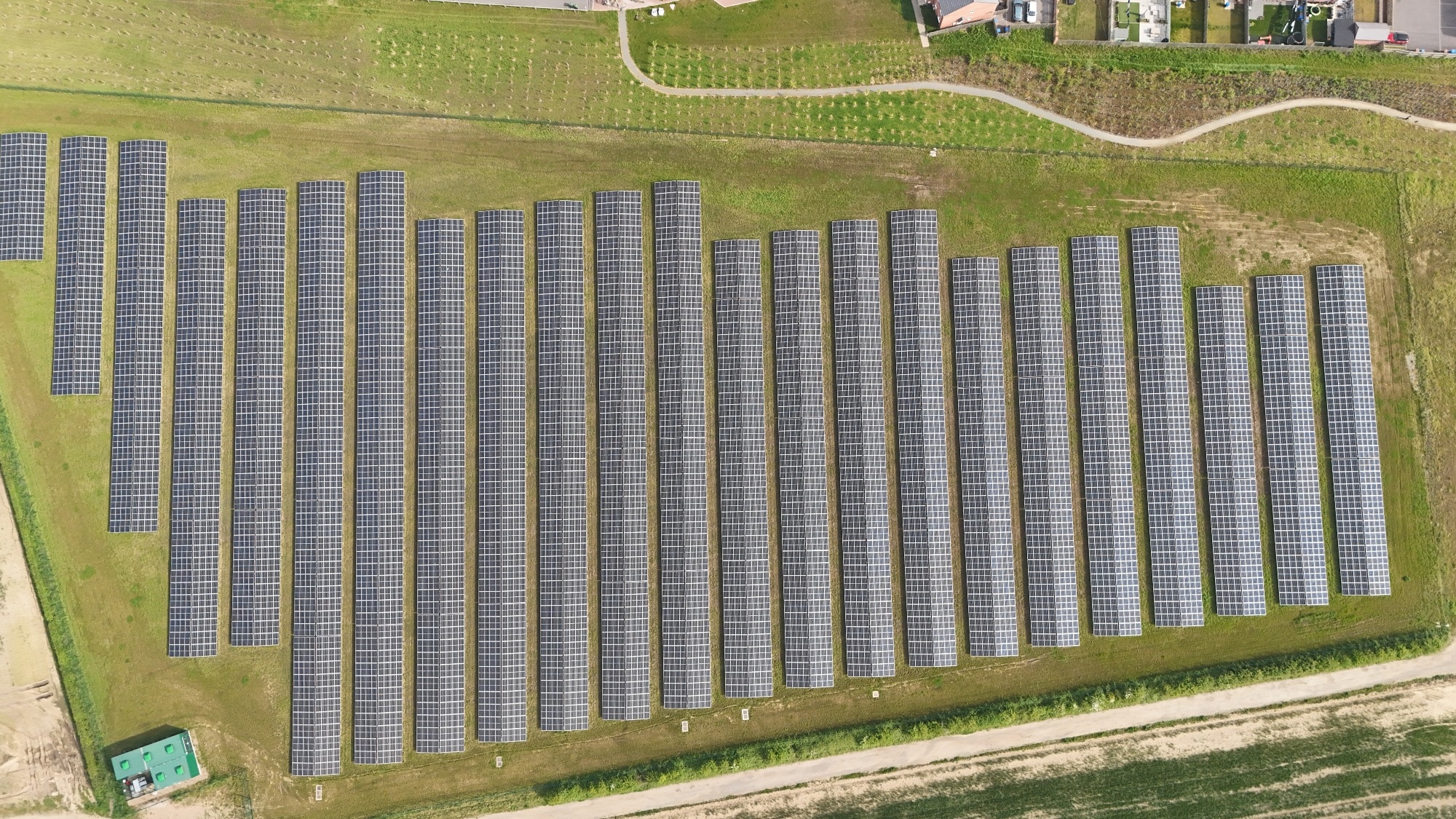
Study: AI-driven optimization of integrated solar systems for hydrogen production and building energy supply. Mike Seaman/Shutterstock.com
Bridging Energy Reliability and Sustainability in Hospitals
The building sector accounts for a significant share of global energy consumption and carbon emissions. Hospitals, in particular, require continuous and highly reliable power, making them among the most energy-intensive facilities.
The intermittent nature of solar energy limits its ability to meet hospital demands independently, creating a persistent gap between energy supply and demand.
Previous studies have explored hybrid energy systems that combine solar power with batteries or hydrogen storage. While these systems improve efficiency and reduce emissions, most approaches focus on system sizing or static optimization. They often overlook real-time control and dynamic operation, which are critical for ensuring reliability in healthcare settings.
This study addresses this limitation by developing an integrated solar–hydrogen energy system with AI-driven optimization. The system combines photovoltaic panels, an electrolyzer, hydrogen storage, and a fuel cell within a unified framework. A supervisory control algorithm manages energy flows in real time, prioritizing solar utilization while maintaining system stability and reliability. The design aims to minimize costs, reduce emissions, and enhance energy resilience.
The results show that the system improves overall energy performance and enables the co-production of medical oxygen during hydrogen generation. This additional capability increases its value for healthcare applications. Overall, the study demonstrates how intelligent energy management can support the transition toward near-zero energy hospitals.
Simulation, AI Optimization, and System Design
The study adopts a comprehensive simulation-based framework to ensure accurate and consistent system evaluation. It integrates building energy modeling, renewable energy system simulation, and advanced optimization techniques within a unified workflow. The process begins with the development of a hospital building model using OpenStudio and EnergyPlus, following U.S. Department of Energy standards.
The model captures detailed energy demand profiles, including heating, ventilation, and air conditioning (HVAC) operations, medical equipment loads, and occupancy patterns. It represents a multi-floor hospital and calculates hourly energy demand over an entire year to reflect realistic operating conditions.
The renewable energy system is then modeled using Transient System Simulation (TRNSYS). It includes photovoltaic panels, an electrolyzer, hydrogen storage tanks, a fuel cell, and oxygen storage units. Solar energy serves as the primary power source during daylight hours. The system converts excess electricity into hydrogen through electrolysis and stores it for later use. When solar generation drops, the fuel cell converts the stored hydrogen back into electricity to maintain a continuous energy supply.
A supervisory control algorithm governs system operation. It prioritizes direct solar usage, then hydrogen storage, and finally grid electricity as a backup. For optimization, the study generates a dataset using Sobol sampling combined with TRNSYS simulations. An artificial neural network is trained as a surrogate model to predict system performance. A genetic algorithm then identifies optimal configurations that balance cost, carbon emissions, and system reliability.
Click here to download a free PDF copy of this page
Performance, Efficiency, and Energy Balance
The integrated system performs strongly under Beijing’s climate conditions. The study validates the model using existing research and experimental data, with photovoltaic performance deviation remaining below 4 %, which confirms its reliability. The system significantly reduces dependence on the grid. Photovoltaic panels supply around 45.22 % of total electricity demand, while hydrogen storage contributes 32.84 %. The grid accounts for only 21.94 %, meaning the system meets over 78 % of the hospital’s energy demand through renewable sources.
Seasonal variations strongly influence system performance. Solar generation peaks in summer due to higher radiation and longer daylight hours, while it declines sharply in winter. Hydrogen storage compensates for this fluctuation by supplying stored energy, ensuring a continuous and stable power supply even during low solar periods. The system also responds effectively to changing energy demand. Electricity consumption rises in summer due to increased cooling needs and decreases in winter when alternative heating sources are used. The hybrid configuration manages these fluctuations efficiently and maintains system stability.
In addition to energy supply, the system delivers a valuable healthcare benefit through oxygen production. The electrolyzer generates medical-grade oxygen alongside hydrogen, enabling the production of thousands of oxygen cylinders annually.
The optimization results highlight the advantages of AI-based control. The optimized configuration includes a large number of photovoltaic panels along with properly sized electrolyzer and fuel cell units. This setup minimizes operational costs and achieves significant CO2 reductions, estimated at around 2000 tons per year. Overall, the findings demonstrate that combining solar energy, hydrogen storage, and AI-driven optimization creates a reliable, efficient, and sustainable energy solution for hospital applications.
Toward Near-Zero Energy Hospitals with AI and Hydrogen
This study highlights the strong potential of integrated solar–hydrogen systems for healthcare applications. The combination of photovoltaic generation, hydrogen storage, and intelligent control creates a resilient and reliable energy solution. It reduces dependence on fossil fuels and significantly lowers carbon emissions.
A key contribution of the study lies in its use of AI-driven optimization. By integrating neural networks with genetic algorithms, the approach overcomes the limitations of traditional simulation methods. It enables faster system design, improved accuracy, and effective real-time decision-making.
The system also adds value through the production of medical oxygen. The electrolyzer generates oxygen alongside hydrogen, improving hospital self-sufficiency and supporting critical healthcare services. This capability becomes especially important during emergencies or supply disruptions.
This research supports the transition toward sustainable buildings and low-carbon infrastructure. It demonstrates how advanced energy systems can be applied in critical facilities such as hospitals. In conclusion, AI-optimized solar–hydrogen systems provide a promising pathway toward near-zero energy hospitals. They enhance energy security, reduce environmental impact, and strengthen healthcare resilience.
Journal Reference
Li, Z., Ahmed, Z., et al. (2026). AI-driven optimization of integrated solar systems for hydrogen production and building energy supply. Scientific Reports. DOI: 10.1038/S41598-026-49520-0 https://www.nature.com/articles/s41598-026-49520-0
Disclaimer: The views expressed here are those of the author expressed in their private capacity and do not necessarily represent the views of AZoM.com Limited T/A AZoNetwork the owner and operator of this website. This disclaimer forms part of the Terms and conditions of use of this website.