Researchers in Germany have taken a major step toward making green hydrogen commercially viable, unveiling a solar-powered system that converts sunlight into hydrogen fuel with a record-breaking 31.3 % efficiency under real outdoor conditions.
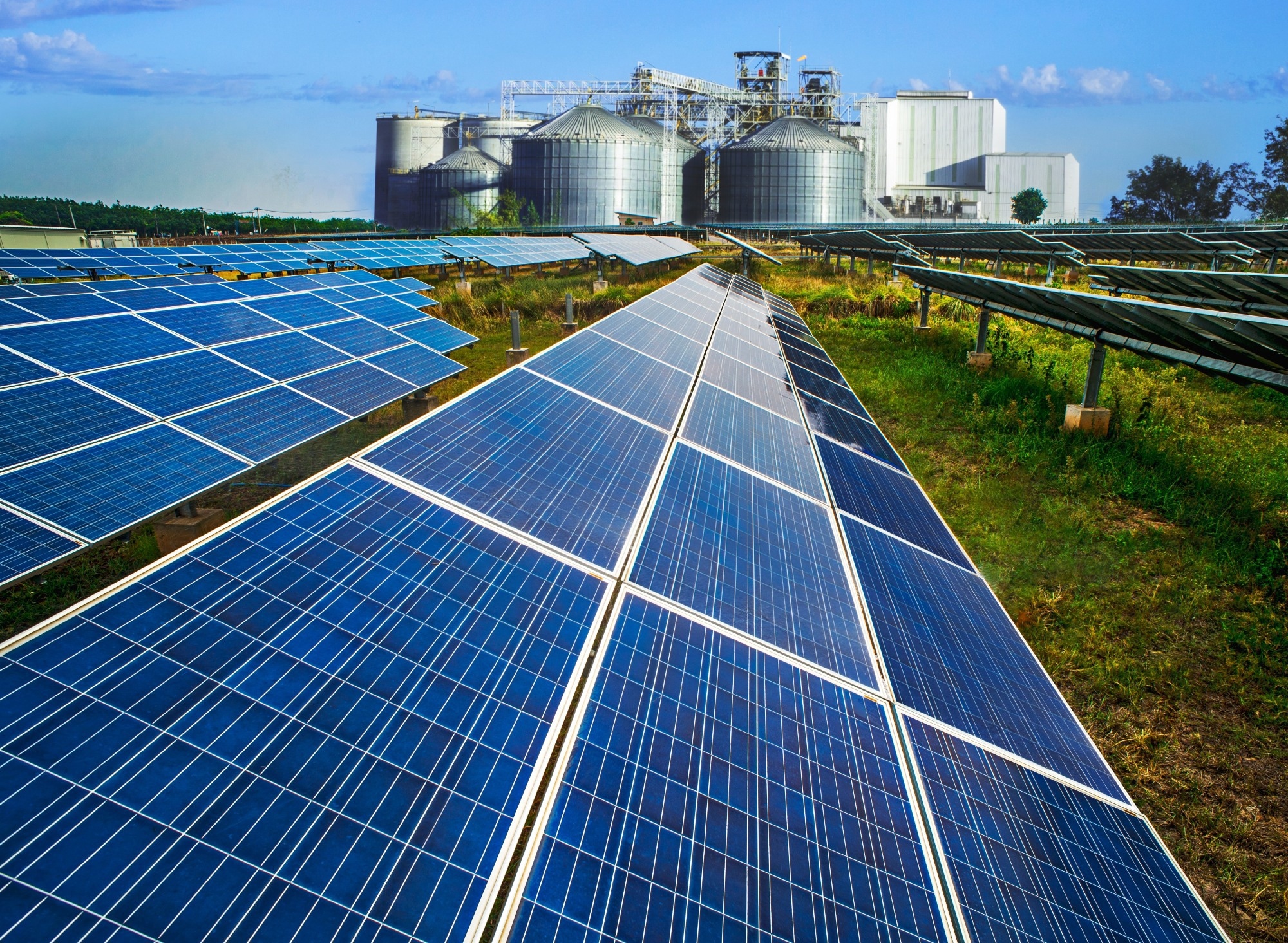
Study: Photovoltaic water electrolysis reaching 31.3% solar-to-H2 conversion efficiency under outdoor operating conditions. Image Credit: PitukTV/Shutterstock.com
Published in Communications Engineering, the breakthrough addresses how to produce clean hydrogen efficiently enough to compete with fossil-fuel-based alternatives. This is one of the biggest challenges facing the hydrogen economy.
Scientists have explored “solar hydrogen” for many years. The technology uses sunlight to split water into hydrogen and oxygen without producing carbon emissions. In theory, the approach offers a clean solution. Hydrogen can store renewable energy, support heavy industry, power transport, and help stabilize electricity grids. In practice, however, the technology has been held back by low efficiencies, high costs, and systems that perform well in laboratories but lose effectiveness outdoors.
Solar Hydrogen in the Real World
The study, led by J. F. Martínez and J. Ohlmann, reports a compact integrated module that combines advanced solar cells with water electrolysis technology. Tested on a dual-axis solar tracker in Freiburg, Germany, the system maintained strong performance under natural sunlight, heat fluctuations, and changing weather conditions.
Many previous studies have reached around 30 % solar-to-hydrogen efficiency only in carefully controlled laboratory settings. In real-world conditions, most practical systems have fallen well below 20 %.
The new module crossed the 30 % threshold outdoors and did so with a design the researchers say could eventually be scaled for industrial use.
At the center of the system is a sophisticated photovoltaic setup. Instead of conventional silicon panels, the team used four-junction concentrator photovoltaic cells, or 4J CPV cells, which capture a broader portion of the solar spectrum. Sunlight is concentrated roughly 226 times with Fresnel lenses before reaching the cells, increasing the amount of energy collected from a relatively small surface area.
That setup generates more than 4 volts, comfortably above the energy needed to split water molecules.
The electricity is then supplied directly to two polymer electrolyte membrane, or PEM, electrolysis cells mounted on the back of the solar assembly. These cells use iridium and platinum catalysts to separate water into hydrogen and oxygen with very high efficiency.
The most notable innovation may be the system’s use of heat. In most solar technologies, excess heat is a drawback because high temperatures reduce photovoltaic performance. Here, the researchers redirected waste heat from the solar cells into the electrolysis process itself.
The module transferred thermal energy into the incoming water, heating it from ambient temperature to around 60 °C before electrolysis began. Because warmer water requires less electrical energy to split, the system effectively reused its own waste heat, improving efficiency.
Want to save for later? Click here.
The approach created tight electrical, thermal, and fluidic integration, with the different parts of the system working together rather than separately.
Even under concentrated sunlight and operating temperatures above 70 °C, the module remained stable. The electrolysis cells achieved Faraday efficiencies of about 97.4 %, meaning nearly all the electrical current went directly into hydrogen production rather than being lost to side reactions. Hydrogen purity also remained high during operation at industrially relevant current densities above 1 A/cm².
Solar Hydrogen: Practical Application is Closer
The findings suggest the technology is moving beyond proof of concept and closer to practical application.
That could matter for the economics of green hydrogen. Most hydrogen today is still produced from fossil fuels through steam methane reforming, a process that generates significant carbon dioxide emissions. Green hydrogen produced with renewable electricity remains more expensive in many markets.
Efficiency is crucial because it directly affects cost. The more solar energy that can be converted into usable hydrogen, the smaller and cheaper future systems can become.
The researchers also say their modular design could make scaling easier. Unlike highly specialized lab prototypes, the photovoltaic and electrolysis components were fabricated separately and assembled onsite, potentially making manufacturing and deployment more flexible.
Green hydrogen is increasingly seen as an important part of long-term decarbonization efforts, especially in sectors that are difficult to electrify directly. Heavy industry, steelmaking, shipping, aviation, and seasonal energy storage are all expected to rely on hydrogen or hydrogen-derived fuels to meet net-zero targets.
Still, the field faces skepticism over efficiency losses and infrastructure costs.
This study will not solve those problems overnight. The system still depends on advanced multi-junction semiconductor materials and precious metal catalysts, which are expensive compared with conventional solar technologies. Scaling the 64 cm² demonstrator into industrial hydrogen production will also bring engineering and economic challenges.
Even so, the research represents one of the clearest demonstrations yet that direct solar hydrogen production can achieve efficiencies once considered unrealistic outside the lab.
Most importantly, it suggests solar hydrogen systems may not have to choose between high efficiency and real-world performance.
Reference
Martínez J.F., Ohlmann J., et al. (2026). Photovoltaic water electrolysis reaching 31.3% solar-to-H2 conversion efficiency under outdoor operating conditions. Communications Engineering 5, 78. DOI: 10.1038/s44172-026-00610-x, https://www.nature.com/articles/s44172-026-00610-x