Researchers have tested novel cooling techniques that could boost the performance and durability of solar photovoltaic panels in hot, arid regions, according to a new study published in Scientific Reports.
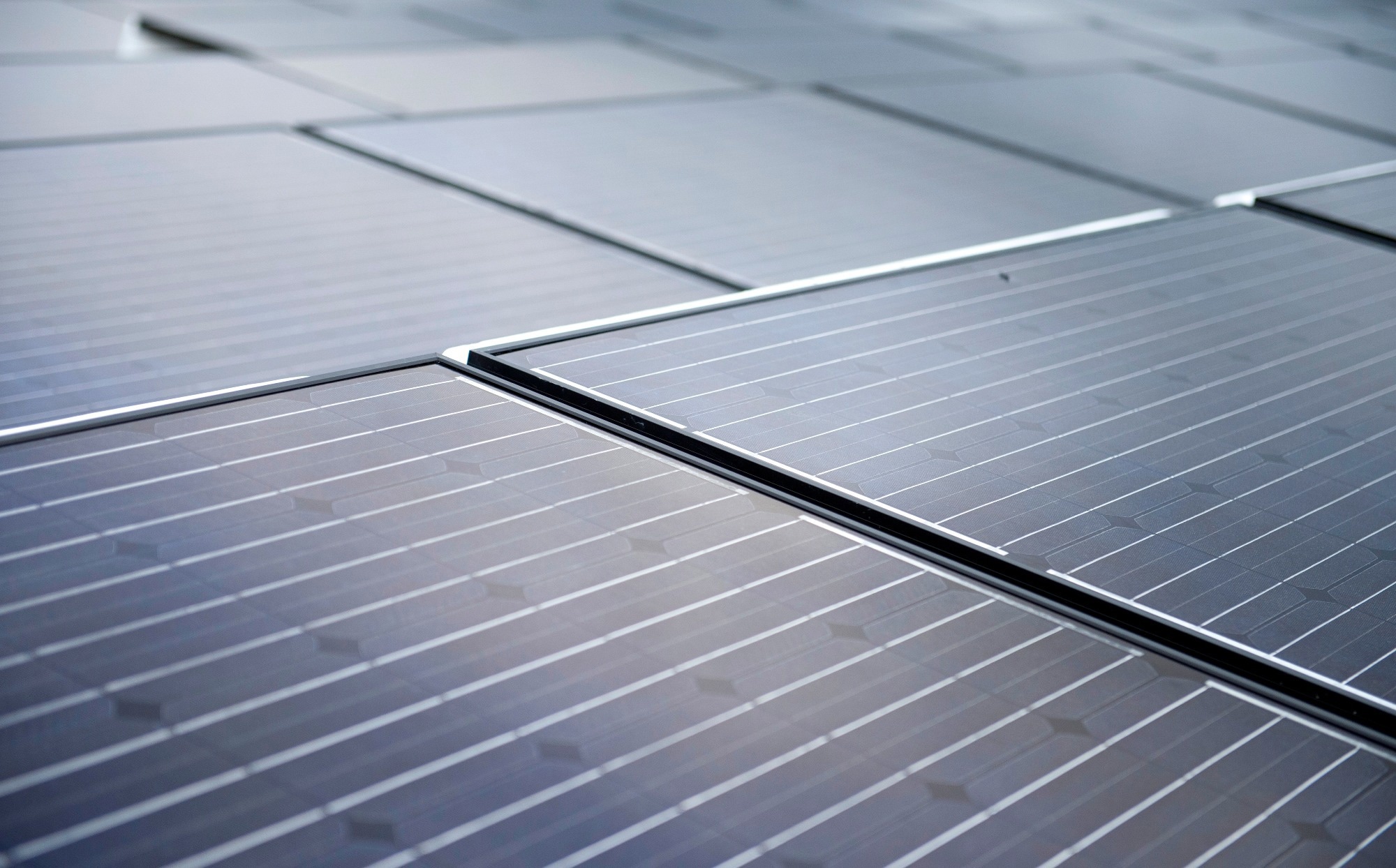
Study: Enhancing photovoltaic efficiency in arid climates using cooling strategies. Image Credit: Richard Juilliart/Shutterstock.com
PV Cooling Challenges in an Arid Climate
In arid climates, high temperatures can significantly reduce the electrical efficiency of PV panels by causing thermal stress and accelerating degradation.
Therefore, effective thermal management of PV systems is crucial for maintaining reliable and efficient power generation. This study focuses on experimentally evaluating different cooling techniques to enhance the performance and longevity of PV modules operating under harsh environmental conditions typical of hot desert regions.
Experimental Cooling Techniques Setup
The experimental setup involved four identical monocrystalline photovoltaic panels installed on a rooftop at Assiut University in Egypt, oriented with a tilt angle matching the site latitude to maximize solar capture.
Three cooling methods were assessed: water-spray cooling (an active technique applying fine water droplets onto the panel surface), serpentine water circulation cooling (a closed-loop active method using water flow through tubes attached to the panel's back), and a frame-glass configuration acting as a passive cooling system through localized shading and partial irradiance filtering.
The water spray system utilized a pump circulating water from a storage tank with controlled flow, while the serpentine system operated with continuous water movement to maintain consistent thermal regulation. The glass-frame cooling involved the installation of a tinted glass sheet over the panel, reducing temperature via shading but potentially impacting solar radiation transmission.
Measurements included panel surface temperature, electrical output parameters (current, voltage, power), and incident solar irradiance, recorded hourly between 9 a.m. and 3 p.m. over multiple days in late summer and early autumn.
Performance Evaluation and Analysis
Experimental findings reveal distinct differences in the thermal and electrical performance among the tested cooling methods. Water-spray cooling achieved the most significant reduction in PV surface temperature, lowering the operating temperature by up to 22 °C compared to the uncooled reference panel.
This temperature mitigation resulted in an efficiency increase of approximately 20-24%, with peak output power notably improved during periods of highest irradiance and ambient temperature. The serpentine water circulation maintained stable temperature control, achieving temperature drops of 15-25 °C and improving efficiency by similarly substantial margins. This method demonstrated consistent power output throughout the measurement period, indicating its suitability for continuous operation.
In contrast, the frame-glass technique reduced the panel's temperature by 8-12 °C; however, this thermal benefit was offset by considerable optical losses due to reflection, refraction, and partial shading from the glass frame and mounting clamps.
These factors led to diminished solar irradiance reaching the PV cells, resulting in up to 37% reduction in electrical output power despite the cooler operating temperature. The trade-off highlights a fundamental limitation of passive shading-based cooling strategies in high solar flux environments: lowering the temperature may not translate to increased energy generation if irradiance is substantially compromised.
The cost analysis further delineates the practical considerations in adopting these cooling methods. The passive frame-glass system incurs minimal capital and operational expenses but performs poorly in net energy gain. The water-spray system, though requiring a water supply and pump energy, exhibited the most cost-effective improvement in power output among active methods. The serpentine circulation system involves higher upfront costs and continuous pump operation energy, but it conserves water through closed-loop usage, presenting an advantage in water-scarce contexts.
The study also contextualizes these outcomes within the local climatic conditions of Asyut Governate, Egypt, emphasizing the need for cooling strategies that balance efficiency gains with resource availability and economic feasibility.
Cooling Strategy Recommendations
This experimental investigation confirms that active cooling techniques significantly enhance the electrical performance of photovoltaic panels in harsh, hot climates by effectively reducing operating temperatures. The water-spray method emerged as the most efficient cooling approach during peak heat and irradiance conditions due to its combined convective and evaporative cooling effects
These findings underscore that thermal management strategies must be carefully selected, considering both thermal and optical impacts to maximize net energy production in hot arid regions. The study advocates the adoption of active water-based cooling methods in environments where they can be sustainably supplied.
Future research is encouraged to explore additional novel cooling mechanisms, optimize operational parameters, and extend testing durations to account for seasonal variations and scalability to larger PV arrays. Such advances will contribute to the development of more robust and high-performing solar power systems in challenging climates.
Journal Reference
Abdelsattar M., Saleh O.M.A., et al. (2026). Enhancing photovoltaic efficiency in arid climates using cooling strategies. Scientific Reports 16, 16141. DOI: 10.1038/s41598-026-50636-6, https://www.nature.com/articles/s41598-026-50636-6