Distributed hydrogen production has emerged as a crucial component of the energy transition, especially as organizations seek reliable methods to enhance electrification and local resilience.
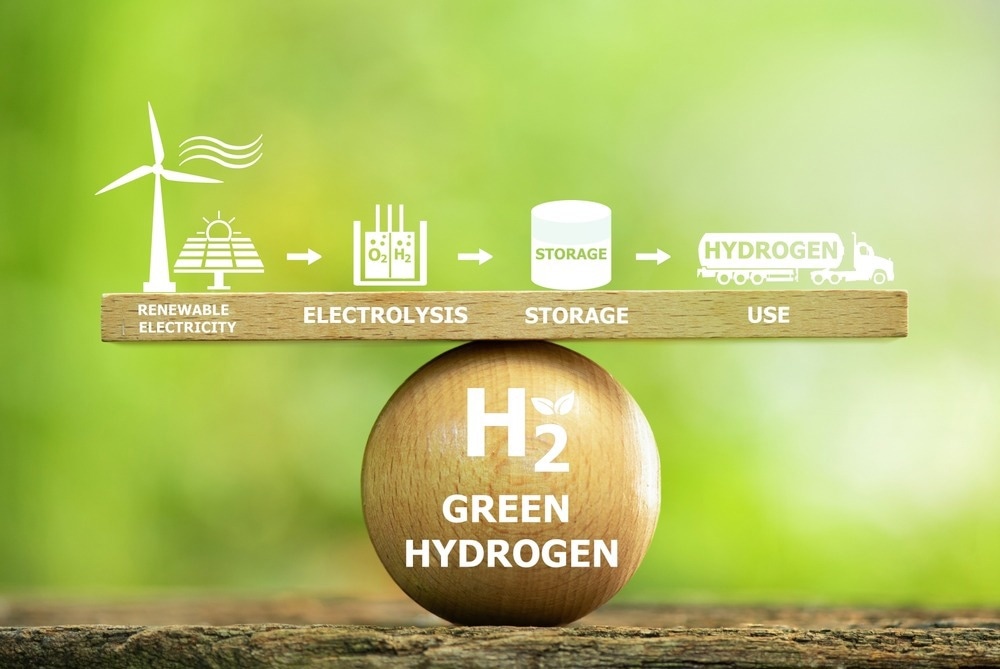
Image Credit: wasanajai/Shutterstock.com
Power to Hydrogen collaborates with clients seeking on-site hydrogen systems in proximity to where energy is needed. This strategy reduces delays, simplifies planning, and improves long-term flexibility.
What Is Distributed Hydrogen Production?
Distributed hydrogen production refers to the process of generating hydrogen energy at or near its point of use. These systems typically deploy electrolysis powered by renewable or low-carbon electricity within smaller, modular setups that meet the energy demands of individual sites or clusters of facilities.
Consequently, distributed production facilities can circumvent long-distance transport routes and achieve greater independence from large centralized plants.
Centralized Versus Distributed Production Models
Centralized hydrogen production relies on large facilities specifically designed to produce significant volumes of hydrogen at once. These production facilities often use steam methane reforming (SMR) or large-scale electrolyzers to generate bulk output. Though centralized production can provide economies of scale, it also introduces challenges related to storage, long-distance logistics, and increased project complexity.
On the other hand, distributed production adopts a decentralized approach, generating hydrogen where it is needed. This configuration may face certain cost challenges, as smaller systems do not benefit from the same economies of scale as their larger counterparts. However, distributed installations can lower costs associated with trucking, specialized storage, extensive pipeline infrastructure, and permitting delays.
Electricity pricing also plays a vital role in the economics of these systems. Facilities that have access to affordable renewable energy or off-peak electricity schedules enjoy significant cost advantages.
With improvements in electrolyzer efficiency, distributed systems are becoming increasingly competitive each year. These solutions are particularly suited to areas where behind-the-meter support is beneficial and can enhance local grid reliability.
The Significance of Distributed Hydrogen
Decentralized Energy Resilience
Distributed hydrogen enhances site-level resilience by meeting local energy needs with consistent output. Many organizations strive for uninterrupted operations that continue through outages, storms, and unpredictable grid conditions.
Hydrogen systems offer an extra layer of energy that can support essential loads or entire site operations, depending on the size of the system.
Enhancing Local Energy Security
Local energy security is bolstered when facilities can produce energy onsite via hydrogen electrolysis. The operators maintain control over the supply, and the output can be adjusted to meet site-specific demand.
Moreover, distributed hydrogen helps smooth out demand peaks by converting surplus renewable energy into stored hydrogen, thereby minimizing disruptions for laboratories, manufacturing floors, data centers, and public safety facilities.
Supporting Renewable Integration
Organizations increasingly integrate renewable energy sources such as solar and wind to manage electricity costs, but a method for storing excess power remains necessary. Distributed hydrogen fulfills this requirement by storing energy during periods of high generation and making it available later in the day when renewable output falls.
By combining renewable energy with hydrogen storage, facilities can reduce their dependence on the grid, particularly during costly peak periods. A well-conceived hydrogen system facilitates the expanded use of renewable energy while ensuring daily operations remain stable and predictable.
Reducing Transportation and Storage Costs
Transporting hydrogen can incur high costs. However, distributed systems eliminate a portion of these expenses by keeping hydrogen production onsite. Facilities avoid constant truck deliveries and the planning or permitting requirements tied to frequent fuel transport.
The costs associated with hydrogen storage and infrastructure also decrease. Distributed production enables hydrogen generation to meet real-time facility demands, allowing operators to produce what is needed during regular periods and to scale up output during events that require additional energy storage.
Enabling Community and Industrial Applications
Distributed production provides flexibility for various uses on the same site. For instance, a university may implement hydrogen to support a microgrid, a research lab, and a fuel cell shuttle fleet, while a distribution center can employ hydrogen power for forklifts, backup systems, and long-duration load support.
This versatility allows community and industrial organizations to prepare for current applications and future expansions.
Electrolysis Technologies Driving Distributed Hydrogen Production
Electrolysis is the fundamental technology underscoring distributed hydrogen production. Modern electrolyzer units can be modular, container-based, and easily deployed, making them suitable for projects of any scale.
Many distributed installations begin with a single module sized to meet current operational needs, with additional units added as demand grows. This approach is common in fleet fueling projects, industrial testing facilities, and operational centers anticipating future growth.
Power to Hydrogen’s modular stack can be arranged in a linear format or set up in containerized systems that facilitate placement and installation.
Renewable-Powered Microgrids
Hydrogen electrolysis functions effectively within microgrids powered by solar, wind, or hydropower. When electricity production exceeds demand, electrolyzers convert the surplus energy into hydrogen. During times of low output, hydrogen can support the microgrid by powering fuel cells or hydrogen-compatible generators.
Data centers, research campuses, and energy hubs frequently integrate microgrids to alleviate peak demand. Hydrogen systems add long-duration storage capabilities that complement existing batteries, providing a stable foundation for mission-critical operations.

This information has been sourced, reviewed, and adapted from materials provided by Power to Hydrogen.
For more information on this source, please visit Power to Hydrogen.