*Important notice: This news reports on an unedited version of an accepted paper and is awaiting final editing. Therefore, the paper should not be regarded as conclusive or treated as established information.
A recent study in Nature Communications has found that high-impact weather events (HIWs) could affect the reliability of China’s future renewable energy system.
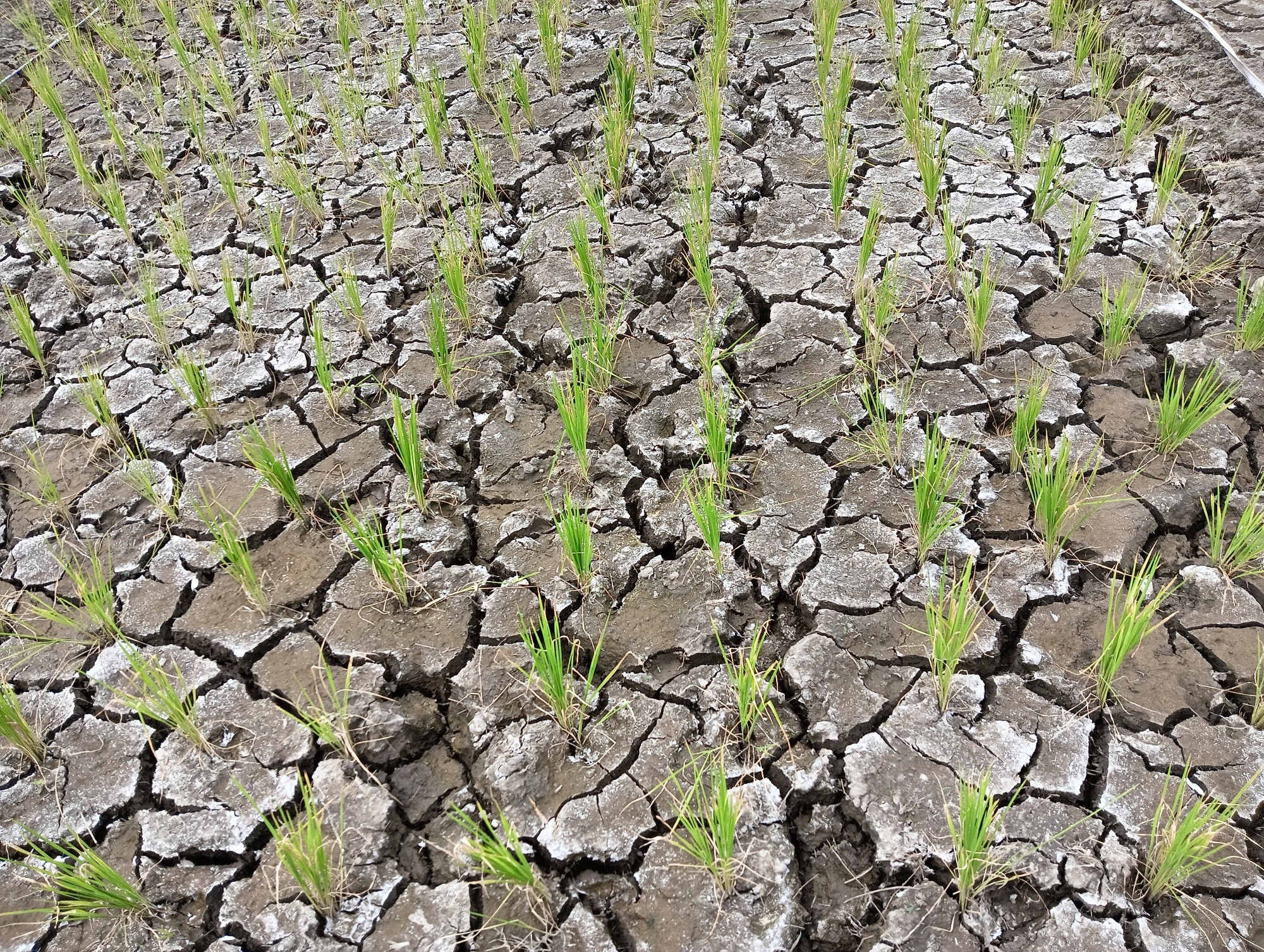
Study: High-impact weather effects on wind and solar power systems under future climate scenarios in China. Image Credit: Din_Wic/Shutterstock.com
Unfavorable weather conditions can disrupt wind and solar power generation across the country, the new study highlights. The researchers have assessed the vulnerability of a renewable-dominated power system under future climate scenarios. The findings show that climate change could increase renewable energy shortfalls, highlighting the need for stronger transmission networks and coordinated grid planning.
Understanding the Vulnerability of Renewable Power Systems
Wind and solar energy play a central role in China's transition toward a carbon-neutral electricity system. Renewable power generation depends mainly on weather conditions, so changes in wind patterns, cloud cover, and solar radiation can influence electricity output and affect grid reliability.
Previous research has largely focused on how climate change may alter long-term renewable energy potential, often emphasizing annual or seasonal averages. As renewable energy penetration increases, these short-term disruptions become increasingly important, as even moderate yet persistent weather anomalies can create significant supply shortages when electricity demand remains high.
The study specifically examines HIWs, which include extended periods of weak winds, reduced solar radiation, or combinations of meteorological conditions that simultaneously suppress both wind and solar generation across large regions.
Recent incidents such as the 2022 Sichuan drought highlighted the vulnerability of renewable energy systems to prolonged adverse weather and demonstrated how generation losses can threaten regional energy security.
Suffering worst drought on record, China is racing to deal with the painful power shortage
Video Credit: ShanghaiEye/YouTube.com
The researchers developed an integrated assessment framework that combines high-resolution climate projections, renewable power modeling, electricity demand forecasts, and transmission network optimization to address this challenge. Using this approach, they evaluated how future climate scenarios may affect renewable energy reliability and explored strategies to strengthen system resilience.
Building a Climate-Informed Power System Model
The researchers developed a meteorology-based assessment framework to examine how varying climate conditions could affect renewable electricity generation and power system reliability across China. They combined hourly meteorological datasets at 5-kilometer spatial resolution with power system modeling to capture variations in wind speed, solar radiation, and temperature. The analysis combined historical observations with CMIP6 climate projections across four SSP scenarios to assess future renewable energy performance.
The team applied a convolutional neural network (CNN) to downscale and refine climate projections, thereby improving the accuracy of future resource estimates. The analysis identified HIWs as extended periods of low renewable resource availability, with wind speeds below 3 m/s or solar radiation below 100 W/m² for more than two consecutive days. This event-based approach allowed them to quantify the duration, intensity, and energy losses associated with prolonged renewable generation shortfalls.
The framework incorporated provincial electricity demand profiles, installed generation capacities, energy storage systems, and inter-regional transmission networks. The researchers then applied a multi-objective optimization model to balance electricity supply and demand while minimizing power shortages and transmission costs. The integrated framework enabled the researchers to evaluate renewable power system performance during adverse weather events and identify how transmission expansion and coordinated planning could enhance grid resilience.
Want to save for later? Click here.
High-Impact Weather Creates Significant Renewable Energy Risks
Although wind and solar generation rise across all future scenarios, lower-emission pathways deliver higher renewable electricity output. By 2060, both wind and solar generation under SSP1-1.9 considerably exceed levels projected under SSP5-8.5, highlighting the growing influence of climate-driven weather disruptions in warmer futures.
The researchers found that HIWs become more frequent as emissions increase. Some regions experience up to 12 HIWs annually, with individual events lasting as long as 24 days. These prolonged disruptions significantly reduce renewable electricity production. Under SSP5-8.5, annual generation losses reach 84.5 TWh, compared with 62.7 TWh under SSP1-1.9. The Northwest China Grid, Southwest China Grid, and China Southern Power Grid face the greatest exposure to these weather-related risks.
The analysis also revealed substantial regional imbalances in electricity supply. Coastal demand centers remain vulnerable because local renewable resources often fail to meet electricity demand during prolonged adverse weather conditions. At the provincial level, the Sichuan Basin and southeastern coastal provinces emerge as major risk hotspots. The 2022 Sichuan drought provides a clear example of how prolonged weather anomalies can affect electricity systems, causing a solar generation deficit of 248.3 GWh over 72 days.
The researchers also found that hourly assessments capture significantly larger deficits than daily analyses, with shortfalls increasing by 10–15% when sub-daily variability is considered. This finding highlights the importance of high-resolution meteorological data for accurately assessing renewable energy risks.
The study further highlights the value of transmission infrastructure in improving system resilience. Inner Mongolia and the Northwest China Grid serve as major renewable energy exporters, supplying electricity to regions facing generation shortfalls. Together, they offer a combined transmission potential of about 605 GW. Optimized transmission networks strengthen supply-demand balancing, reduce regional vulnerabilities, and help maintain grid reliability during periods of adverse weather.
Building a More Resilient Low-Carbon Electricity System
This study highlights the growing importance of climate resilience in China's renewable energy transition. The results suggest that expanding inter-regional transmission networks, strategically locating renewable energy projects, and improving grid coordination can significantly reduce weather-related power deficits. The coordinated optimization of renewable resources and transmission networks reduces power generation deficits by nearly 28% during high-impact weather events.
The study demonstrates that climate mitigation delivers direct energy-system benefits. However, several regions remain susceptible even under optimistic climate scenarios, highlighting the need for targeted adaptation strategies. Overall, the research provides a practical roadmap for integrating climate risk into long-term energy planning. Achieving a reliable low-carbon energy future will require greater emphasis on both renewable energy deployment and climate resilience.
Journal Reference
Sun, J., He, Y., et al. (2026). High-impact weather effects on wind and solar power systems under future climate scenarios in China. Nature Communications. https://www.nature.com/articles/s41467-026-73427-z
Disclaimer: The views expressed here are those of the author expressed in their private capacity and do not necessarily represent the views of AZoM.com Limited T/A AZoNetwork the owner and operator of this website. This disclaimer forms part of the Terms and conditions of use of this website.