Researchers propose a low-carbon research center in Manu National Park to combat deforestation and biodiversity loss while advancing scientific discovery.
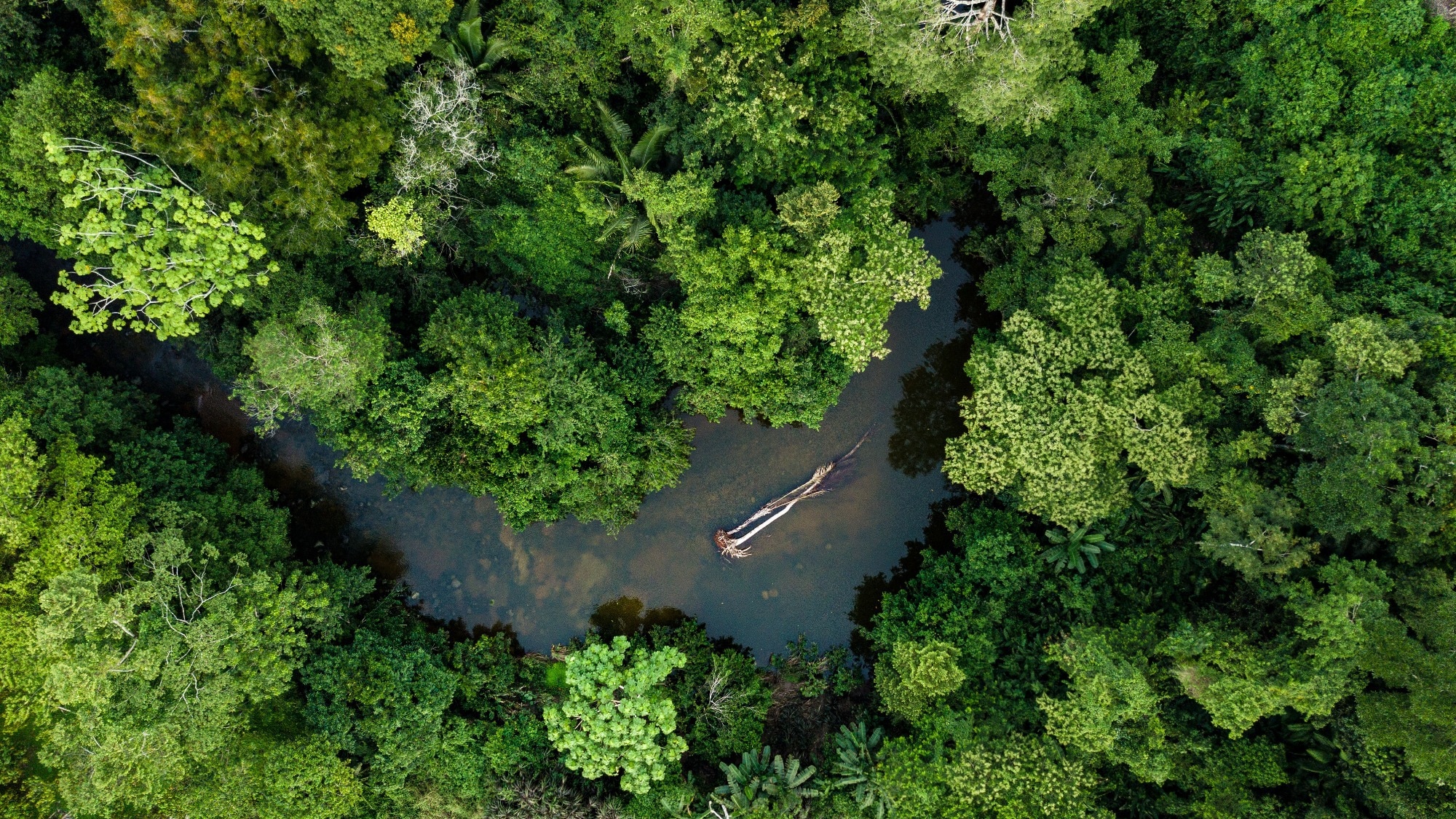
Study: Low-Carbon and Bioclimatic Design for a Sustainable Interpretation and Research Center for Ecosystem Conservation in Madre de Dios, Peru. Image Credit: qualtaghvisuals/Shutterstock.com
As deforestation and illegal mining continue to threaten Peru’s Amazon rainforest, researchers have introduced a proposal for a Sustainable Interpretation and Research Center designed to protect biodiversity while supporting ongoing scientific work.
The architectural concept represents a thoughtful step forward in low-carbon design, integrating human activity with ecological preservation. It addresses urgent environmental pressures like biodiversity loss and land degradation while promoting a more sustainable development model in one of the world’s most sensitive ecosystems.
A study published in Clean Technologies outlines how the center could strengthen biodiversity conservation and improve climate resilience. More importantly, it positions architecture not just as infrastructure, but as an active tool for conservation within protected Amazonian regions where design has historically played a limited role.
Integrating Low-Carbon and Bioclimatic Design
Low-carbon architecture focuses on reducing greenhouse gas emissions through material choices, energy systems, and efficient design. In this proposal, renewable energy sources like solar power are paired with materials such as bamboo, valued for its low carbon footprint and rapid renewability.
This approach is reinforced by bioclimatic design strategies, which adapt buildings to local environmental conditions. In a tropical rainforest where heat, humidity, and rainfall shape daily life, passive cooling, natural ventilation, and climate-responsive layouts are essential. The use of locally sourced materials and traditional construction techniques further strengthens the connection between the built environment and its ecological context.
Research Framework and Methodology
The proposed center is situated in the Madre de Dios region, near Manu National Park, a UNESCO World Heritage Site known for its extraordinary biodiversity. It is envisioned as a multifunctional hub supporting research, education, and community-led conservation initiatives.
The study follows a non-experimental, correlational approach, examining environmental and social conditions without direct intervention. Researchers used document analysis, climate data evaluation, environmental modeling, and site assessments through tools like Google Earth Pro and Revit.
The design itself features modular units that blend into the surrounding landscape, minimizing ecological disruption. These units accommodate laboratories, educational facilities, and conservation programs. The layout is also inspired by local cultural symbolism, particularly the Yakumama, or “mother of water”, which informs the project’s flowing, organic form and reinforces its connection to the natural environment.
Environmental Impact and Key Outcomes
The proposal outlines several projected environmental benefits based on analytical modeling:
- Energy self-sufficiency: A photovoltaic system is expected to generate approximately 15,571.8 kWh annually, covering nearly all electricity needs.
- Water management: Rainwater harvesting could collect around 70,675 liters per year, supplying non-potable uses such as irrigation and sanitation.
- Ecosystem restoration: Reforestation efforts using native species aim to restore degraded land, enhance biodiversity, and contribute to carbon sequestration.
While these figures are projections rather than measured outcomes, they demonstrate the potential of integrating renewable energy, water systems, and ecological restoration into a single architectural framework.
The design also prioritizes flexibility. Its modular structure allows for adaptation over time, ensuring resilience in the face of environmental change. At the same time, the inclusion of research and educational spaces encourages community involvement and strengthens conservation awareness.
Applications for Sustainable Development
Beyond its immediate context, the center offers a model for building in ecologically sensitive regions. It shows how low-carbon technologies and climate-responsive design can be tailored to local environments while respecting cultural values.
A key strength of the project lies in its interdisciplinary approach. By bringing together architects, environmental scientists, and local communities, the design reflects both scientific objectives and social realities. This collaboration supports long-term stewardship and ensures that conservation efforts remain locally relevant.
The findings also point to the need for supportive policy frameworks that encourage low-carbon infrastructure in protected areas. By demonstrating feasibility, the project could help attract investment from governments, NGOs, and private stakeholders interested in sustainable development.
Future Directions in Sustainable Architectural Practices
This research highlights how architecture can play a more active role in addressing environmental challenges. By combining low-carbon strategies with bioclimatic design, the proposed center supports ecosystem conservation while enhancing community resilience.
Its application in Manu National Park provides a practical reference point for designing in biodiversity-rich regions. More broadly, the approach can be adapted to similar environments, offering a pathway for balancing ecological preservation with human activity.
Ultimately, the project reinforces a broader idea that well-designed built environments can contribute meaningfully to climate resilience, scientific research, and biodiversity protection.
Journal Reference
Cairo, J, V., & et al. (2026). Low-Carbon and Bioclimatic Design for a Sustainable Interpretation and Research Center for Ecosystem Conservation in Madre de Dios, Peru. Clean Technol., 8(2), 37. DOI: 10.3390/cleantechnol8020037, https://www.mdpi.com/2571-8797/8/2/37
Disclaimer: The views expressed here are those of the author expressed in their private capacity and do not necessarily represent the views of AZoM.com Limited T/A AZoNetwork the owner and operator of this website. This disclaimer forms part of the Terms and conditions of use of this website.