A combination of satellite-derived environmental data and advanced causal inference methods has been used to assess the impact of increased plastic waste flows on pollution levels near waste disposal sites in Indonesia. This study, published in the Journal of the Royal Statistical Society Series C: Applied Statistics, revealed that increased particulate pollution is linked to waste-burning activities, highlighting the impacts of global waste trade.
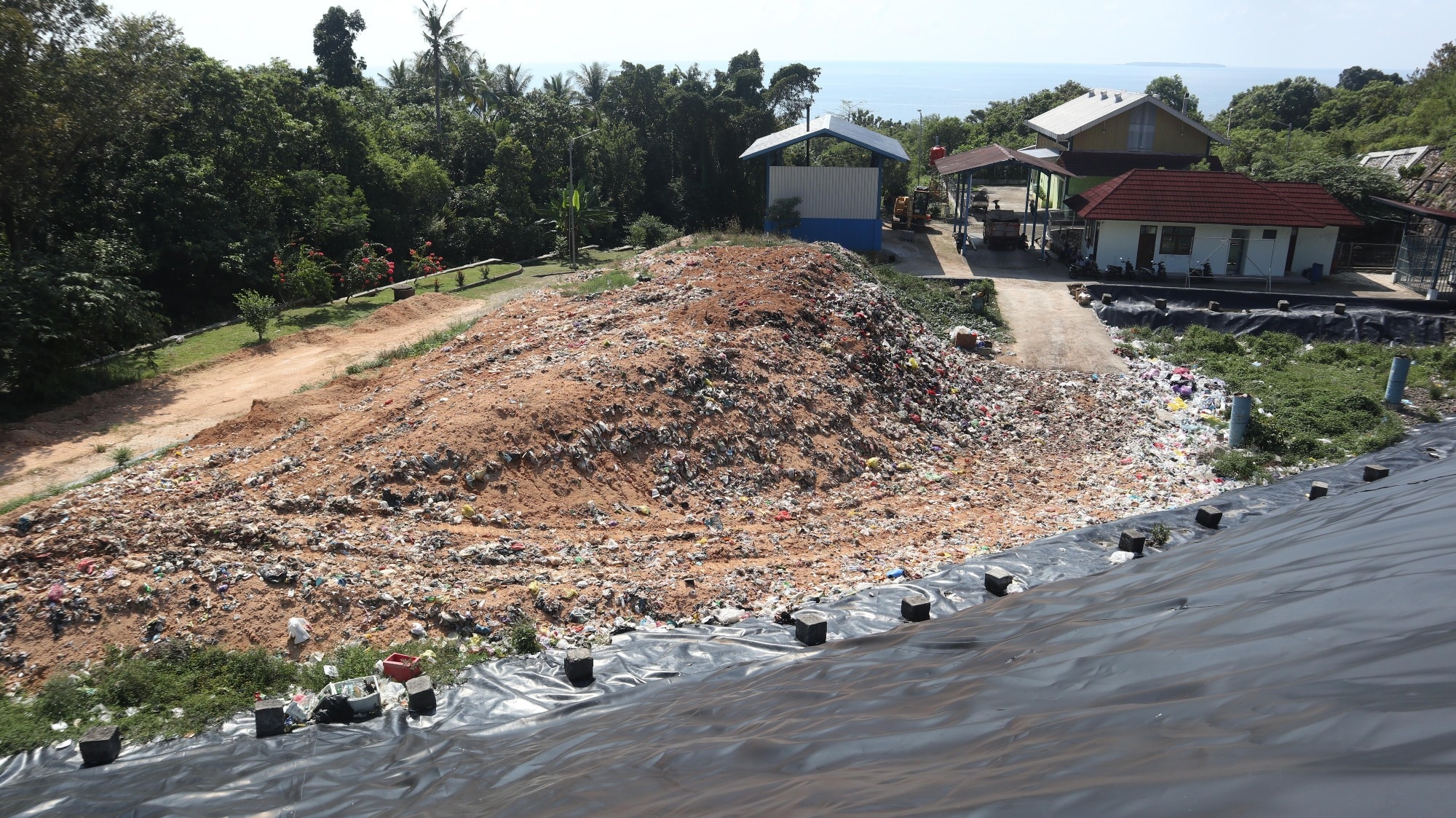 Study: A spatiotemporal, quasi-experimental causal inference approach to characterize the effects of global plastic waste export and burning on air quality using remotely sensed data. Image Credit: IDwahyukurniawan/Shutterstock.com
Plastic Trade and Air Quality
Plastic waste generation has increased rapidly over the past several decades, creating growing environmental and public health challenges worldwide. International waste trade adds another layer of complexity, as policies implemented in one country can shift waste flows and environmental burdens to other parts of the world.
No time now? Download a PDF for later.
The introduction of China’s plastic waste import ban in 2018 fundamentally altered international waste trade patterns. The policy redirected large volumes of waste to countries across Southeast Asia, with Indonesia becoming one of the primary destinations for this redirected plastic waste.
A substantial portion of plastic waste is disposed of through open burning, releasing fine particulate matter (PM2.5) and other pollutants that pose serious risks to air quality and public health.
Although concerns about the environmental consequences of plastic waste redistribution continue to grow, direct evidence linking changes in waste trade to air quality impacts remains scarce. Most previous studies have relied on emissions inventories and modeling approaches, while limited monitoring infrastructure in many affected regions has constrained observational analyses.
To address this gap, researchers combined satellite data with causal inference methods to assess the impacts of increased plastic waste imports on air quality in Indonesia. The study also introduces a novel framework for evaluating large-scale policy interventions when conventional control groups are unavailable.
Satellite Data and Causal Modeling
The researchers compiled a nationwide dataset covering the period from 2012 to 2019, enabling comparisons before and after China’s 2018 plastic waste import ban. They focused on 356 waste dump sites across Indonesia, identified through satellite imagery and machine-learning analysis from the Global Plastic Watch platform.
The team used a high-resolution PM2.5 dataset that integrates satellite observations, atmospheric models, and available ground-based measurements to track air quality changes. This approach provided reliable pollution estimates even in regions with limited monitoring infrastructure.
The researchers then developed a port-proximity index to estimate exposure to imported plastic waste, which typically enters Indonesia through ports. Data from port locations and cargo ship activity were used to estimate the intensity of waste flows reaching nearby dump sites and better capture waste transport intensity.
The analysis also accounted for other factors that affect air quality, including temperature, humidity, rainfall, wind conditions, population density, and regional fire activity. Satellite-based fire detections helped distinguish pollution from waste burning from that associated with wildfires and agricultural burning.
The researchers developed a causal inference framework to quantify the air quality impacts of China’s import ban. They used historical data, machine learning, and spatial modeling to estimate policy-driven changes in PM2.5 levels.
Tracing the Impact on Air Quality
The analysis revealed a clear deterioration in air quality near Indonesian waste sites following China’s 2018 plastic waste import ban. The rise in PM2.5 concentrations during 2018–2019 indicates a measurable impact on air quality linked to increased plastic waste imports.
Sites with moderate-to-high exposure to imported waste experienced the largest effects, with PM2.5 concentrations rising by as much as 1.68 μg/m3 above expected levels. Across all dump sites, average PM2.5 concentrations increased by 0.86 μg/m3, representing a 3.3% increase compared with pre-ban conditions.
The strongest impacts did not occur at sites closest to major ports. Instead, pollution levels peaked at intermediate exposure levels before declining in highly urbanized port regions. The researchers suggest that stronger regulatory oversight and waste-management infrastructure near major ports may have limited open dumping and burning.
The team conducted several validation analyses to test the robustness of the results. Estimates generated using the new causal inference framework closely aligned with those obtained from independent statistical approaches.
Additional evidence came from satellite observations of active fires. Fire activity at waste dump sites increased significantly from 2018 to 2019, coinciding with the rise in PM2.5 concentrations. The results suggest that increased waste burning contributed to worsening air quality.
Implications for Global Waste Policy
The study demonstrates a clear link between global plastic waste trade and local air pollution in Indonesia following China’s 2018 ban on plastic waste imports. The findings highlight how environmental burdens can move across borders when waste flows are redirected rather than reduced.
The research also demonstrates the value of combining satellite observations with advanced analytical methods to evaluate environmental impacts.
Using remotely sensed data, the researchers assessed air quality changes in regions where conventional monitoring networks are limited. This approach could support future evaluations of waste-management policies, emissions regulations, and other large-scale environmental interventions.
Beyond waste management, the study introduces a versatile framework for assessing policy impacts across large geographic areas. This methodology could help researchers investigate environmental, climate, and public health policies when traditional control groups are unavailable.
As countries strengthen waste management regulations and restrict plastic waste imports, reliable monitoring tools will gradually become more important. The findings also highlight the need for coordinated global strategies that reduce plastic waste generation, improve waste management, and minimize environmental impacts.
Journal Reference
Considine, E. M., & Nethery, R. C. (2026). A spatiotemporal, quasi-experimental causal inference approach to characterize the effects of global plastic waste export and burning on air quality using remotely sensed data. Journal of the Royal Statistical Society Series C: Applied Statistics. https://academic.oup.com/jrsssc/advance-article/doi/10.1093/jrsssc/qlag031/8699861
Disclaimer: The views expressed here are those of the author expressed in their private capacity and do not necessarily represent the views of AZoM.com Limited T/A AZoNetwork the owner and operator of this website. This disclaimer forms part of the Terms and conditions of use of this website.