*Important notice: This news reports on an unedited version of an accepted paper and is awaiting final editing. Therefore, the paper should not be regarded as conclusive or treated as established information.
Greater access to clean cooking fuels and electricity can significantly reduce long-term CO2 emissions in G-20 countries, researchers have reported.
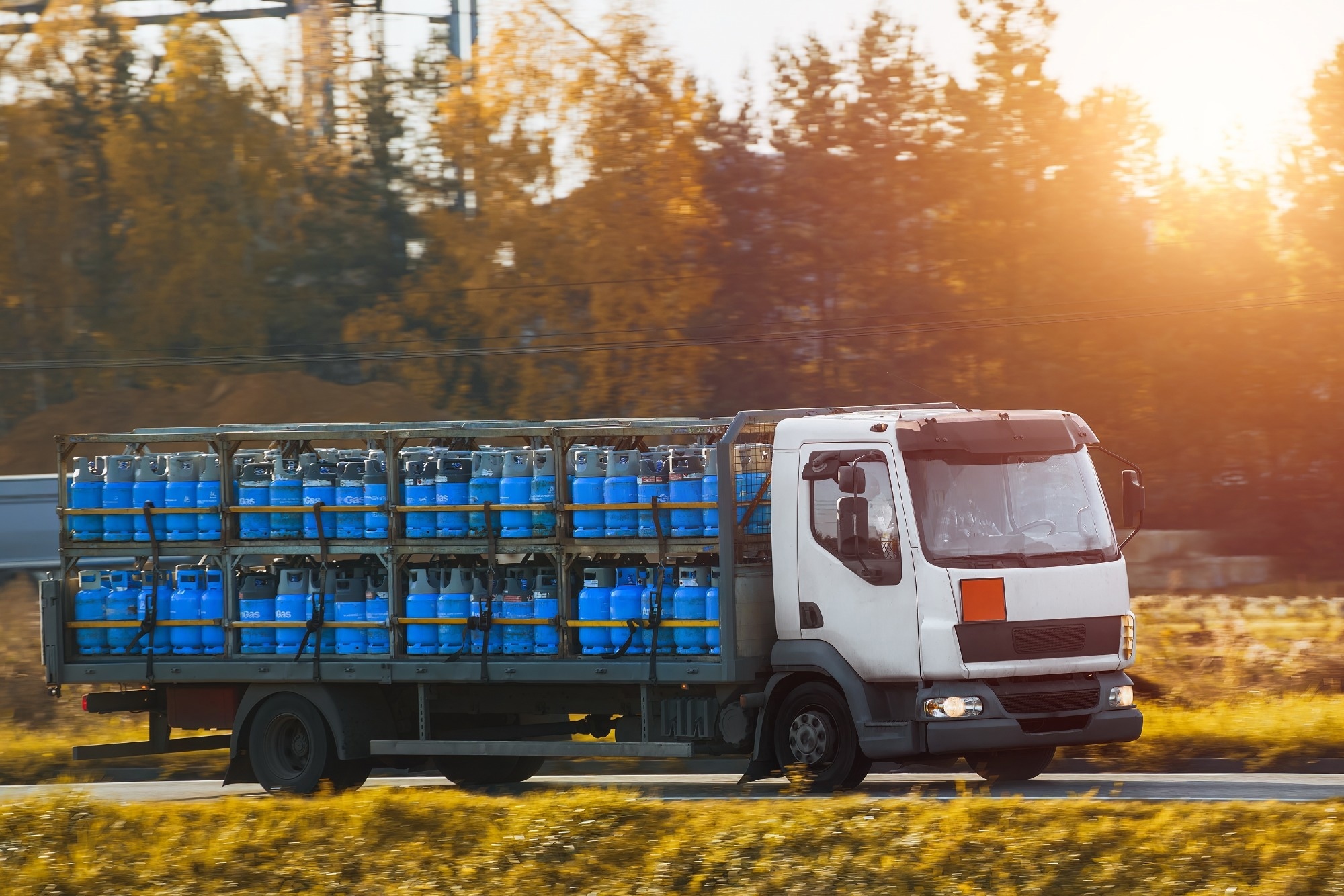
Study: Effect of clean energy on CO2 emissions in G-20 countries using STIRPAT approach. Image Credit: alexgo.photography/Shutterstock.com
In a recent research article published in Humanities and Social Sciences Communications, researchers analyzed the impact of clean fuel technology for cooking and electricity access on CO2 emissions in G-20 countries from 2000 to 2022 using an extended STIRPAT model.
Want to save this article for later? Click here.
Energy Access and Emissions Context
Access to clean cooking fuel and electricity is vital for reducing CO2 emissions and achieving the UN Sustainable Development Goal-7 of universal clean energy by 2030. Despite efforts, about 1.4 billion people lack access to renewable energy, and 2.7 billion rely on biomass for cooking, contributing to environmental harm and health risks.
The G-20 countries represent 57.5% of the global population and 85% of GDP, yet disparities in clean energy access persist between developed and developing members. Developed G-20 nations have near-universal clean fuel accessibility, while developing countries like China and India have made progress through policy interventions expanding LPG and PNG distribution.
Carbon intensity per GDP is declining overall in G-20 countries, but economic growth, urbanization, and trade openness continue to elevate emissions. This study employs an extended STIRPAT model to assess how clean energy adoption influences CO2 emissions in this diverse group, offering policy insights to promote sustainable energy transitions.
STIRPAT Model & Data
To analyze the impact of clean energy access on CO2 emissions, the study utilizes an extended version of the Stochastic Impacts by Regression on Population, Affluence, and Technology (STIRPAT) model. This stochastic model allows for a nuanced understanding of the environmental effects of demographic, economic, and technological factors.
Traditionally, the STIRPAT framework assesses environmental impact as a function of population size, wealth (affluence), and technological factors. In this study, the technological component is broadened to explicitly include indicators measuring the percentage of the population with access to clean fuel for cooking and electricity access.
The empirical analysis covers data from 19 G-20 countries spanning the years 2000 to 2022. The dataset, sourced primarily from the World Bank, enables an annual panel data analysis. The econometric approach first employs a Fixed Effect (FE) model to control for unobserved country-specific heterogeneity.
To ensure robustness and address spatial dependence and serial correlation in the panel data, the Driscoll-Kraay estimator is used as an additional check. Furthermore, to capture both short-term and long-term dynamics in the data, two second-generation panel data models are applied: the Common Correlated Effects (CCE) estimator and the Pesaran and Smith (1995) model. These advanced methods allow the study to account for cross-sectional dependence that may arise due to common shocks affecting multiple countries.
The model specification also includes common covariates such as population, urbanization levels, GDP per capita, FDI inflows, and trade openness to isolate the effect of clean energy access on carbon emissions.
Clean Energy Impact Analysis
The results show that improved household access to cleaner cooking fuels, such as LPG and piped natural gas, significantly reduces per capita CO2 emissions in G-20 countries. This shift from traditional, more polluting fuels effectively lowers household-related emission intensity. Similarly, increased access to electricity correlates with a significant decrease in emissions, highlighting the environmental benefits of broader access to clean energy.
Conversely, economic factors such as GDP per capita, urbanization, foreign direct investment, and trade openness are positively associated with higher emissions, underscoring the challenge of decoupling growth from environmental harm without adopting cleaner energy. The findings reinforce previous research on urbanization and growth increasing emissions, but stress the importance of energy transition policies in mitigating these effects.
Second-generation panel models indicate that the positive environmental impacts of clean energy access are more substantial in the long run, as infrastructural and behavioral changes take time to materialize. Short-term effects are mostly insignificant, reflecting this adjustment period.
The study also notes heterogeneity within the G-20: developed countries have largely stabilized or reduced emissions due to high clean energy penetration, while developing members face ongoing challenges in expanding access. This divergence underscores the need for tailored national strategies focused on promoting cleaner household energy aligned with each country’s development stage.
Policy Insights & Recommendations
The study finds that access to cleaner cooking fuels like LPG and PNG, along with expanded electricity access, significantly reduces per capita CO2 emissions in G-20 countries. Using the extended STIRPAT model, it confirms that clean energy policies deliver long-term environmental benefits.
However, ongoing economic growth, urbanization, and investment continue to increase emissions, emphasizing the need to embed energy transition within sustainable development frameworks. The research highlights the urgency for developing G-20 nations to reduce fossil fuel dependence in household cooking through targeted infrastructure, renewable energy integration, and efficiency improvements.
It also stresses managing economic and trade policies to promote environmentally responsible practices. Overall, the study provides empirical support for clean energy adoption as critical to curbing global emissions and meeting sustainable development goals, offering actionable policy insights to accelerate the shift toward cleaner household energy and mitigate climate change effectively.
Journal Reference
Kumari R., Alam M.A., et al. (2026). Effect of clean energy on CO2 emissions in G-20 countries using STIRPAT approach. Humanities and Social Science Communications. DOI: 10.1057/s41599-026-07821-9, https://www.nature.com/articles/s41599-026-07821-9