The ocean covers more than 70 % of the Earth's surface, acting as the planet's primary life-support system. It regulates the climate, provides food for billions, and serves as a vital artery for global trade. However, this vast ecosystem is currently facing what the United Nations Environment Programme describes as a "triple planetary crisis": the combined threats of climate change, biodiversity loss, and pollution.
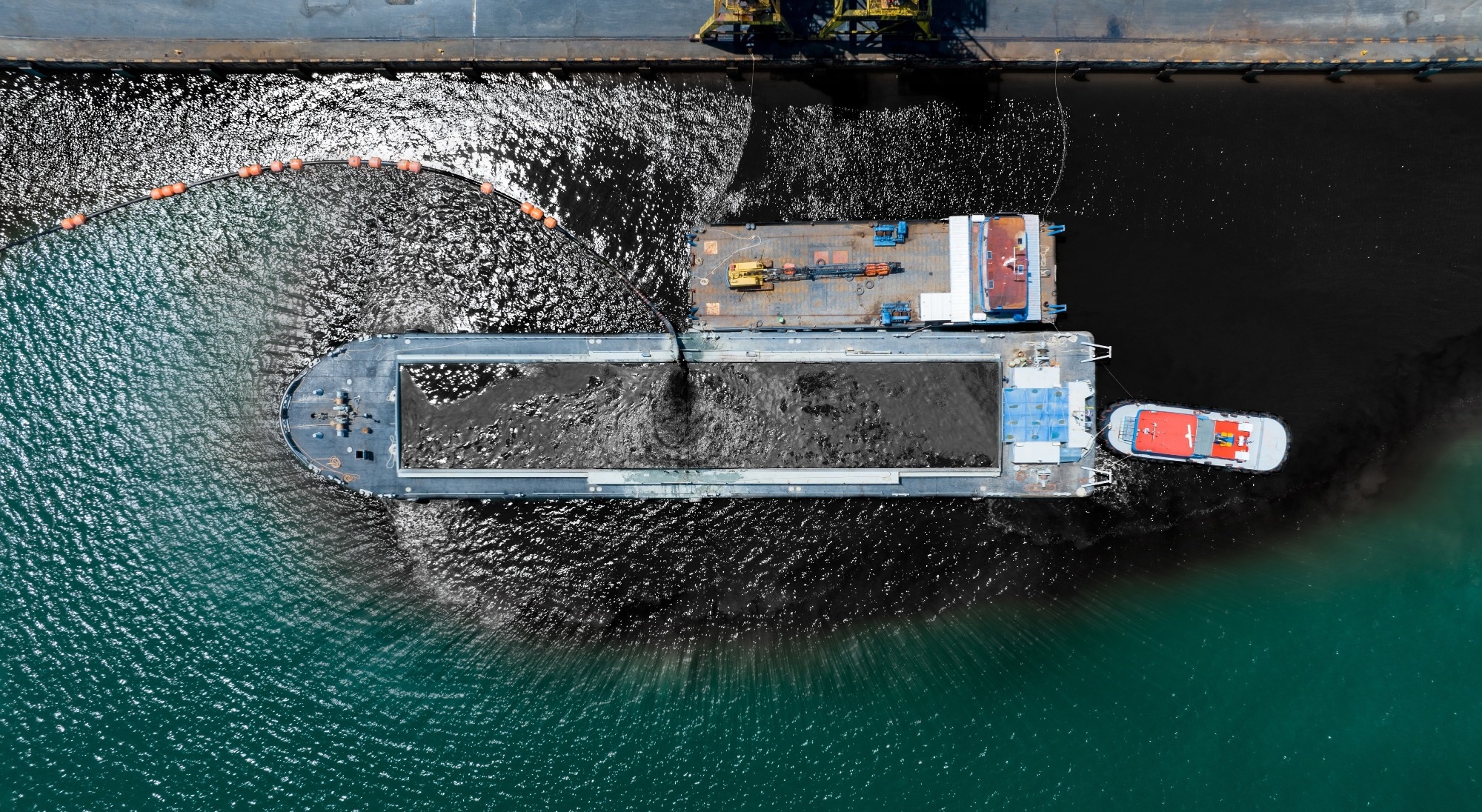
Image Credit: GreenOak/Shutterstock.com
Although climate change and nature loss often dominate international discourse, ocean pollution is frequently the "forgotten third" of this triangle, receiving far less attention and funding despite its catastrophic potential.1
In early 2024, the Back to Blue initiative, a collaboration between Economist Impact and The Nippon Foundation, released a comprehensive report titled: A Global Ocean Free from the Harmful Impacts of Pollution: Roadmap for Action. This document reveals a roadmap to a global ocean free from the harmful impacts of pollution by 2050. Achieving this goal requires a radical transition from reactive, small-scale efforts to a proactive, data-driven global framework.
How Polluted is the Ocean?
To understand the scope of the challenge, it is necessary to look beyond the highly visible problem of plastic waste. Although images of plastic-strewn beaches have captured public attention, the Back to Blue report highlights that marine pollution is a multifaceted crisis involving several categories of contaminants, many of which are invisible to the naked eye.1
One of the most significant threats comes from the approximately 300,000 synthetic chemicals currently in use globally. Most of these have never been tested for their long-term impact on marine ecosystems. These include persistent bio-accumulating and toxic compounds (PBTs), such as "forever chemicals" (PFAS), which accumulate in the environment and the tissues of marine life over long periods.1 Heavy metals such as mercury, lead, and cadmium also pose severe risks to both animal and human health.
Nutrient pollution from agricultural fertilizers and sewage creates vast "dead zones" through a process called eutrophication. In these areas, algal blooms consume so much oxygen that other sea life cannot survive.1 The report also notes the rise of pharmaceutical pollution, including antibiotics, which increases the risk of antimicrobial resistance in the marine environment.
Crucially, approximately 80 % of ocean pollution originates from land-based human activities. This includes stormwater run-off from cities, ineffective waste management, manufacturing, mining, and agricultural drainage.1 Rivers and estuaries serve as the primary conduits, carrying these pollutants from inland sources to the sea.
What is the Back to Blue Initiative?
Back to Blue is a multi-year initiative established by Economist Impact and The Nippon Foundation to address the lack of data and coordinated action regarding ocean health. The initiative serves as a "catalytic" platform, bringing together stakeholders from across the United Nations system, the scientific community, industry, policy, and finance.
The initiative does not seek to replicate existing efforts but rather to unify them through a "partnership of partnerships".1 This involves a diverse group of organizations voluntarily committing to a shared vision while maintaining their own specific objectives. The 2024 roadmap is the culmination of two years of consultation and research, following the foundational 2022 report, The Invisible Wave, which first examined the extent of marine chemical pollution.1
Back to Blue is officially aligned with the UN Decade of Ocean Science for Sustainable Development (2021–2030). Specifically, the initiative responds to "Challenge One" of the decade: to "understand and beat marine pollution".2 Back to Blue aims to harmonize fragmented projects and increase global momentum for regulatory reform and investment by providing a strategic framework.
The initiative has gathered significant international support. Vladimir Ryabinin, Executive Secretary of IOC/UNESCO, endorsed the roadmap, stating it has the "potential to reverse the tide" on marine pollution.
Peter Thomson, the UN Secretary-General's Special Envoy for the Ocean, called on stakeholders to give the roadmap their "fullest attention," emphasizing that addressing marine chemical pollution requires radical reform in prevention approaches.1
The Invisible Wave - Back to Blue
Video Credit: Economist Impact/YouTube.com
Why is the Back to Blue Initiative Needed?
The necessity for this initiative stems from a fundamental problem: a lack of comprehensive data required to effectively manage or prevent ocean pollution. Collective knowledge regarding the extent of pollution and its cumulative effect on marine ecosystems remains limited.1
Existing data is geographically skewed, focusing primarily on the coastal waters of wealthy, developed nations. There is very little information regarding the open ocean or the coastal waters of the Global South.1 This "geography gap" means that the communities most vulnerable to pollution, those who rely on the ocean for food and livelihoods but have the least waste-management infrastructure, are often the least understood.
This lack of data creates an "action paradox." Policymakers, regulators, and investors are generally unwilling to take bold action or commit significant capital without compelling, standardized evidence.1 Some stakeholders may have a vested interest in "business as usual," while others simply have too many competing priorities to act on qualitative assessments alone.
Economic trends suggest that pollution is set to increase. The production and use of synthetic chemicals are growing rapidly, particularly in countries with less stringent environmental protections.1 Nascent industries, such as offshore renewables and deep-sea mining, may also introduce new pollution risks. Without a clear understanding of the impacts and causes of pollution, decision-makers can't balance the competing demands of economic development and environmental conservation.1
Click here to download a free PDF copy of this page
Key Objectives and Guiding Principles
The Back to Blue roadmap utilizes a phased approach to achieve four primary objectives by 2050. This strategy is underpinned by five core principles: maintaining a "partnership of partnerships" to avoid duplication; employing a multidisciplinary reach; balancing immediate "quick wins" with long-term research; championing findable, accessible, interoperable, and reusable (FAIR) data standards; and ensuring equity for communities in the Global South.1
1. Closing the Data Gap
By 2030, the initiative aims to conduct a comprehensive review of all available evidence, utilizing artificial intelligence to integrate disparate datasets.1 The 2040 goal involves establishing a functional global "map" of ocean pollution to track long-term trends and identify critical hotspots.
2. Implementing Solutions
The roadmap emphasizes that data collection must lead to systemic action. By 2040, the objective is for a diverse cohort of stakeholders to enact solutions, including regulatory reform, mandated changes in corporate behavior, and large-scale investment in green chemistry and waste-management innovation.1
3. Engaging Stakeholders
A high-level coordinating task force and secretariat will oversee the publication of a "Global Ocean Pollution Assessment and Action Plan" (GOPAAP) every five years.1 This structure ensures scientific findings are communicated directly to those with the authority to implement international change.
4. Securing Funding
Achieving the 2050 vision requires substantial capital from governments, philanthropic entities, and the private sector. The initiative focuses on "crowding in" funding by educating the financial sector on the regulatory risks of pollution and identifying "blue finance" opportunities to foster sustainable investment.1
Conclusion
The vision of a pollution-free ocean by 2050 is undeniably ambitious, yet the Back to Blue roadmap provides a practical, evidence-based path forward.
The scale of the challenge demands coordinated global action across multiple sectors. The initiative provides a framework for meaningful change by addressing critical knowledge gaps, fostering collaboration among diverse stakeholders, and ensuring that scientific evidence informs policy and investment decisions directly.
However, success will require commitment from governments, businesses, and financial institutions. The roadmap represents only a starting point; implementation will demand political will, capital investment, and public engagement.
Achieving a global ocean free from harmful pollution is beyond the capacity of any single organization. It requires a collective effort at a global scale, with diverse actors stepping forward to translate this vision into reality.
References and Further Reading
- Economist Impact and The Nippon Foundation. (2024). A Global Ocean Free from the Harmful Impacts of Pollution: Roadmap for Action. Available at: https://backtoblueinitiative.com/wp-content/uploads/2024/03/Back-to-Blue-Roadmap-for-Action-on-Ocean-Pollution.pdf
- IOC/UNESCO. (2022). State of the Ocean Report 2022. Available at: https://www.unesco.org/en/articles/state-ocean-report-2022
Disclaimer: The views expressed here are those of the author expressed in their private capacity and do not necessarily represent the views of AZoM.com Limited T/A AZoNetwork the owner and operator of this website. This disclaimer forms part of the Terms and conditions of use of this website.