Seaweed farming is a key strategy for carbon dioxide removal (CDR), offering both climate mitigation and ecological benefits. A recent study published in Communications Sustainability examined how seaweed aquaculture contributes to carbon sequestration by increasing sedimentary alkalinity production.
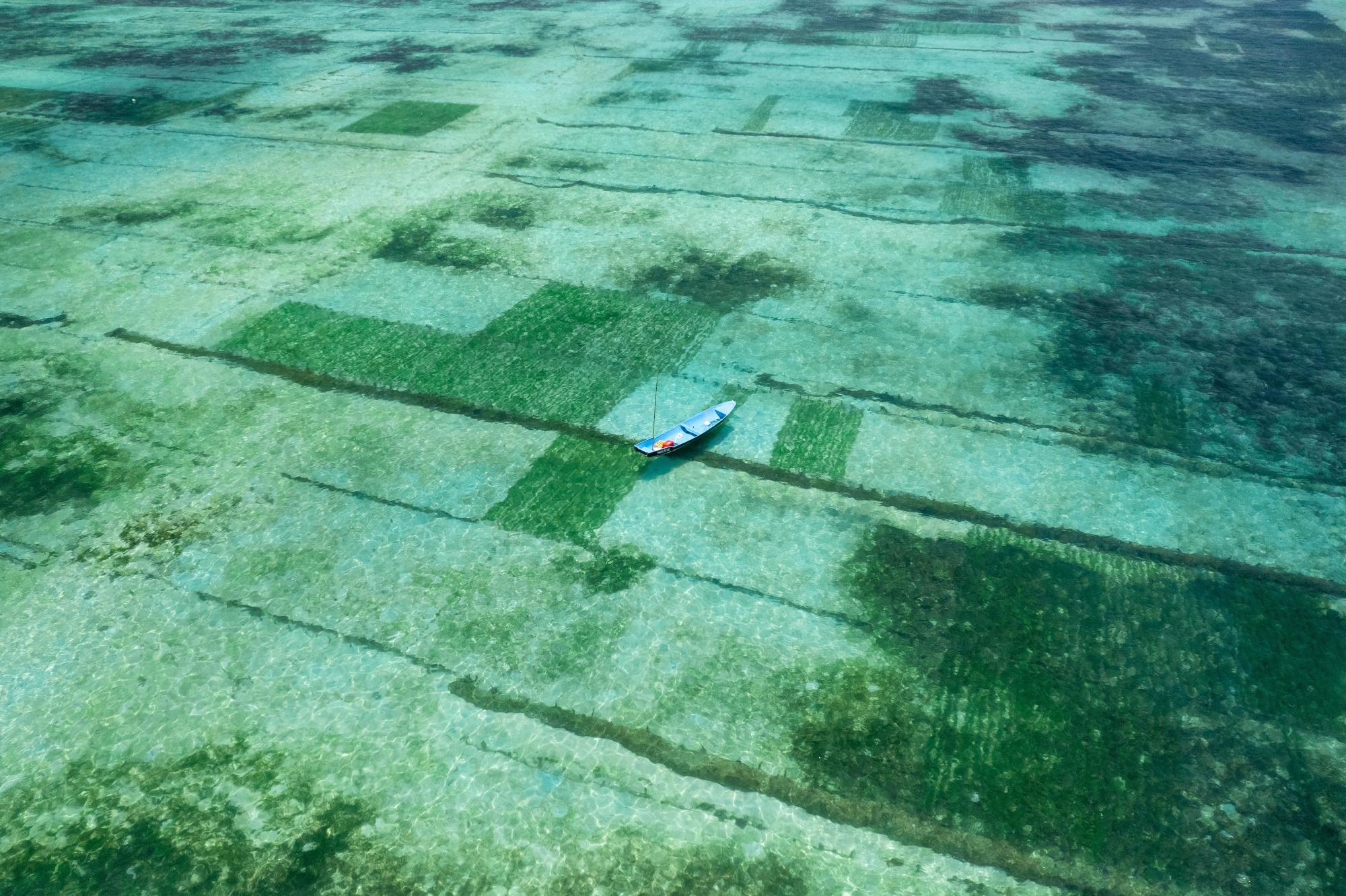
Image Credit: Peter116/Shutterstock.com
Harnessing Seaweed Farming for Climate Mitigation
Seaweed farming, also known as algae aquaculture, involves cultivating marine algae in coastal waters. Seaweeds grow rapidly and absorb carbon dioxide (CO2) during photosynthesis, converting it into organic biomass. This requires minimal freshwater and land, making it an efficient method for sustainable production and carbon capture.
As seaweed accumulates biomass, a portion of the captured carbon is transferred to marine sediments through natural processes such as decomposition and particulate export, allowing for long-term storage. Seaweed cultivation also enhances sedimentary alkalinity, which helps buffer ocean acidity and supports further carbon sequestration.
Beyond carbon capture, seaweed farms improve water quality by absorbing excess nutrients from coastal runoff and create habitats that support marine biodiversity. Their ecological co-benefits position seaweed aquaculture as a nature-based solution for climate resilience.
Want to save for later? Click here.
Mechanisms of Alkalinity Production in Marine Sediments
Researchers investigated how seaweed farming enhances alkalinity production in coastal sediments and strengthens carbon capture capacity. They employed a sediment diagenetic model that simulates interactions among the organic, inorganic, sulfur, and iron cycles beneath seaweed farms. This framework enabled a detailed representation of the complex biogeochemical processes occurring in marine sediments.
The study used a stochastic simulation approach, running the model 1,000 times to account for uncertainties in environmental parameters, including organic matter flux, bottom-water oxygen concentration, sedimentation rates, and biological mixing coefficients. This approach captured natural variability and improved the robustness of the predictions.
As organic matter deposited from seaweed biomass settles into sediments, it fuels microbial processes, including aerobic respiration and anaerobic sulfate reduction. These reactions generate alkalinity, enhancing the ocean’s capacity to store carbon in inorganic forms. By integrating real-world burial rate data from seaweed farms, researchers established a clearer quantitative link between seaweed aquaculture and long-term carbon sequestration.
Quantifying Carbon Sequestration Potential
Increased organic matter flux from seaweed farming substantially enhanced sedimentary alkalinity production. Model simulations indicate that alkalinity fluxes can rise by tens to several hundreds of µmol/cm2/year, depending on organic matter input, sediment characteristics, and oxygen availability. This increase is largely driven by intensified microbial sulfate reduction and carbonate mineral dissolution within the sediments.
The elevated alkalinity flux strengthened the ocean’s buffering capacity, enabling greater long-term storage of carbon in dissolved inorganic forms. Individual farms could remove between 0.1 and more than 2 tons of CO2 per hectare per year, depending on conditions.
At the current global scale of approximately 3.5 million hectares of seaweed cultivation, the total CDR potential ranges from 0.35 to 7 million tons of CO2 annually. If seaweed farming expanded to approximately 67.78 million hectares by 2050, the projected removal capacity could reach roughly 57.6 million tons of CO2 per year. Overall, these projections highlight the significant role seaweed aquaculture could play in climate mitigation strategies.
Socio-Economic Benefits of Seaweed Aquaculture
This research has significant implications that extend beyond carbon capture. By enhancing sedimentary alkalinity production, seaweed farming helps mitigate ocean acidification, a major threat to marine ecosystems. This resilience supports healthier coastal waters and stable marine habitats. Seaweed aquaculture also offers socio-economic benefits, creating alternative income streams for coastal communities, particularly in regions affected by declining fisheries. Harvested seaweed can be processed into high-value products such as food, pharmaceuticals, bioplastics, and biofertilizers, supporting sustainable livelihoods.
In addition, seaweed farms contribute to nutrient management by absorbing excess nitrogen and phosphorus from coastal waters. This uptake can reduce the risk of harmful algal blooms and improve overall water quality, promoting biodiversity and ecosystem balance.
Policy Implications and Future Directions
Integrating seaweed farming into carbon credit frameworks and policy could encourage broader investment and scalability. The authors emphasized the need for continued empirical validation of alkalinity production and carbon sequestration rates to refine estimates and optimize cultivation practices worldwide.
Seaweed Farming in Climate Strategies
Seaweed farming can contribute meaningfully to global carbon management strategies by enhancing alkalinity production and supporting long-term carbon sequestration. As nations pursue ambitious climate targets, integrating seaweed aquaculture into mitigation frameworks presents a key nature-based solution.
However, scaling this approach requires deeper investigation into its broader ecological effects, including impacts on marine ecosystems and global nutrient cycles. While model projections highlight substantial carbon removal potential, further empirical research is necessary to validate sequestration rates and refine predictive accuracy.
Advancing seaweed cultivation and integrating verified carbon benefits into credit markets could strengthen the sector’s viability while accelerating climate action. By combining scientific validation, policy, and innovation, seaweed farming can evolve into a resilient strategy that supports climate mitigation and sustainable coastal development.
Journal Reference
Fakhraee, M., Planavsky, N.J. (2026). Seaweed farms enhance alkalinity production and carbon capture. Commun. Sustain. 1, 1. DOI: 10.1038/s44458-025-00004-8, https://www.nature.com/articles/s44458-025-00004-8
Disclaimer: The views expressed here are those of the author expressed in their private capacity and do not necessarily represent the views of AZoM.com Limited T/A AZoNetwork the owner and operator of this website. This disclaimer forms part of the Terms and conditions of use of this website.