Researchers in the Czech Republic have reported that reclaimed post-mining lands can operate as effective, measurable carbon sinks - backed by multi-year field data and published in Engineering Proceedings - supporting the EU’s climate-neutrality target for 2050.
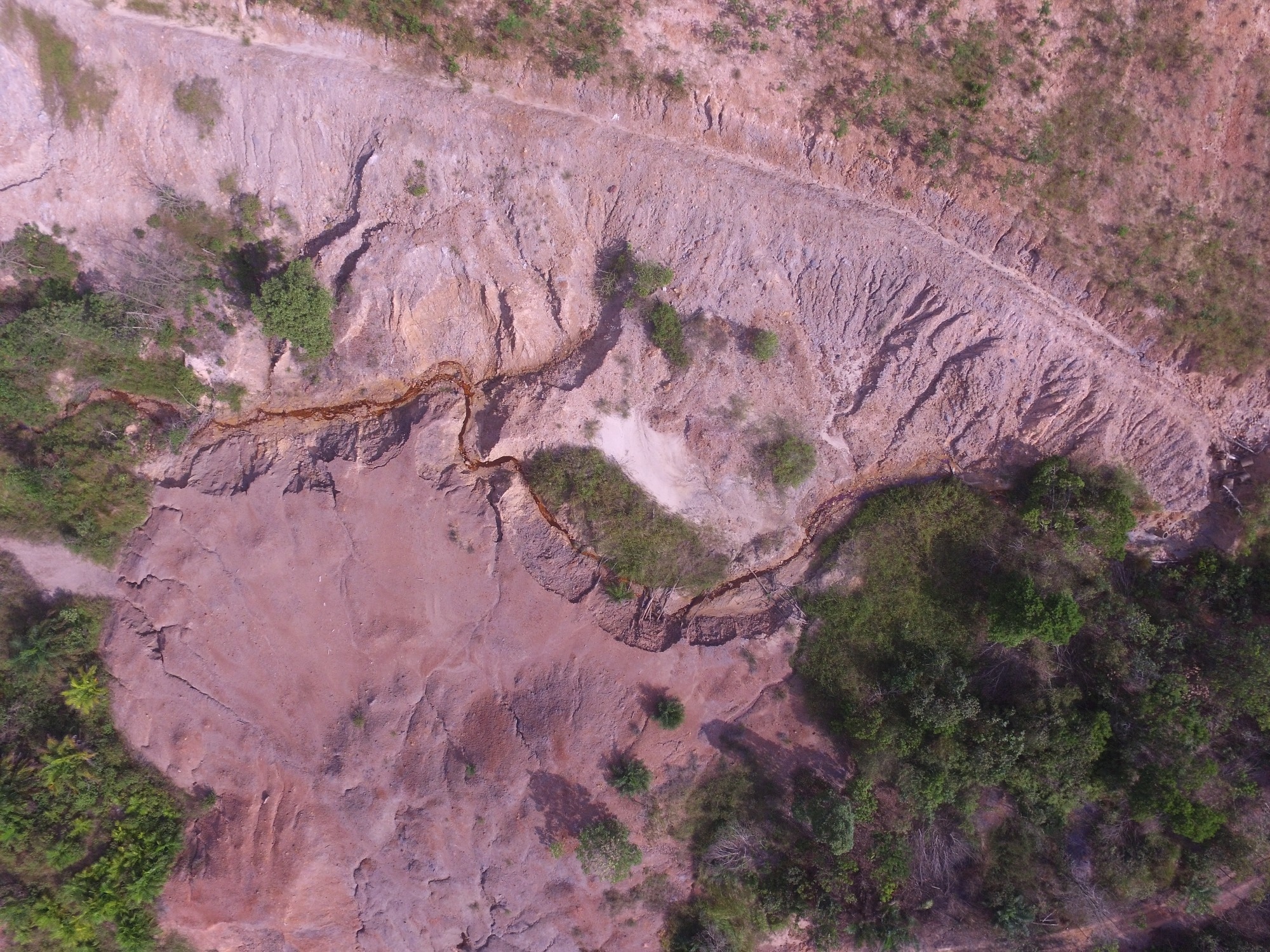
Study: Post-Mining Landscapes as Natural Carbon Sinks: Potential for Ecological Restoration. Image Credit: Dian Nugraha Perdana/Shutterstock.com
Mechanisms of Carbon Sequestration in Degraded Soils
Carbon sequestration captures and stores carbon dioxide (CO2) to mitigate climate change, either through natural processes, such as photosynthesis, or through technological measures.
Post-mining sites depend on ecological restoration to rebuild soil health and support vegetation. Although these areas often begin with depleted soils and low organic matter, adding organic matter (e.g., compost, biochar) and employing strategic planting can increase soil organic carbon (SOC) and enhance ecosystem resilience.
With the right interventions, reclaimed sites can become carbon sinks - tackling degradation and contributing to climate goals.
Research Approach: Evaluating Carbon Dynamics
The team examined brown and hard coal districts in the Czech Republic, where mining has resulted in widespread soil disturbance. They combined field experiments, long-term ecological monitoring, and meta-analysis to track CO2 sequestration over time. Soil samples from sites of different ages were analyzed to assess SOC, soil structure, and vegetation cover.
Carbon fluxes were quantified via net ecosystem exchange (NEE), and the performance of multiple reclamation techniques was compared. By contrasting younger sites with locations that had undergone decades of succession, the study linked reclamation age to carbon-storage efficiency.
Key Findings: Age and Practices Matter
Older reclaimed sites stored substantially more SOC than younger ones. Areas reclaimed for more than 30 years often exceeded 2 % SOC, while locations under 10 years typically remained below 1 %. This pattern highlights how long-term ecological processes contribute to building soil carbon stocks.
Management choices also shaped outcomes. Sites amended with organic materials (such as compost or sewage sludge) exhibited improved soil structure, higher biological activity, and greater carbon stability, with sequestration rates reaching up to 1.6 tons of carbon per hectare per year.
Afforestation and grassland establishment were both effective: grasslands tended to deliver higher early-stage sequestration, while tree planting supported longer-term accumulation. The strongest SOC gains appeared where organic amendments were paired with afforestation, ranging from 0.1 to 1.7 tons C/ha/yr.
Passive recovery helped too. In areas left to natural succession, native species such as willows and birches fostered robust carbon uptake, with NEE values around -415 g C/m²/yr, evidence that both active and passive approaches can enhance sequestration.
Applications for Policy and Economic Opportunities
Reclaimed post-mining landscapes can make a meaningful contribution to national and EU climate targets. As the EU integrates sequestration into carbon market mechanisms, these areas could qualify for financial incentives through carbon credits.
Landowners and managers who adopt carbon-farming practices - applying organic amendments, establishing grasslands, and afforesting - can increase SOC while potentially improving land value.
These sites also offer practical models for other regions confronting legacy mining impacts. Effective strategies restore ecosystem function and open pathways to economic development through emerging carbon markets.
The authors stress the importance of policy frameworks that reward verified sequestration in post-mining landscapes, including incentives and clear certification systems.
Strategies for Better Carbon Management
This study shows that reclaimed post-mining landscapes are dependable natural carbon sinks when restoration practices are well designed and monitored over time.
The results underscore the need for standardized carbon-farming protocols, enhanced monitoring methods, and rigorous evaluation of carbon credit viability in restored areas.
Collaboration among policymakers, landowners, and researchers will be key to realizing the full value of these landscapes.
While challenges remain - such as certification costs and long-term monitoring - addressing them will support ecological recovery and durable economic benefits.
Overall, the evidence indicates substantial potential for long-term carbon storage in reclaimed mining sites. By refining reclamation playbooks and strengthening carbon management practices, these environments can support climate mitigation efforts while enhancing biodiversity and ecosystem resilience.
Journal Reference
Šancer, J. et al. (2025, November). Post-Mining Landscapes as Natural Carbon Sinks: Potential for Ecological Restoration. Engineering Proceedings, 116(1), 3. DOI: 10.3390/engproc2025116003, https://www.mdpi.com/2673-4591/116/1/3
Disclaimer: The views expressed here are those of the author expressed in their private capacity and do not necessarily represent the views of AZoM.com Limited T/A AZoNetwork the owner and operator of this website. This disclaimer forms part of the Terms and conditions of use of this website.