New research reveals how patent citation networks shape innovation across the hydrogen sector. The findings highlight hydrogen distribution as a critical bottleneck slowing technological progress.
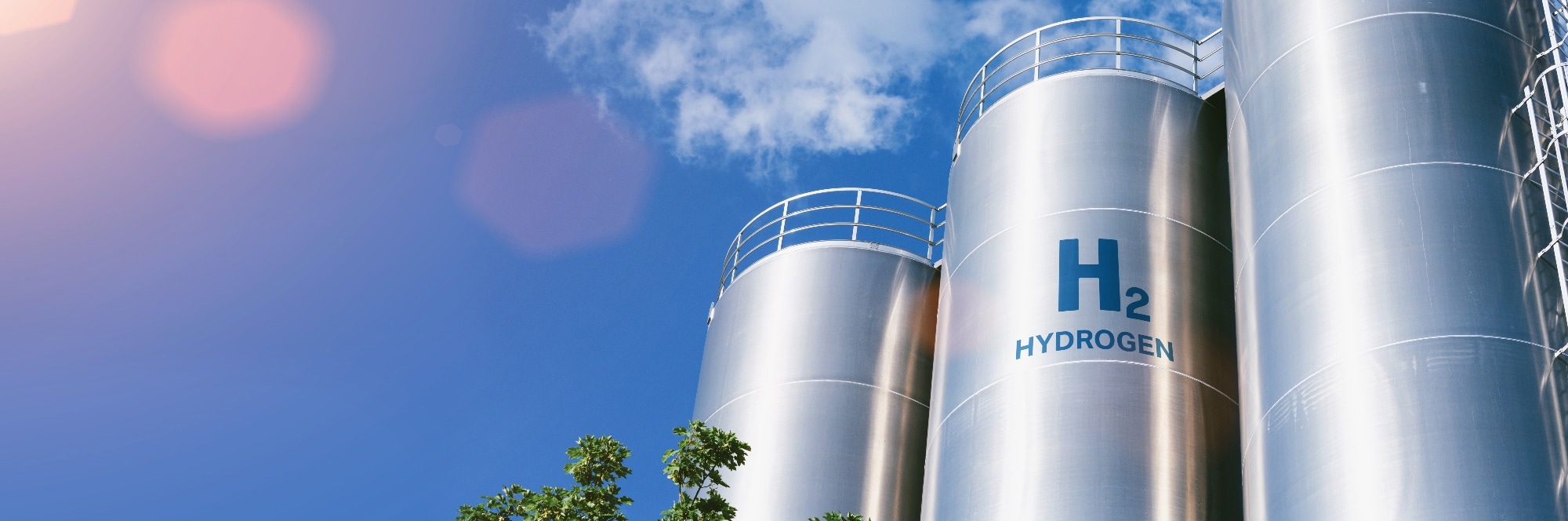
Image Credit: Audio und werbung/Shutterstock.com
A recent study published in Sustainable Futures has explored advancements in the hydrogen sector by analyzing patent citation networks. Researchers focused on how knowledge flows through these networks influences innovation rates and reveals bottlenecks, particularly in hydrogen distribution technologies.
The Role of Hydrogen Technologies in Sustainable Energy Transition
Hydrogen technology is crucial in the transition to sustainable energy systems, encompassing hydrogen production, storage, distribution, and use in fuel cells.
Each area supports the goal of reducing greenhouse gas emissions and improving energy efficiency across sectors such as transportation and power generation.
The Cooperative Patent Classification (CPC) system categorizes hydrogen technologies into these subdomains, aiding in the tracking of innovation trends. However, advancements across these areas are uneven, and challenges remain in effective cost prediction and large-scale deployment.
Advancement is influenced by engineering progress, as well as by how knowledge is created and shared. Patent citation networks reflect the flow of knowledge and innovation, shaping technological improvement rates and revealing barriers to progress.
Understanding these networks provides key insights into how hydrogen technologies can evolve effectively.
Methodological Approach: Analyzing Patent Citation Dynamics
Researchers analyzed patent citation dynamics in hydrogen technologies to identify potential bottlenecks that may slow innovation.
A relational event model (REM) was employed to examine the timing and frequency of citations, enabling a detailed assessment of how knowledge flows between patents affects technological progress.
The study utilized patent data from the Lens.org database, covering 777,695 patents issued between 1841 and 2023, with citation counts ranging from 1 to 1,660. Survival models estimated the probability of future citations based on factors such as patent age, citation network centrality, and subdomain classification. This approach linked citation behavior to technological improvement rates, revealing significant differences in knowledge generation speed across production, storage, distribution, and fuel cell technologies.
Want to save for later? Click here.
Key Findings: Identifying Bottlenecks in Hydrogen Distribution
The outcomes showed clear differences in citation rates across hydrogen technology subdomains, indicating that hydrogen distribution is a major bottleneck to innovation.
The median time to the next citation in the distribution subdomain was approximately 2.66 years, compared to about 1.21 years for the overall hydrogen domain and 1.07 to 1.74 years for other areas such as production, storage, and fuel cells. This slower pace indicates delayed knowledge flow and may increase future costs in the hydrogen value chain.
The analysis confirmed that the structure of patent citation networks strongly influences technological improvement rates. Patents with higher Katz centrality, reflecting their importance within the network, received citations more quickly and played a key role in disseminating knowledge. In contrast, older patents attracted fewer citations, indicating a gradual loss of relevance as new technological advances emerge.
Modeling the citation network as a directed acyclic graph highlighted the time-dependent nature of knowledge growth and demonstrated how existing network structures shape future innovation. These findings emphasize the need for targeted actions to strengthen innovation in bottleneck areas, particularly in hydrogen distribution. Overall, understanding citation dynamics can help policymakers and industry leaders allocate resources more effectively.
Strategic Implications for Advancing Clean Technologies
This research has significant potential for clean technology development. By linking patent citation dynamics with technological improvement rates, it provides practical guidance for investment planning and policy design in hydrogen technologies.
Identifying hydrogen distribution as a bottleneck enables targeted actions to accelerate innovation and improve system performance. Policymakers, investors, and industry stakeholders can use these insights to prioritize funding, enhance research efforts, and encourage innovation in slower-growing subdomains.
Collaboration, open standards, and knowledge sharing can further improve the flow of ideas and expedite technology development. The analytical framework can also be applied to other technology sectors to better understand knowledge growth and innovation barriers. Overall, the findings facilitate more informed decision-making and contribute to the balanced advancement of clean energy technologies.
Conclusion: Future Directions in Hydrogen Innovation
This study highlights the importance of addressing bottlenecks, especially in hydrogen distribution, to enhance the efficiency and impact of clean technology development. It shows clear differences in knowledge growth across hydrogen subdomains and illustrates how the structure of citation networks shapes technological progress.
Future work should explore the causal mechanisms underlying these citation patterns and examine how regulatory policies, market conditions, and collaboration practices influence the pace of innovation. Integrating these insights with life-cycle assessments could further support better design and deployment of hydrogen technologies.
Overall, the findings deepen our understanding of innovation dynamics in hydrogen technologies and provide valuable guidance for policymakers, researchers, and industry leaders working toward a sustainable, low-carbon energy future.
Journal Reference
Dekker, D. et al. (2025). Dynamics of knowledge production: A relational-event analysis of patent citation hazards in hydrogen technologies. Sustainable Futures, 101460(10). DOI: 10.1016/j.sftr.2025.101460, https://www.sciencedirect.com/science/article/pii/S2666188825010214
Disclaimer: The views expressed here are those of the author expressed in their private capacity and do not necessarily represent the views of AZoM.com Limited T/A AZoNetwork the owner and operator of this website. This disclaimer forms part of the Terms and conditions of use of this website.