Amid climate concerns and decarbonization efforts, the global automotive sector is transitioning from internal combustion engines (ICE) to electric propulsion. However, as the EV market expands, electric vehicles are becoming larger and heavier. This phenomenon, referred to as "mobesity" in a recent analysis by Christian Brand published in Nature Energy, presents specific challenges in resource efficiency, infrastructure capability, and road safety.1 Although electrification is a primary method for reducing tailpipe emissions, the analysis suggests that the unchecked growth in the size and weight of electric Sport Utility Vehicles (e-SUVs) and pickup trucks may limit the environmental efficacy of the transition.
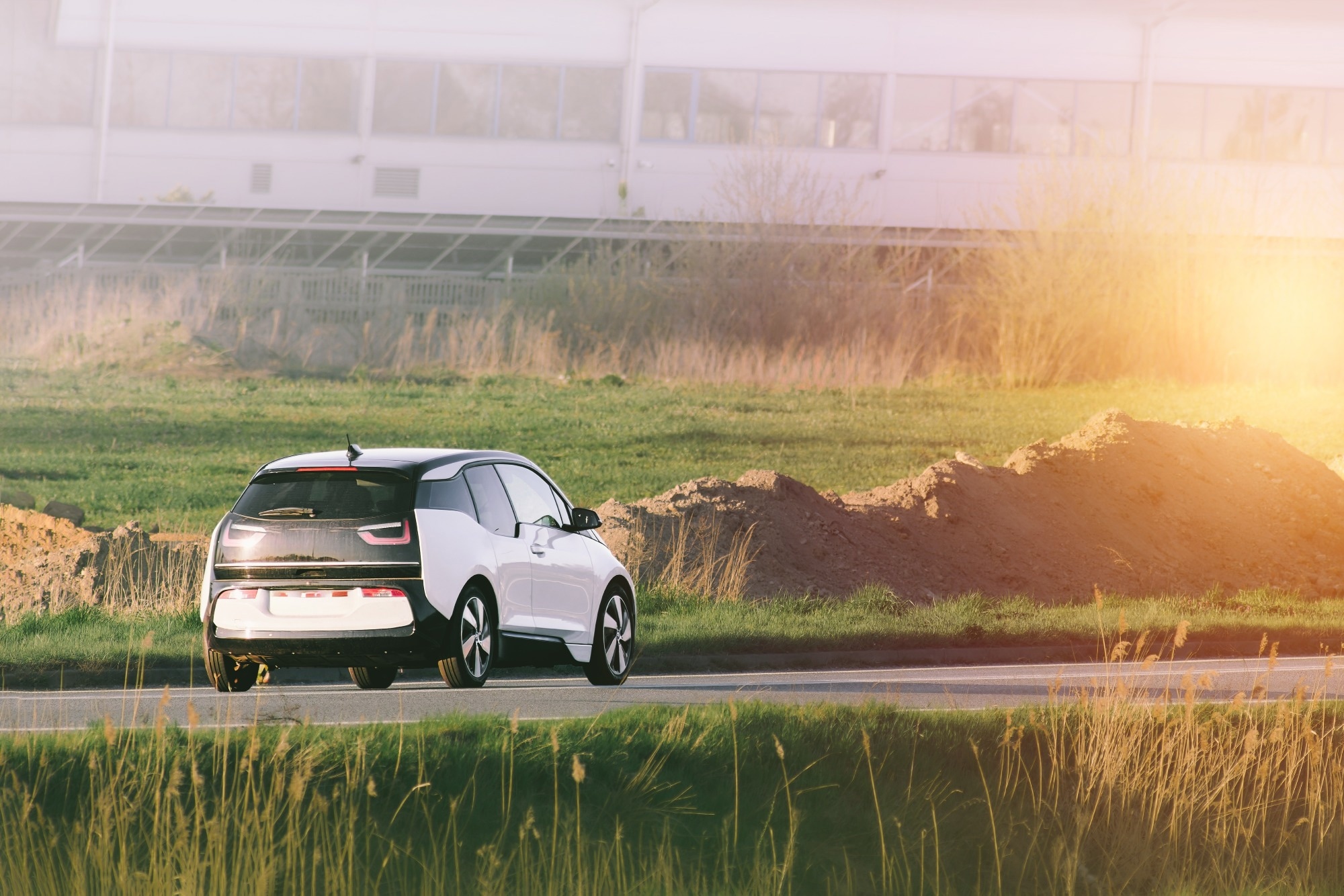
Electric SUVs account for around 35 % of all EV car sales worldwide, but at what cost? Image Credit: alexgo.photography/Shutterstock.com
Electric Vehicle Market Trends and Vehicle Mass
The adoption of electric vehicles continues to grow, with EVs representing approximately 14 % of new car sales globally in 2023. Within this expanding market, the form factor of vehicles has shifted.
Brand notes that in 2022, e-SUVs accounted for roughly 35 % of all electric passenger car sales worldwide.1 This mirrors the broader market shift away from small cars toward larger SUVs. However, size affects electric vehicles differently. In a gas car, the engine weight does not change much as the vehicle grows. In contrast, moving a heavier electric vehicle requires a much larger battery to cover the same distance, which adds considerable weight to the design. This dynamic creates a compounding effect in vehicle design.
To achieve a good driving range, a larger vehicle needs a bigger battery. The heavy battery requires a stronger frame, suspension, and brakes to carry the load. These reinforcements add even more weight, which lowers efficiency and demands an even larger battery to compensate. As a result, many electric SUVs and trucks weigh significantly more than the gas-powered models they replace.
Resource Implications and Supply Chains
A primary industrial concern regarding increased vehicle mass is the demand placed on the critical mineral supply chain. Electric vehicle batteries rely heavily on lithium, cobalt, nickel, and graphite. These materials are subject to complex extraction processes and supply constraints.
The Nature Energy analysis indicates that the shift toward larger vehicles consumes limited resources at a faster rate. For instance, a single large EV with a 200 kWh battery requires roughly the same amount of critical minerals as four smaller EVs with 50 kWh batteries. In a market where battery supplies are tight, choosing to build one large vehicle effectively prevents the production of several smaller, more efficient ones.1
Click here to download a free PDF copy of this page
This distribution of resources affects how quickly emissions can be reduced. If scarce minerals are concentrated in a small number of large vehicles, fewer gas-powered cars are taken off the road compared to spreading those resources across a fleet of smaller-sized cars.
The International Energy Agency (IEA) notes that meeting 2050 climate goals already requires a significant increase in mineral supplies.2 Increasing the average battery size adds further strain to these supply chains, which could drive up costs and limit availability.
Infrastructure and Non-Exhaust Emissions
A heavier vehicle fleet creates challenges for existing infrastructure. Many bridges, parking garages, and guardrails were designed for the lighter cars of the mid-20th century. With some EVs now weighing between 2500 and 3000 kg, public infrastructure may require safety assessments or upgrades to handle the increased load.1
While EVs eliminate tailpipe exhaust, they still generate other forms of pollution. Heavier vehicles place more pressure and friction on the road, which increases tire wear and creates microplastics. Brand suggests that if vehicle weights continue to rise, the air quality benefits gained from removing the tailpipe could be partly offset by increased dust and particles from tires.1
Market Drivers and Consumer Choice
The shift toward larger EVs stems from both manufacturer strategy and consumer demand. Automakers typically earn higher profits on SUVs and trucks, leading them to prioritize these models in production and marketing.
The analysis points to a limited supply of smaller EV options. With manufacturers focusing on large, premium models, buyers seeking compact cars find few choices. This market landscape often leaves consumers with little option but to purchase vehicles that are larger than what they need for daily use.1
"Range anxiety" - the fear of running out of power - also shapes these decisions. Buyers often select vehicles with larger batteries to handle rare long-distance trips, even if their daily commute is short. This results in the vehicle carrying significant excess weight during most drives.
Potential Policy Responses
The article suggests that the “mobesity” trend is not inevitable but is influenced by current regulatory frameworks. Brand outlines several policy approaches that could encourage a market shift toward efficiency:
- Weight-Based Taxation: Implementing vehicle registration taxes that scale with weight could help account for the costs associated with road wear and resource consumption. This would create a financial incentive for consumers to choose lighter vehicles.
- Efficiency-Linked Incentives: Government subsidies and incentives could be revised to target vehicles based on energy efficiency (kWh per 100 km) rather than applying flat rates to all electric vehicles. This would encourage automakers to prioritize aerodynamics and lightweight materials alongside electrification.1
- Urban Access Regulations: Local authorities could consider parking fees or access restrictions based on vehicle dimensions and weight. This would manage the impact of large vehicles in dense urban areas where space is limited.
- Supply Chain Transparency: Regulations mandating "battery passports" could track the carbon footprint and material origin of batteries, providing transparency regarding the resource intensity of different vehicle models.
Conclusion
The transition to electric mobility is critical for achieving global climate goals. However, the data indicates that the physical size of the evolving fleet matters significantly. The trend toward larger, heavier electric vehicles presents specific trade-offs regarding resource allocation and infrastructure durability.
Addressing "mobesity" requires a focus on vehicle efficiency in addition to propulsion type. By promoting the adoption of "right-sized" vehicles that balance range requirements with resource consumption, the automotive sector can optimize the environmental benefits of electrification.
The analysis by Brand suggests that for the EV transition to be fully effective, industry strategies and policy frameworks may need to account for vehicle mass as a key metric of sustainability.
References and Further Reading
- Brand, C. (2024). Confronting mobesity is vital for the global electrification of transport. Nature Energy, 9, 909–912. https://doi.org/10.1038/s41560-024-01559-x
- International Energy Agency. (2024). Global EV Outlook 2024: Moving towards a massive market. https://www.iea.org/reports/global-ev-outlook-2024
Disclaimer: The views expressed here are those of the author expressed in their private capacity and do not necessarily represent the views of AZoM.com Limited T/A AZoNetwork the owner and operator of this website. This disclaimer forms part of the Terms and conditions of use of this website.