The global electronics recycling market is set to grow rapidly over the next decade, yet an expert at sustainability pioneer In2tec warns many manufacturers are still blind to the benefits of circular technology.
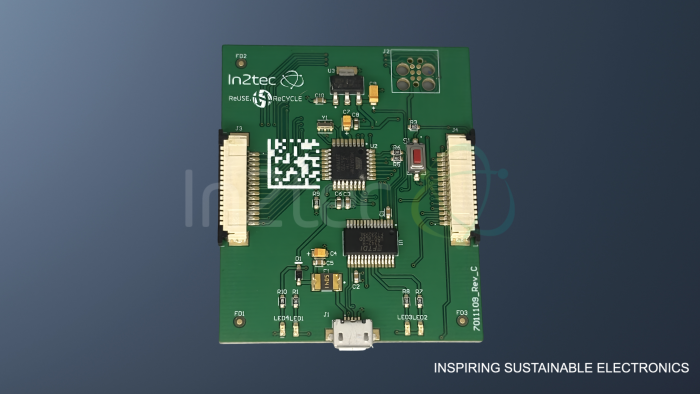 Image Credit: In2tec
The global sector is valued at $43.2 billion in 2025 and is expected to reach $147.9 billion by 2035, according to the Electronics Recycling Market Forecast and Outlook 2025 to 2035 from FACT.MR – and the rise is being driven by a surge in environmental legislation, rising precious metal recovery demand, and consumer electronics replacement cycles.
According to the authors, geopolitical upheaval to supply chains, such as the ongoing Russian invasion of Ukraine and the conflict between the US, Israel, and Iran, are also accelerating adoption.
Emma Armstrong, Sustainable Electronics Ambassador and Group Commercial Director at In2tec, said: “Material scarcity, tariffs, embargoes, and the instability of major sea routes like the Strait of Hormuz are devastating the electronics industry, but there is a positive aspect to the gloom.
“Component reuse has become an important strategic issue as it allows the tech sector to reduce its reliance on volatile international supply chains and the fluctuating cost of materials and components, such as the current eye-watering price of memory.
“The economic benefits of recyclable, repairable, and modular technology are becoming increasingly pronounced – to say nothing of the environmental benefits – yet too many companies are forging ahead with throwaway disposable tech products that waste resources. Frankly, it’s baffling when alternatives already exist.”
The document also notes that the UK is emphasising resource security and recycling system innovation and that revenue from electronics recycling in the UK is expanding at 11.2 % CAGR (compound annual growth rate).
It adds that growing consumer awareness of environmental issues, a post-Brexit focus on domestic resource security, and reduced import dependence following supply chain disruptions are driving responsible disposal.
“This is not surprising to us at all,” Emma adds. “British companies involved in tech that ignore vulnerable supply chains and their customers’ fears about the health and environmental impact of ewaste do so at their own peril. It can all seem a bit overwhelming, but adopting renewable technology is far easier and more cost-effective than many executives realize.”
In2tec aims to slash the environmental and societal impact of ewaste and provide innovative solutions to the growing problem of throwaway electronics.
The company’s signature ReUSE® and ReCYCLE™ are alternatives that comprise a closed-loop process, allowing manufacturers to remove components from existing electronics at the end of their useful life or for repair and reuse them. RAM and other memory chips, for example, include metals such as lead and other restricted substances that are difficult to dispose of, as well as reclaimable materials like copper.
ReUSE® is a series of materials, processes and design principles used to manufacture printed circuit board assemblies (PCBAs), while ReCYCLE™ is the ultra-low energy process for unzipping PCBAs – the foundation of nearly all technology – to the original bill of materials (BoM).
The technology’s versatility allows global commercialization and a vast reduction in the overall energy used to manufacture and process when it reaches its end of life, something that is impossible when using conventional PCBA processes or materials.