London St. Pancras Highspeed's direct emissions have fallen by around one-third since 2019-20, according to its latest Impact Report. The reduction reflects a combination of UK grid decarbonization and energy efficiency improvements across the railway, from major traction power efficiency projects to targeted heating and lighting upgrades at stations and depots. The business also sources zero-carbon electricity through Corporate Power Purchase Agreements linked to UK renewable energy projects, accounting for 42% of electricity consumed across railway and station operations during the reporting year, with an ambition to increase this to 80% by 2030.
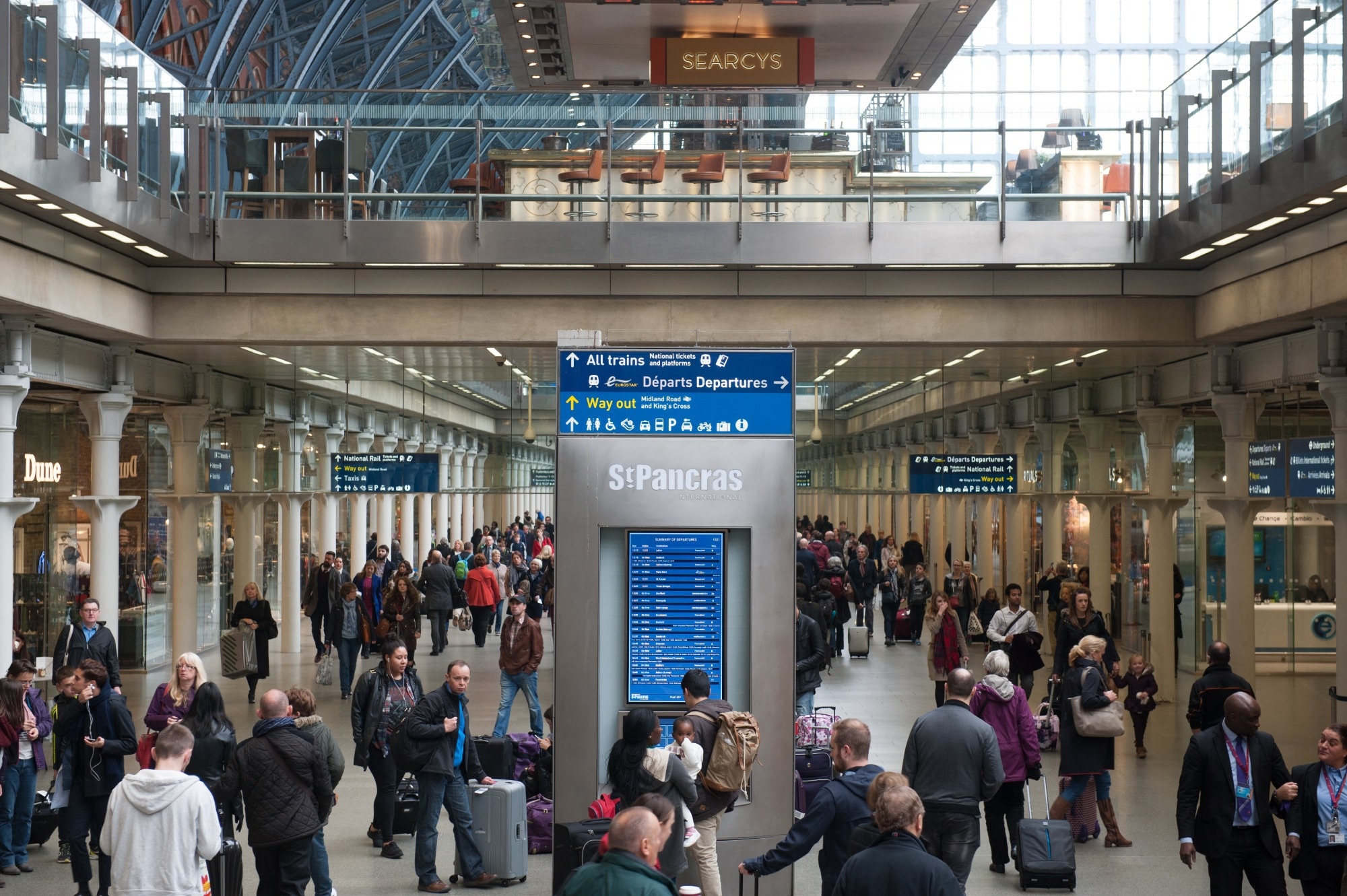 Image Credit: London St. Pancras Highspeed
The report comes as the business progresses plans to significantly expand international rail capacity at St. Pancras International to support lower carbon travel between the UK and Europe. Continued investment in infrastructure and capacity could enable more passengers to choose rail over aviation as connectivity between the UK and Europe improves. Plans to increase international passenger capacity at St. Pancras International from 2,000 to 5,000 passengers per hour would support additional services, new destinations and greater competition. Higher passenger volumes would also improve the carbon efficiency of the rail system by spreading emissions across a greater number of journeys.
Beyond environmental performance, the report highlights a strong year of social value delivery. Through investments in community partnerships, education programs and skills initiatives, London St. Pancras Highspeed continues to create positive outcomes for local communities. This includes its partnership with Rail Safe Friendly, which has reached nearly 150 schools and more than 80,000 young people over the past two years, helping to raise awareness of the dangers of railway trespass in communities along the high-speed route.
The full report highlights progress across all of London St. Pancras Highspeed's sustainability priorities, including resource use, waste management, biodiversity enhancement and health and safety. It also offers a glimpse of the organization's new sustainability strategy, which has been developed to ensure its objectives remain relevant, ambitious and achievable as activity on the network continues to grow.
Robert Sinclair, CEO of London St. Pancras Highspeed said:
“Sustainability remains central to how we operate and invest for the future. This report shows the tangible progress we have made in reducing emissions across our operations, while underlining the much bigger opportunity to enable lower-carbon travel at scale.
“Through better use of existing infrastructure, increased capacity, enhanced connectivity and closer collaboration with partners, we are making rail more accessible and strengthening its role as the first choice for journeys between the UK and Europe.”