Uganda could sharply cut methane emissions while turning its growing organic waste problem into a source of food, fertilizer and energy, according to new research.
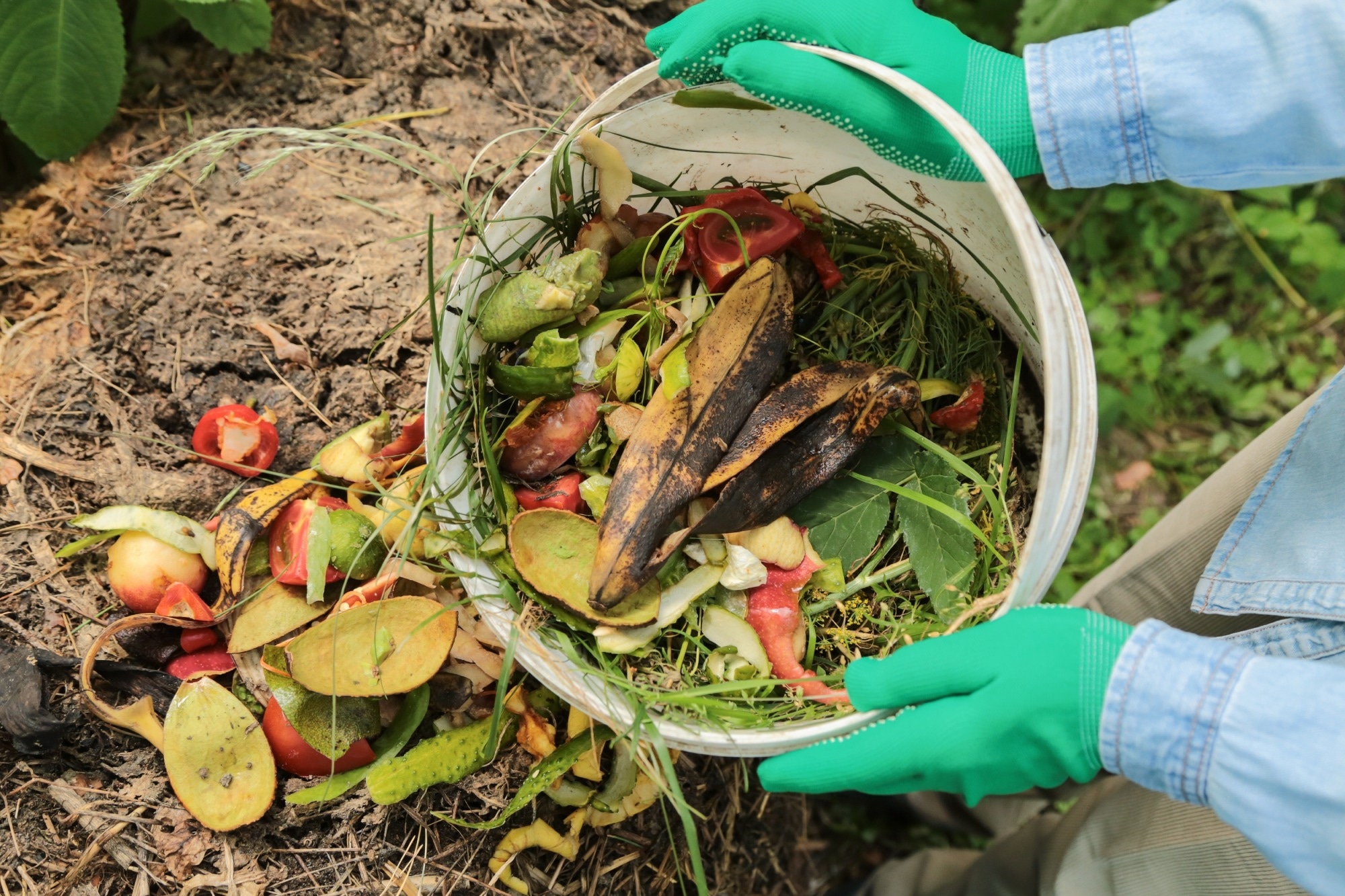
Study: Organic waste management reveals methane reduction opportunities in Uganda. Image Credit: Viktor Sergeevich/Shutterstock.com
By combining national waste modelling with input from communities, government and industry, the study identifies practical strategies, including composting, biogas production and Black Soldier Fly treatment, that could curb emissions while supporting agriculture, energy access and climate resilience.
Addressing Uganda’s Organic Waste Challenge
Uganda’s waste-management system faces growing pressure as the population and urban areas expand.
Waste generation continues to rise, while collection services remain limited, especially in rural communities. Uncollected waste builds up in open areas and becomes subject to uncontrolled burning. Organic waste makes up the largest share of municipal solid waste and produces methane when it breaks down without oxygen.
The study examines how Uganda can reduce these emissions through better organic waste management. The researchers looked beyond methane reduction and considered how waste treatment could support agriculture, energy access and local communities. Compost, biogas and animal feed could turn organic waste into useful resources while reducing its climate impact.
The research also addresses a gap in waste-management planning. Approaches developed for high-income countries may not suit Uganda because the country has different waste streams, infrastructure, funding levels and local needs. The researchers therefore involved government agencies, local authorities, communities, civil society, researchers and private companies in developing practical waste-management options. The study provides a practical framework for developing a waste system that can reduce emissions while creating wider social and economic benefits.
Want to save for later? Click here.
Combining Stakeholder Input with Waste Modeling
The researchers combined stakeholder input with policy analysis and waste-sector modeling. They began by identifying key groups involved in waste management. An initial workshop helped define the main challenges and priorities. Two further workshops and a community group helped develop practical solutions for Uganda’s organic waste sector.
Participants identified several important measures. These included separating waste at its source, expanding composting and biogas production, developing local treatment facilities, improving funding, and building stronger technical capacity. The study also highlighted the need for stronger coordination among government agencies and other stakeholders.
The researchers then adapted the Greenhouse gas and Air Pollution Interactions and Synergies (GAINS) model to assess Uganda’s waste sector. The model estimated waste generation, waste composition, and methane emissions across the country. The researchers used 2020 as the baseline and examined changes from 2005 to 2050.
The model included fourteen waste-management technologies, and the researchers also added Black Soldier Fly treatment to assess its potential for organic waste. They developed five scenarios to compare different levels of waste management and methane reduction. The scenarios considered organic waste diversion, sanitary landfills, food-waste prevention, and resource recovery. The team also calculated the amount of compost, biogas, and animal feed that each pathway could produce.
This combined approach allowed the team to assess both environmental and practical outcomes. It showed how different waste strategies could reduce methane while also providing useful products for agriculture, energy and local communities.
Reducing Methane Through Better Organic Waste Management
The results identified organic waste as the main source of methane from Uganda’s municipal waste sector. Food and garden waste made up about 75% of municipal solid waste in 2020 and produced around 85% of the sector's methane emissions.
Under the existing-measures scenario, methane emissions could increase by 13% in 2035 and 7% in 2050 compared with the reference scenario. These results show that simply improving waste collection will not be enough. Uganda also needs to treat organic waste before it reaches disposal sites. The additional-measures scenario could reduce methane emissions by 30% in 2035 and 52% in 2050. This could avoid about 0.9 million tonnes of CO2-equivalent methane emissions each year by 2035 and 2.1 million tonnes by 2050.
The different treatment pathways also offered opportunities to recover useful resources. Composting can return organic matter to agricultural soils, while anaerobic digestion can produce biogas for cooking and energy. Black Soldier Fly treatment can generate animal feed and organic fertilizer. Under the most diversified scenario, biogas production could support approximately 628,000 meals annually by 2035, while Black Soldier Fly treatment could produce around 122 kilotonnes of animal-feed protein in the same year.
Building a More Circular Waste System
The study shows that Uganda can reduce methane emissions by diverting organic waste from dumpsites and landfills. Composting, anaerobic digestion, and Black Soldier Fly treatment can process organic waste while producing useful resources. Preventing food waste can further reduce the volume requiring treatment and lower emissions at the source.
The findings also highlight the value of local and decentralized waste systems. Small-scale treatment facilities could reduce the need to transport waste over long distances. They could also help communities produce compost, biogas and other resources closer to where they are needed. Scaling these approaches will require greater investment in treatment facilities, waste separation and institutional coordination.
The researchers also identify areas for further study, such as limited waste data in some regions, which makes it difficult to estimate local waste flows accurately. Detailed cost-benefit assessments are also needed to compare treatment options. Overall, the research shows that better organic waste management can deliver benefits beyond methane reduction. It can recover valuable resources, support agriculture and energy access, create local economic opportunities, and strengthen climate resilience.
Journal Reference
Gómez-Sanabria, A., Okello, G., et al. (2026). Organic waste management reveals methane reduction opportunities in Uganda. Communications Sustainability, 1(1), 131. DOI: 10.1038/s44458-026-00127-6, https://www.nature.com/articles/s44458-026-00127-6
Disclaimer: The views expressed here are those of the author expressed in their private capacity and do not necessarily represent the views of AZoM.com Limited T/A AZoNetwork the owner and operator of this website. This disclaimer forms part of the Terms and conditions of use of this website.