A team of scientists led by the Nagoya Institute of Technology in Japan has developed a rapid new way to recycle PFAS, recovering valuable fluorine from so-called ‘forever chemicals’ for use in medicines, electronics and refrigeration technologies.
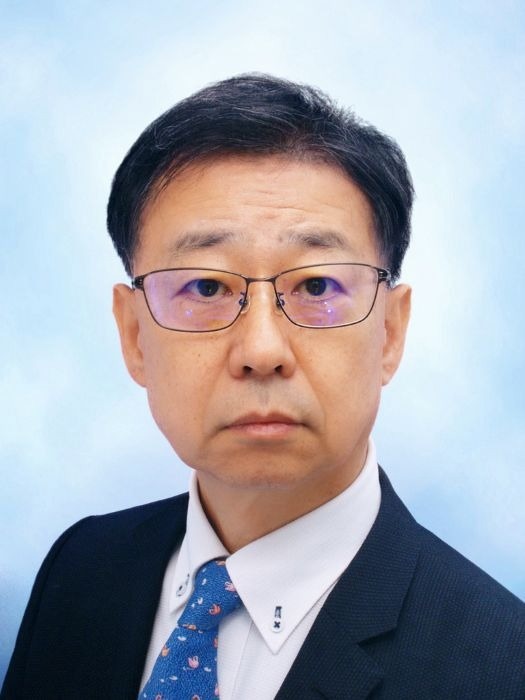 Professor Norio Shibata. Image Credit: Royal Society of Chemistry
The award-winning approach, which has won the Royal Society of Chemistry's Organic Chemistry Horizon Prize 2026, uses spinning metal balls to break down PFAS waste and recover fluorine in just 10 minutes under room-temperature conditions, recovering around 95% of the fluorine contained within these chemical compounds.
Rather than treating PFAS solely as a pollution problem, the technology transforms them into a valuable chemical resource that can be reused by industry.
The work was carried out by the Fluorine Circularity Team, an international collaboration led by former Nagoya Institute of Technology professor Norio Shibata. Alongside researchers and students in Japan, the project was supported by collaborators including Jorge Escorihuela, Senior Lecturer at the University of Valencia.
Norio Shibata, who led the group at the Nagoya Institute of Technology, said: “PFAS are often called 'forever chemicals' because they are extremely resistant to degrading in the natural environment. Our ambition was to use this quality to our advantage by creating a technology that allows us to continuously recover, recycle and reuse these materials as valuable chemical resources.
“Instead of treating PFAS only as waste, we have shown that they can become a source of fluorine for future chemical products. We are deeply honored to receive this recognition from the Royal Society of Chemistry and especially pleased to celebrate the students and researchers whose creativity helped make this work possible.”
PFAS, or per- and polyfluoroalkyl substances, are a family of thousands of synthetic chemicals used in a wide range of products because of their durability and resistance to heat, water and grease. Those same properties mean they can persist in the environment for extremely long periods, earning them the nickname ‘forever chemicals’.
The cost of cleaning up PFAS pollution across the UK and Europe is estimated to total in excess of £1.6 trillion over a 20-year period, according to the Forever Lobbying Project, with current guidance suggesting these chemicals can be destroyed by burning them at extremely high temperatures or using solvents, which risks releasing further toxic chemicals into the atmosphere.
The Fluorine Circularity Team's solution uses mechanochemistry, a process that relies on mechanical force rather than solvents or high temperatures. By milling PFAS materials with rapidly spinning metal balls, the team can recover fluorine from compounds including PTFE and PVDF and convert it into useful chemical building blocks.
The researchers believe the approach could help industries reduce waste, reuse existing fluorine resources and support more circular approaches to chemical manufacturing.
Unlike many conventional PFAS treatment approaches, the team's technology operates under relatively mild conditions at room temperature and without solvents. The researchers are now exploring opportunities to commercialise the process with industry partners.
Leanne Marle, science awards and grants manager at the Royal Society of Chemistry, said: “This work takes a completely different approach to the challenge of PFAS. Rather than focusing solely on how to dispose of these materials, the team has shown how chemistry can recover something useful from them.”